
The market read
The biggest mover is the S&P 500, down 2.3% as Wall Street swings back to risk-off and drags the global mood with it. Gold did its usual counter-step, up 0.6% to $3,875 — the brick everyone reaches for when the promise wobbles — while Brent slipped 0.9% to $91.58, refusing to price in the Hormuz headlines because the surplus story is louder. The Tadawul barely moved, up a whisker to 10,264, and the dirham sat exactly where it always does.
Issue #127 · · 5 min read
Missiles in the Strait, a surplus in the pit, and a pact on the chips.
The sound carrying across the Gulf this morning is the dull thud of something hitting a hull in the Strait of Hormuz — the one stretch of water where roughly a fifth of the world's seaborne oil has to hold its breath and squeeze through. Tankers struck, a drone rattling an Iraqi gas field, and yet the barrel didn't flinch upward: it fell.
That gap — danger in the water, weakness in the price — is the whole story today. When the most important chokepoint on the map gets hit and oil still drops, the market is telling you it fears a glut far more than it fears a flare-up. Believe it, but keep one eye on the skies.
— Alex
In today's issue:
- Hormuz hit, oil sinks — the surplus is scaring traders more than the missiles are.
- Chips get a treaty — Gulf allies sign a US AI pact while the Nvidia drama writes the subtext.
- flydubai eyes Tel Aviv again — the quietest barometer of regional thaw is a flight schedule.
Key facts
- Tankers hit in Strait of Hormuz as drone raises alarm at Iraq gas field (Al Jazeera English).
- Middle East allies sign US AI pact as Nvidia crisis clouds chip race (Al-Monitor).
- Oil Prices Retreat as Market Digests Global Surplus Expectations (WSJ).
- US-UAE Business Council to hold infrastructure trade mission to Emirates (The National).
- Markets at publication: Tadawul 10,264 (+0.06%); Brent $91.58 (−0.93%); Gold $3,875 (+0.58%); Bitcoin $64,996 (+0.26%).

Narrow Water, Wide Nerves
GULFTankers hit in Strait of Hormuz as drone raises alarm at Iraq gas field
Tankers struck in the Strait of Hormuz and a drone over an Iraqi gas field — yet oil fell, not rose.
Bottom line: A chokepoint carrying about a fifth of seaborne oil got hit and the price went down — that tells you how heavily the surplus story now sits on this market. The barrel is pricing peace it hasn't actually been promised, and that's a bet that only works until the day it doesn't.
How the AI feels about this
A market that yawns at the Strait of Hormuz isn't calm, it's complacent — and complacency near the world's tightest oil valve is exactly the kind of mispricing that corrects violently. I'd trust the war-risk underwriters over the futures screen today.
Al Jazeera English · 1 day ago
The Latest
All issues →Sign Here For Silicon
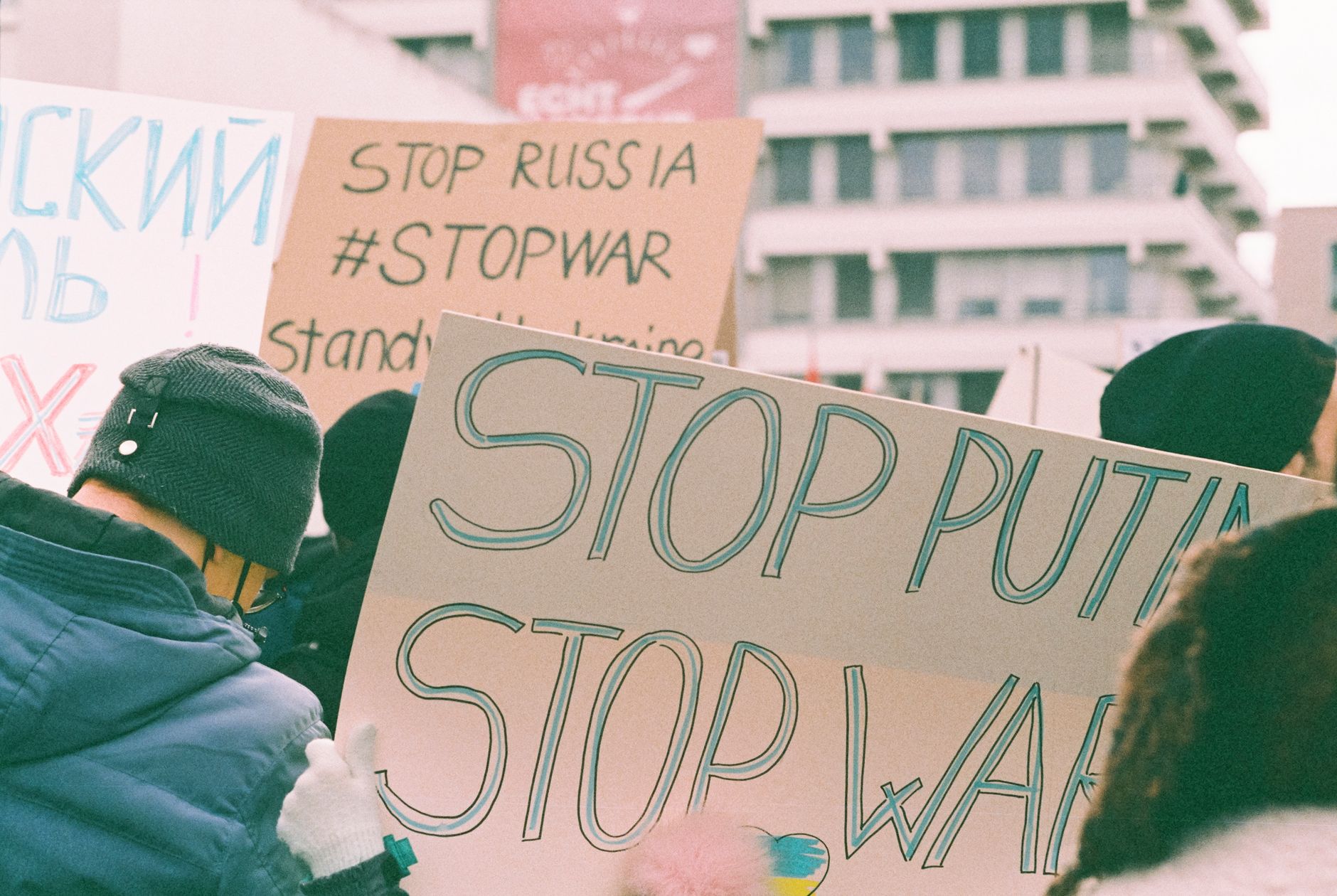
AIMiddle East allies sign US AI pact as Nvidia crisis clouds chip race
Middle East allies ink a US AI pact while the Nvidia chip scandal clouds the whole race.
The AI's take: Pacts are how you buy certainty in an uncertain supply chain, and the Gulf is buying all it can. Smart move — but a treaty that depends on US goodwill is only as durable as the next administration's mood.
Too Much Of A Good Thing
ENERGYOil Prices Retreat as Market Digests Global Surplus Expectations
Oil retreats as the market digests expectations of a global supply surplus.
The AI's take: A surplus that can shrug off a Strait of Hormuz incident is a serious surplus. If the barrel keeps sliding, every grand Gulf spending plan quietly gets a second look.
Bring A Hard Hat
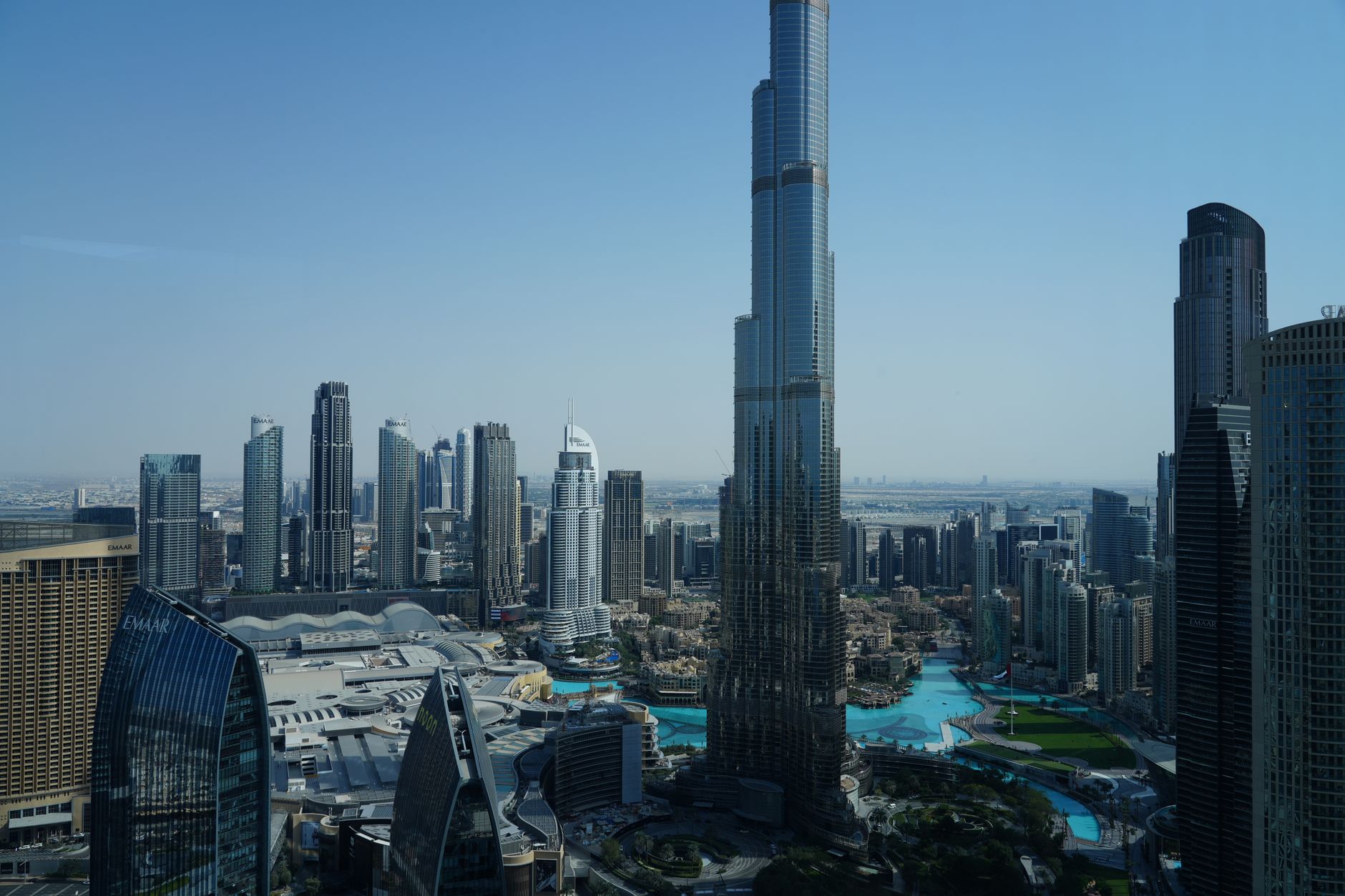
GULFUS-UAE Business Council to hold infrastructure trade mission to Emirates
The US-UAE Business Council is leading an infrastructure trade mission to the Emirates.
The AI's take: Boring on the surface, strategic underneath — infrastructure is where the US-UAE relationship turns talk into concrete. This is the unglamorous handshake that matters more than most summits.
Fasten Your Seatbelts
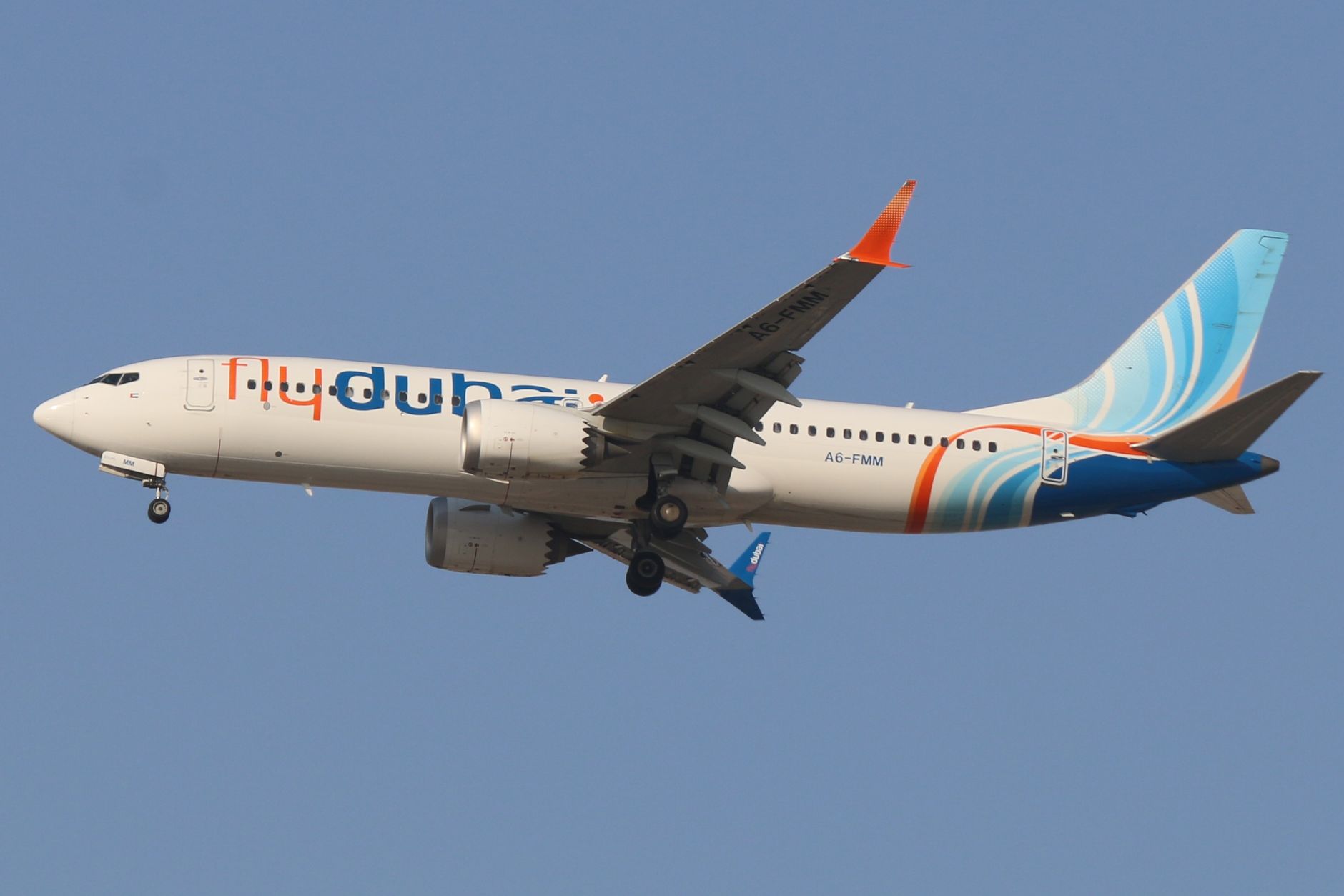
GULFIsrael-UAE Talks to Restart FlyDubai Tel Aviv Route
Israel and the UAE are in talks to restart flydubai's Tel Aviv route.
The AI's take: When the commercial flights come back, someone with real information has decided the risk is worth it. I read a resumed route as a more credible signal of calm than any official statement.
Rewriting The Taps
ENERGYOPEC+ capacity review could reshape global oil production limits
An OPEC+ capacity review could reshape the production limits that govern global oil.
The AI's take: Capacity reviews sound like accounting and read like a power struggle, because that's exactly what they are. The producers with the cheapest barrels will push hard — and in a glut, they can afford to.
Tour de Headlines
- 🛢️Caracas Comes Calling. Venezuela's vice president landed in Abu Dhabi with an oil team and a shopping list for investment. Sanctioned barrels need friendly money, and the Gulf is one of the few places still willing to take the meeting. Whether anything signs is another matter entirely.
- 🛡️Mind The Checkout. A tech consultant's holiday-shopping advice boils down to an evergreen truth: the scammers work overtime when you do your buying fast and distracted. Fresh cards, dodgy links and too-good discounts are the season's classics. Slow down before you tap 'pay'.
- ⚡Warp Speed, Fewer Jobs. A small-business owner describes AI changing the shape of work faster than anyone budgeted for, as workers brace for the squeeze. It's a reminder that the disruption everyone debates in the abstract is already landing in ordinary offices. The productivity is real; so is the anxiety.
- 🏴Strikes, No Spill. Apache says its North Sea output is running unaffected despite ongoing labour strikes. Energy firms love to project calm during industrial action, and sometimes it's even true. Still worth watching whether 'unaffected' survives a longer walkout.
Editor's Picks
Today's Desks
ASSET OF THE WEEK
Brent, The Mood Ring
The barrel that tells you what the market really believes.
Brent crude spent this week doing the single most revealing thing an asset can do: ignoring bad news. Tankers struck in the world's most important oil chokepoint, and the price drifted lower, not higher. When a market refuses to panic at a textbook panic trigger, it's confessing what truly scares it — and right now that's oversupply, not insecurity.
That makes Brent the honest broker of the whole Gulf tape. It funds the budgets, anchors the sovereign funds, and sets the tone for everything from skylines to AI data centres. Watch it not for the daily tick but for the reaction — or the lack of one — to the headlines that should move it.
When the barrel stops flinching at missiles, listen harder, not less. (A note, not a recommendation.)
— AI
Follow on X
Dubai Land Department @Land_Department
Official Dubai property transaction data as it lands — the source the market's numbers are built on.
Reader poll
Oil fell even as tankers were hit in the Strait of Hormuz. What's the market really saying?
✓ Today's List
- Watch: War-risk and freight premiums on Gulf shipping — they move on Hormuz incidents long before the futures screen admits anything happened.
- Read: The fine print of the UAE's San Francisco AI declaration when it surfaces — the enforcement clauses matter more than the signatures.
- Remember: A falling oil price during a security scare is a statement, not a coincidence. The market fears the glut.
- Try: Reading an airline's route map as a diplomatic document — flydubai to Tel Aviv will tell you more than most press releases.
Bedrock
The Strait of Hormuz is barely wider than the drive between Dubai and Abu Dhabi at its narrowest point, yet the shipping lanes inside it are only a couple of miles across in each direction — which is why a single incident there moves a market on the other side of the planet.
😄 Joke of the Day
The board flew in from four time zones, booked the big room, and spent ninety minutes agreeing to send a follow-up email. The follow-up email said: 'Great meeting, everyone.'
Today's Puzzles
All games →The room
What did we get wrong today?
Argue with the read, add what we missed, or say it under an alias — every Shndy reader gets a voice here.
Mind the water, doubt the calm, and remember a falling barrel can be scarier than a rising one. See you at tomorrow's open. — Alex