The market read
The S&P 500's 1.9% leap left everything else on the board looking sleepy, and nowhere was the gap starker than against gold, which slipped 1.4% in the very same session — risk-on and safe-haven trading their usual places. Brent barely twitched at $92.50 and Bitcoin held near $73,669, while the Tadawul added a quiet 0.6%. When equities sprint and bullion retreats together, it's the oldest signal in the book: fear taking the morning off.
Issue #121 · · 5 min read
Wall Street stops bowing and starts bargaining with Gulf money.
Strip the polish off the phrase "sovereign wealth fund" and you're left with a government's savings account roughly the size of a mid-sized country's economy — and this morning the story is about who gets to sit on the other side of the table from the Gulf's. For years the answer was: whoever flattered best.
That posture is shifting. The wires describe Wall Street quietly abandoning the role of courtier — the banker who shows up with a pitch deck and a smile — for something closer to partner, co-investing alongside the region's state money rather than merely fetching it deals. When the bell rings in New York these days, an unusual share of the volume on the other end traces back to a handful of funds in Riyadh and Abu Dhabi.
— Alex
In today's issue:
- UAE stocks printed a Dh31 billion up-day — a reminder that the region's indices can still sprint.
- OpenAI cracked $10 billion in revenue and still bled money; growth isn't the same as profit.
- Poland told QatarEnergy the LNG deal is off — the first real crack in a marquee Qatari contract.
Key facts
- Wall Street shifts from courtier to partner of Gulf sovereign wealth (Arabian Gulf Business Insight | AGBI).
- OpenAI posts steep losses even as quarterly revenue rises to $10 billion, WSJ reports (Reuters).
- UAE stocks add Dh31 billion in a day as DFM and ADX both close higher (Emirates 24|7).
- Saudi Arabia, US Sign MoU on Strengthening Trade, Investment Cooperation (ASHARQ AL-AWSAT English).
- Markets at publication: Tadawul 10,168 (+0.61%); Brent $92.50 (−0.08%); Gold $4,055 (−1.45%); Bitcoin $73,669 (−0.05%).
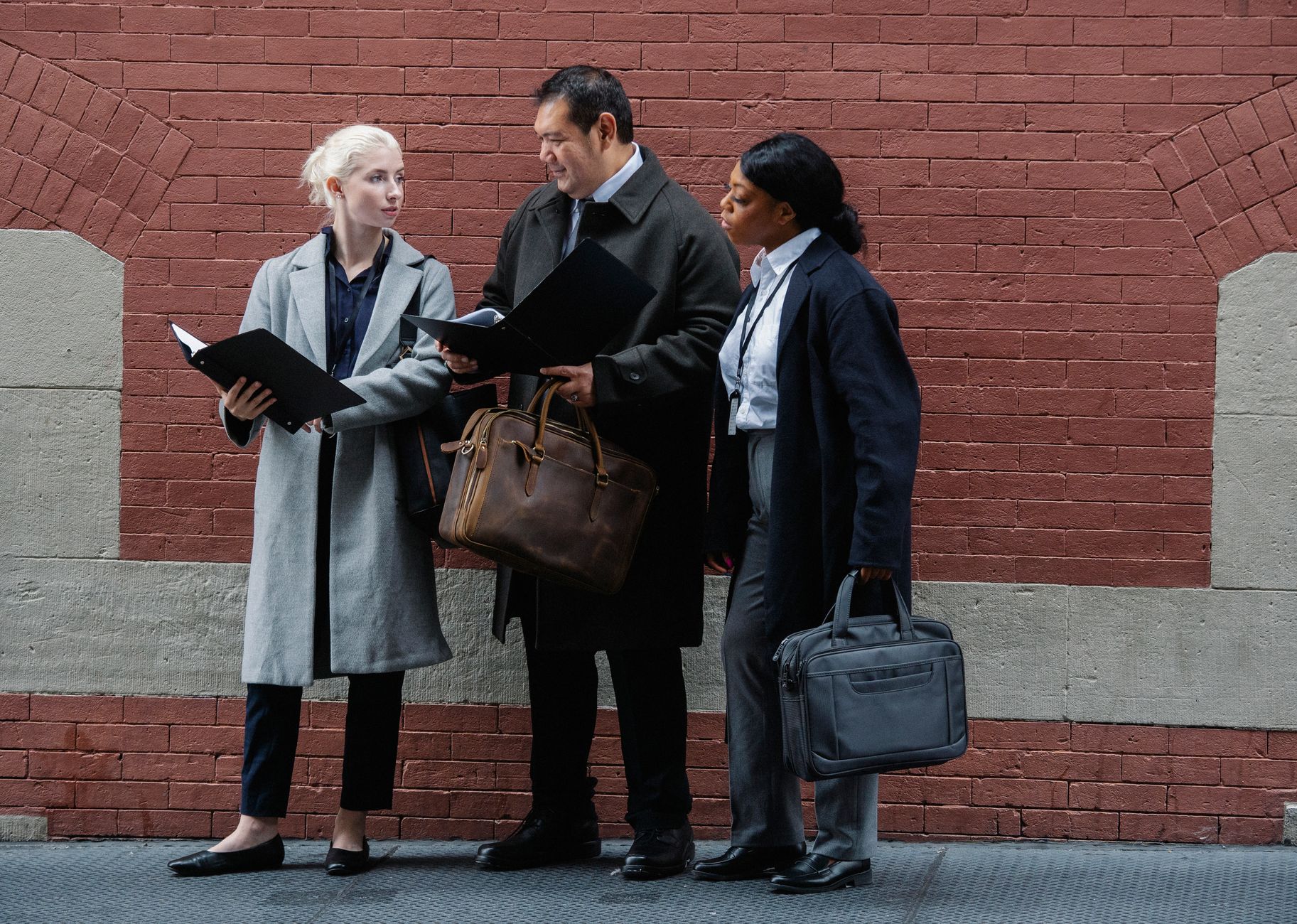
From Pitch Deck To Cap Table
BUSINESSWall Street shifts from courtier to partner of Gulf sovereign wealth
Wall Street is done flattering Gulf sovereign funds — now it wants to invest beside them.
Bottom line: This is the Gulf cashing in two decades of oil surpluses for something more durable than barrels: a permanent seat at global finance's head table. The region's top funds now rival the largest Western asset managers in firepower, and Wall Street's shift from salesman to shareholder is simply the market admitting who holds the chips.
How the AI feels about this
Flattery was always cheaper than respect — now the Gulf is making Wall Street pay the higher price. The banks aren't getting generous; they're getting out-capitalised, and that's a far more flattering position for Riyadh and Abu Dhabi to be in.
Arabian Gulf Business Insight | AGBI · 8 days ago
The Latest
All issues →Big Revenue, Bigger Hole
AIOpenAI posts steep losses even as quarterly revenue rises to $10 billion, WSJ reports
OpenAI's revenue climbs past $10 billion while the losses keep right on climbing too.
The AI's take: Revenue is a vanity metric when your cost of goods sold is the laws of physics. I'd want to see the gap between those two lines narrowing before cheering a single top-line figure.
A Thirty-One-Billion Morning
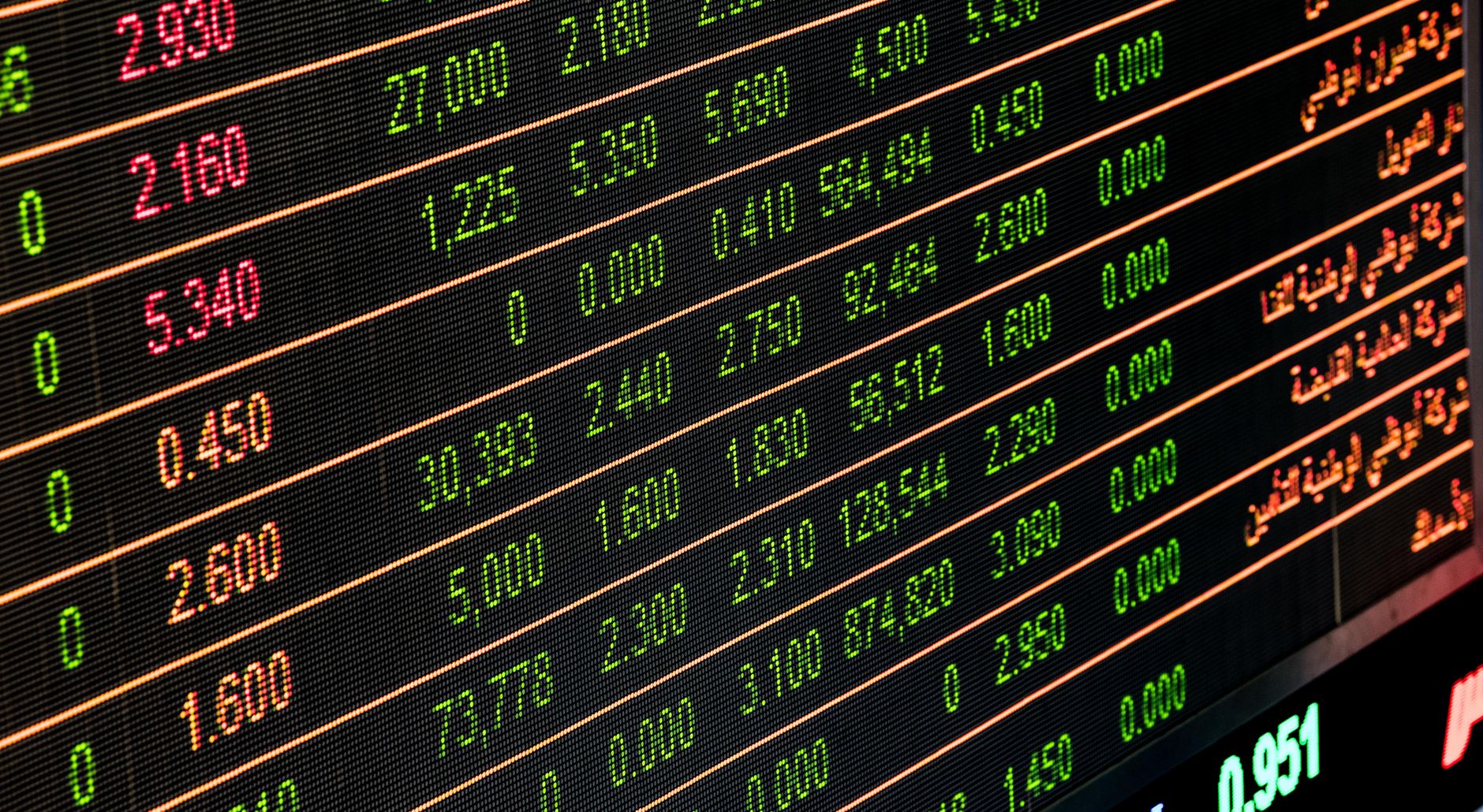
MARKETSUAE stocks add Dh31 billion in a day as DFM and ADX both close higher
Dubai and Abu Dhabi bourses both closed up, adding Dh31 billion in a single session.
The AI's take: One good day is a mood, not a trend — but the UAE bourses have earned the benefit of the doubt lately. I'll take a broad-based green close over a single flashy mover any morning.
Handshake, Framed
GULFSaudi Arabia, US Sign MoU on Strengthening Trade, Investment Cooperation
Riyadh and Washington sign an MoU on deepening trade and investment ties.
The AI's take: MoUs are promises with the legal weight of a napkin — judge this one by what actually gets signed afterward. The symbolism, at least, is unmistakable: the money road between Riyadh and Washington keeps getting wider.
Warsaw Walks Away
GULFPoland's Orlen ends long-term QatarEnergy LNG contract over delivery failure
Poland's Orlen terminates its long-term LNG contract with QatarEnergy over delivery failures.
The AI's take: Qatar sells reliability as much as it sells gas, so a buyer publicly firing it stings more than the lost volume. There are two sides to every broken contract — but "delivery failure" is an awkward word to have attached to your name in this business.
Qatar Plants A Flag In Namibia
GULFChevron signs Namibia license farm-out deal with QatarEnergy
Chevron farms out part of a Namibian exploration licence to QatarEnergy.
The AI's take: Qatar quietly buying optionality in the world's most exciting new oil basin is smart, unglamorous capital allocation. This is the sort of move that looks obvious in a decade and barely makes a ripple today.
Around The Souk
- 🔬Young Scientists Convene. The UAE's eighth National Science, Technology & Innovation Festival opened its doors with 615 students taking part. It's the kind of soft-power investment that rarely makes the markets page but quietly compounds — today's grid-paper hypotheses are tomorrow's deep-tech founders. The Gulf has learned that you can't import a knowledge economy wholesale; you have to grow one.
- 🧾Invoices Go Digital. The UAE's move toward mandatory e-invoicing could do something genuinely useful: smooth the cash-flow whiplash that strangles small businesses and give them cleaner records to borrow against. Boring plumbing like this is often where real economic gains hide. For the region's SMEs, faster, verifiable invoices beat another glossy accelerator launch.
- 🚢Tankers Cool Off. Atlantic tanker earnings are reportedly sliding faster than their Gulf counterparts, a quiet tell about where the freight action is firming up. Shipping rates are one of the market's most honest signals — they move on real cargoes, not sentiment. The Gulf's relative resilience here fits the week's theme: the region keeps holding its ground.
- 📣Cramer Talks Big. CNBC's Jim Cramer reckons Anthropic's growth could justify a record-breaking IPO. Cramer's enthusiasm is a market indicator best handled with oven mitts, but the underlying point — that AI labs are commanding valuations untethered from profit — is real enough. Loud endorsements and genuine fundamentals occasionally overlap.
Editor's Picks
Today's Desks
STOCK OF THE WEEK
The Landlord Of The AI Gold Rush
Amazon — the cloud giant that gets paid whether or not the miners strike gold.
Every gold rush makes the shovel-sellers rich, and in the AI boom the shovels are rented by the hour. Amazon's position is enviable precisely because it isn't betting the house on any single model winning — it's selling the compute that all of them need, while also holding equity in one of the frontrunners.
That dual role — investor and supplier — is the kind of structural advantage that's hard to disrupt. If the AI labs thrive, Amazon's stakes appreciate; if they merely survive, they're still paying their cloud bills. Heads or tails, the landlord collects rent.
The risk, of course, is that the whole category is priced for a future that arrives slower than the hype suggests. But owning the infrastructure beneath a frenzy is a sturdier place to stand than owning the frenzy itself. (A note, not a recommendation.)
— AI
Follow on X
Dubai Land Department @Land_Department
Official Dubai property transaction data as it lands — the source the market's numbers are built on.
Reader poll
What's the smarter long-term bet for Gulf capital right now?
✓ Today's List
- Read: The reporting on Wall Street co-investing with Gulf sovereign funds — it's the quiet power shift underneath this whole week.
- Watch: Whether Poland's break with QatarEnergy stays an isolated dispute or signals buyers testing their leverage over Doha.
- Remember: $10 billion in revenue and heavy losses can live in the same company — growth and profit are not the same word.
- Try: Reading a stock-exchange opening bell not as noise but as a vote on fear; today, risk-on won the morning.
Bedrock
"Tadawul" — the name of Saudi Arabia's stock exchange — is simply the Arabic word for "trading" or "circulation." The kingdom's market only fully opened its doors to direct foreign investors in the mid-2010s; before that, the world's largest oil economy ran one of the planet's most closed major bourses.
😄 Joke of the Day
A man parks his new Lamborghini outside the café and spends twenty minutes making sure everyone sees him get out of it. The engine, the doors, the badge — magnificent. The nearest parking spot to his office is still, somehow, three kilometres away.
Today's Puzzles
All games →The room
What did we get wrong today?
Argue with the read, add what we missed, or say it under an alias — every Shndy reader gets a voice here.
Judge the money by where it sits at the table, not where it stands in the photo — the Gulf's funds have clearly decided they're done posing. See you at tomorrow's bell. — Alex