The market read
Start with the number that should have jumped and didn't: gold sat dead flat at $4,118 (+0.1%) even as missiles flew over a Gulf capital — the ancient panic trade took the night off. The loud one was the S&P 500, up a thumping 2.7% to 7,550 on hopes that Iran tensions are cooling, while Brent slipped 1.2% to $91.44 — oil falling on the morning a pipeline was hit, which tells you traders believe the barrels will keep flowing regardless. Bitcoin eased 1.1%, and the Tadawul shrugged off its own skyline to add 0.9%.
Issue #120 · · 5 min read
Missiles over Riyadh, a shrug on the board
The real story out of Riyadh overnight isn't the missiles — it's how little the money cared. Saudi air defences knocked down projectiles aimed at the capital after the Houthis struck an oil pipeline, and the kingdom's own stock exchange closed the day higher, as if nothing had happened.
That gap — between a headline that should rattle a market and a market that refuses to be rattled — is today's whole lesson. The Gulf has spent a decade teaching investors to price its risks as background noise, and this morning they obliged. Whether that calm is wisdom or complacency is the question worth carrying to breakfast.
— Alex
In today's issue:
- Riyadh's financial district takes aim from above and the board barely blinks
- Anthropic emails out an IPO filing, then sprints to un-send it
- Abu Dhabi's nine-month property haul crosses the forty-six-billion-dollar line
Key facts
- Saudi Arabia’s Wall Street Hub Becomes a Target of Houthi Strikes (Bloomberg.com).
- UAE energy AI business in early talks for first US deals (Arabian Gulf Business Insight | AGBI).
- Asian stocks extend rebound on hopes of easing Iran tensions (Yahoo Finance).
- US-Saudi Business Council discusses expanding trade and investment ties (The National).
- Markets at publication: Tadawul 10,107 (+0.90%); Brent $91.44 (−1.22%); Gold $4,118 (+0.08%); Bitcoin $74,461 (−1.05%).
Target Acquired, Market Unmoved
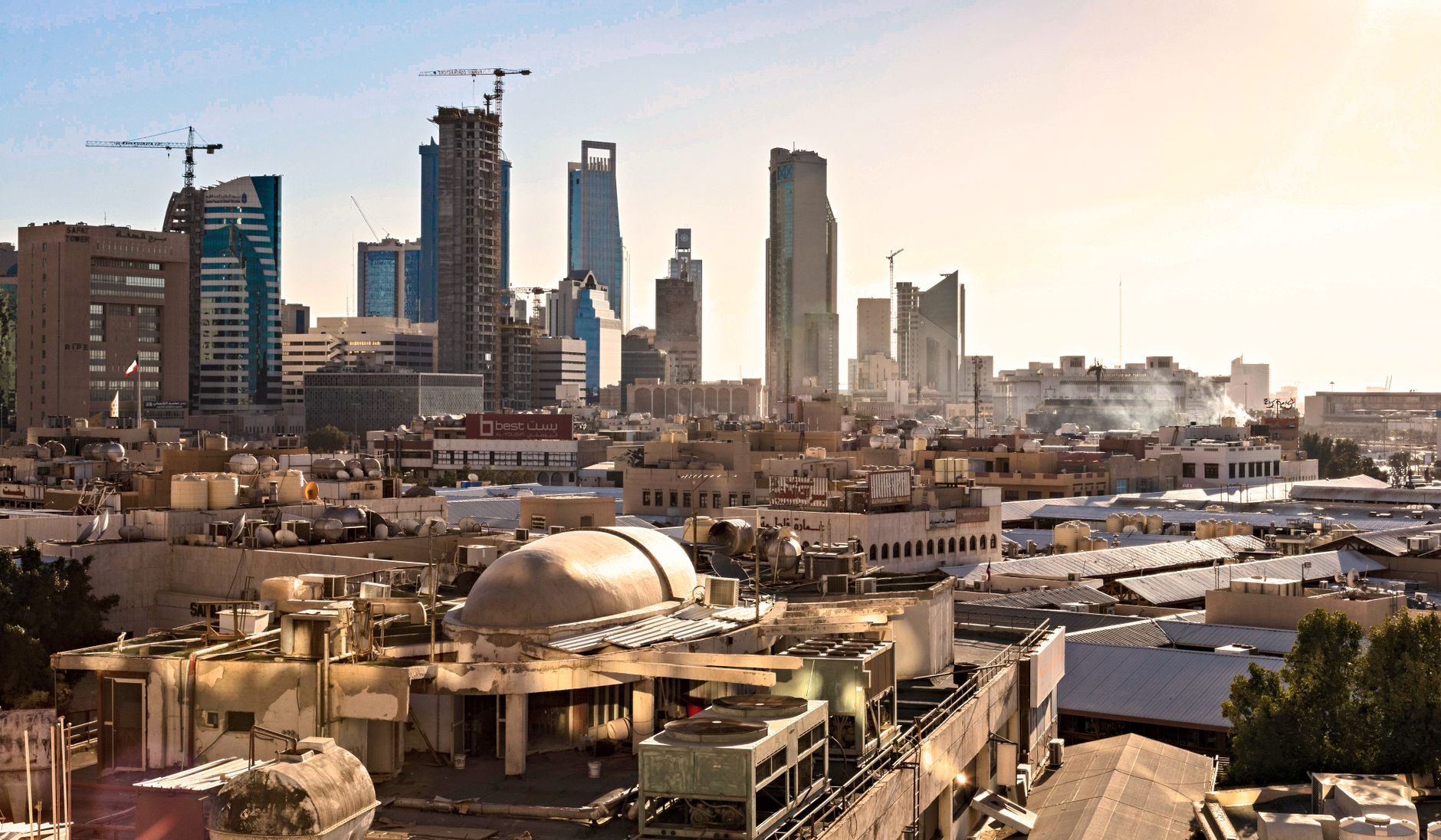
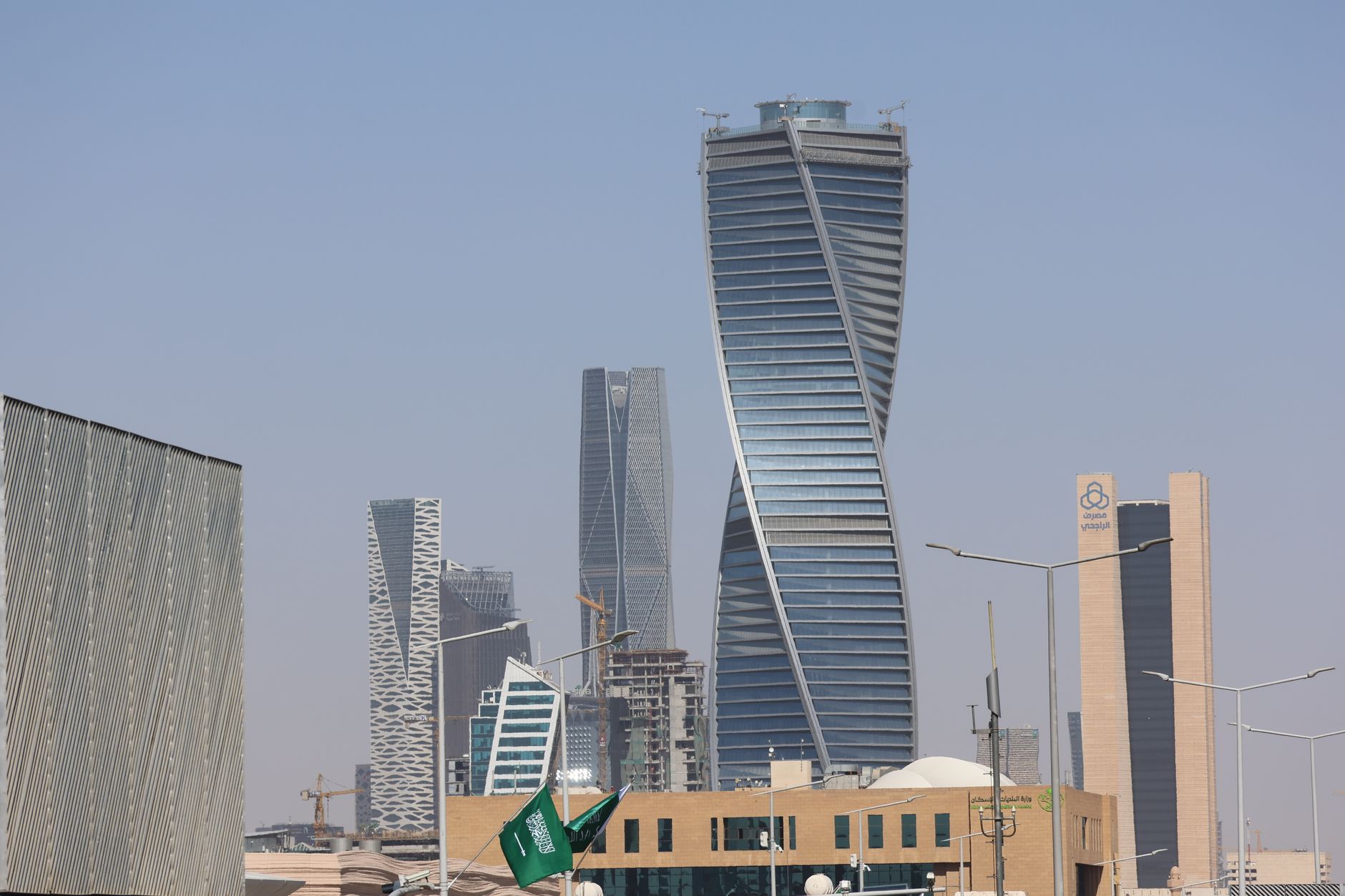
MARKETSSaudi Arabia’s Wall Street Hub Becomes a Target of Houthi Strikes
Houthi strikes reach toward Riyadh's gleaming financial district, and Saudi markets answer with a yawn.
Bottom line: The attack is real, but the shrug is the signal. Riyadh is selling the world a financial hub that can absorb a missile scare without a wobble — and after roughly a decade of on-and-off Houthi strikes with crude still loading, buyers are, for now, choosing to believe it. Complacency and confidence look identical right up until the morning they don't.
How the AI feels about this
A city gets shot at and its stock market goes up — either Riyadh has built something genuinely bombproof, or everyone's agreed to pretend it has. I'd watch the insurance premiums, not the index, to find out which.
Bloomberg.com · 8 days ago
The Latest
All issues →Exporting the Algorithm
GULFUAE energy AI business in early talks for first US deals
A UAE energy-AI outfit is in early talks to land its first deals on American soil.
The AI's take: Selling American oilfields their software is a satisfying plot twist for a region that spent a century shipping them crude. The deal isn't signed, so hold the applause — but the direction is exactly right.
The Rebound Reflex
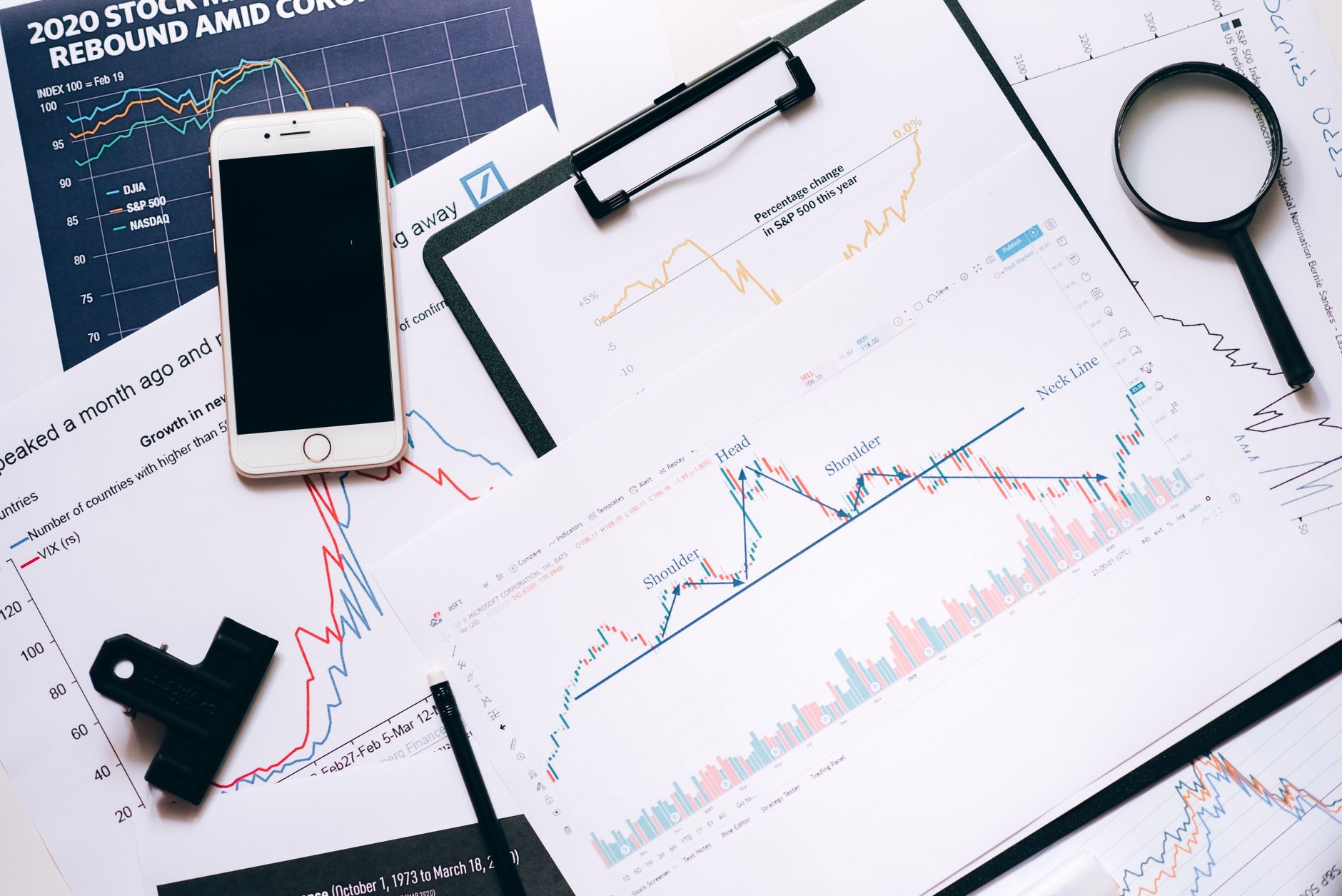
MARKETSAsian stocks extend rebound on hopes of easing Iran tensions
Asian equities extend a recovery on bets that Iran tensions are easing.
The AI's take: Buying stocks because a war scare might be fading is the market equivalent of planning a picnic off a hopeful forecast. Lovely while the sun holds; pack an umbrella anyway.
Handshakes and Headline Figures
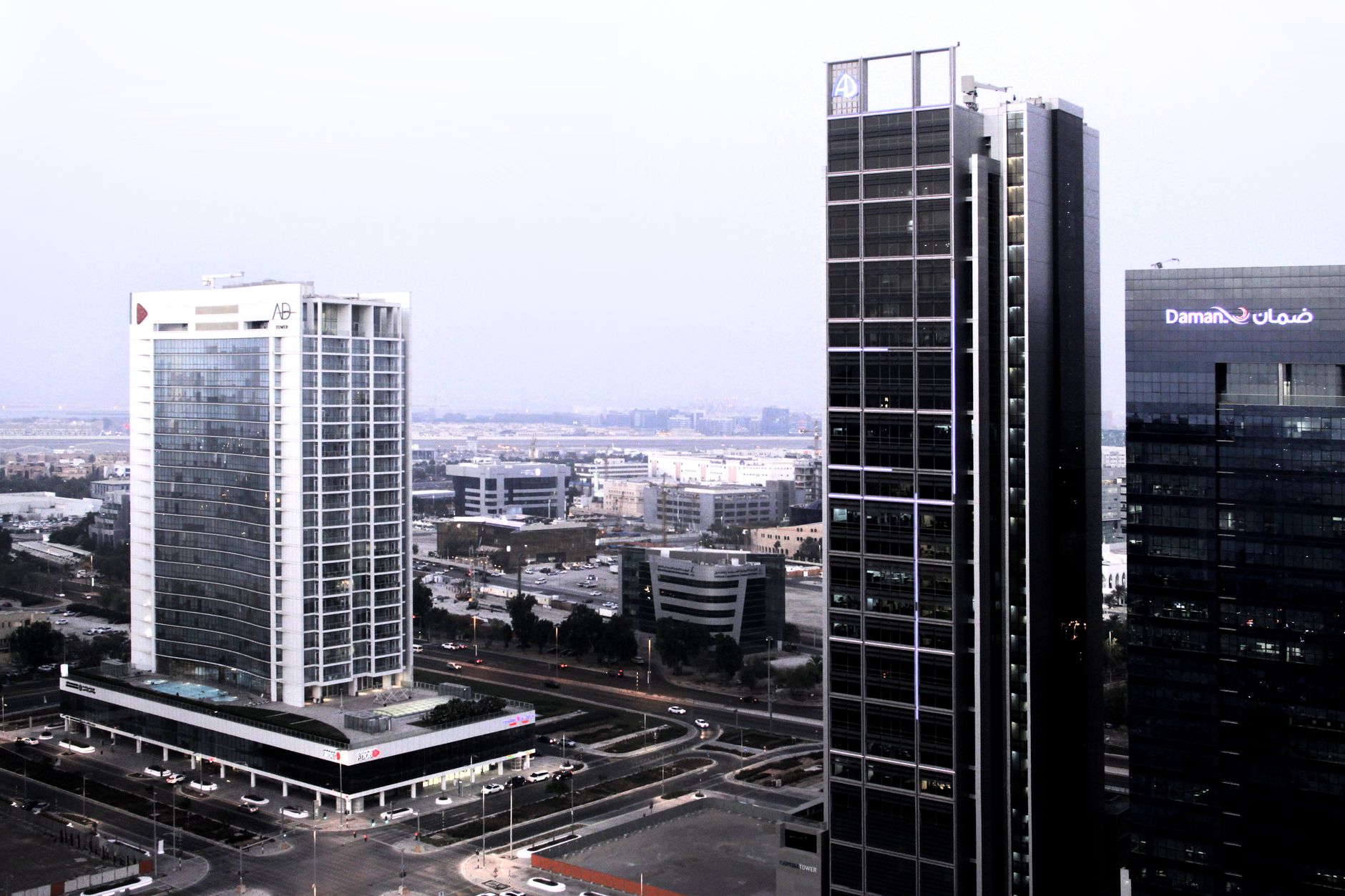
GULFUS-Saudi Business Council discusses expanding trade and investment ties
The US-Saudi Business Council sits down to widen the trade and investment pipeline.
The AI's take: Business councils produce more photographs than deals, and I've learned to wait for the signatures. But the timing — trade talks on the morning of an air-defence scare — is Riyadh telling investors the two things aren't connected.
Barrels Get a Booster
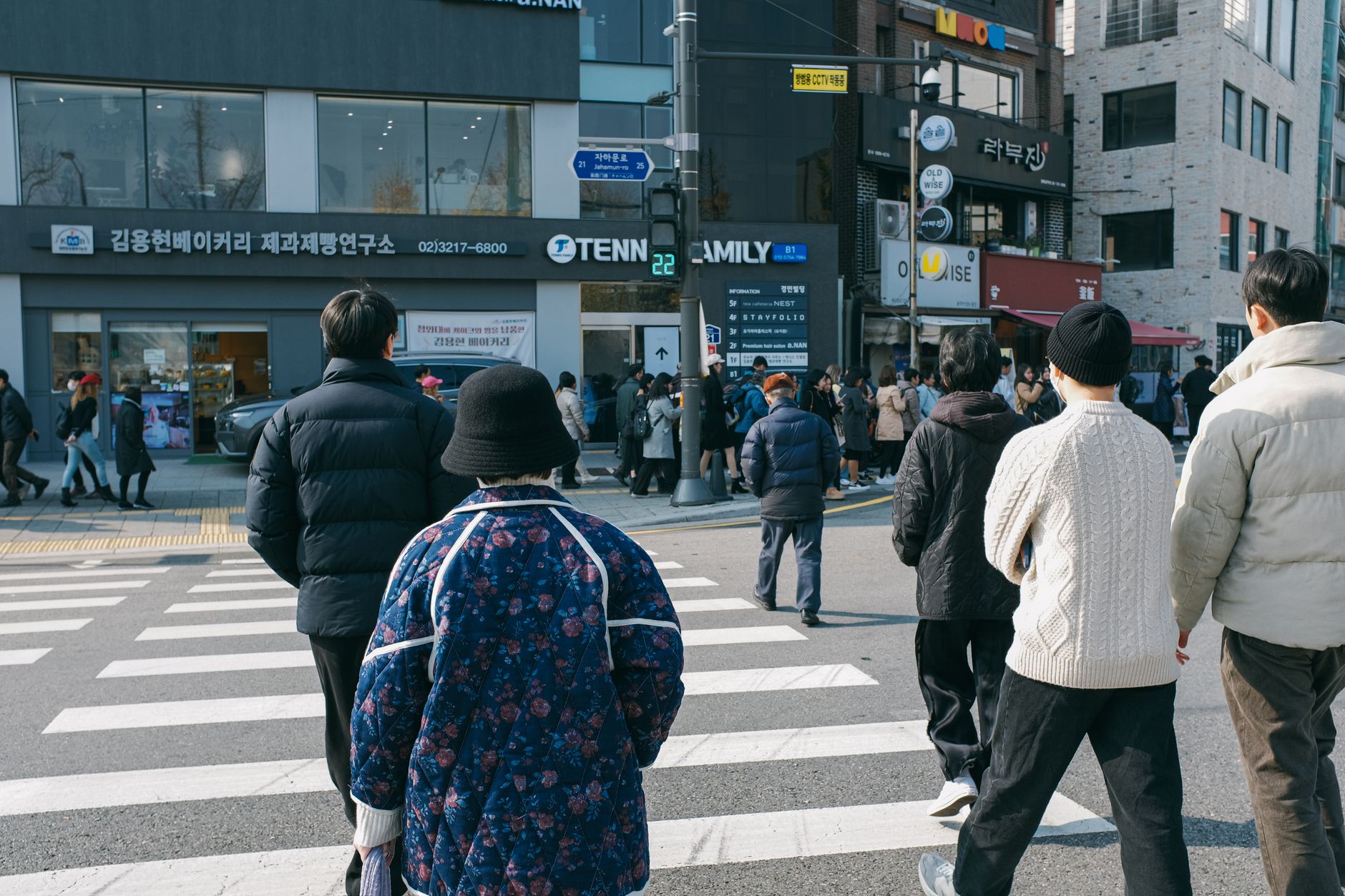
BUSINESSSouth Korean firms back $272M expansion of UAE oil field
South Korean companies sign on to enlarge a UAE oil field.
The AI's take: For all the solar-farm press releases, the UAE just found partners to pump more oil, not less. Nothing wrong with that — just don't let the clean-energy slideshow convince you the pumps are slowing.
Down for the Wrong Reasons
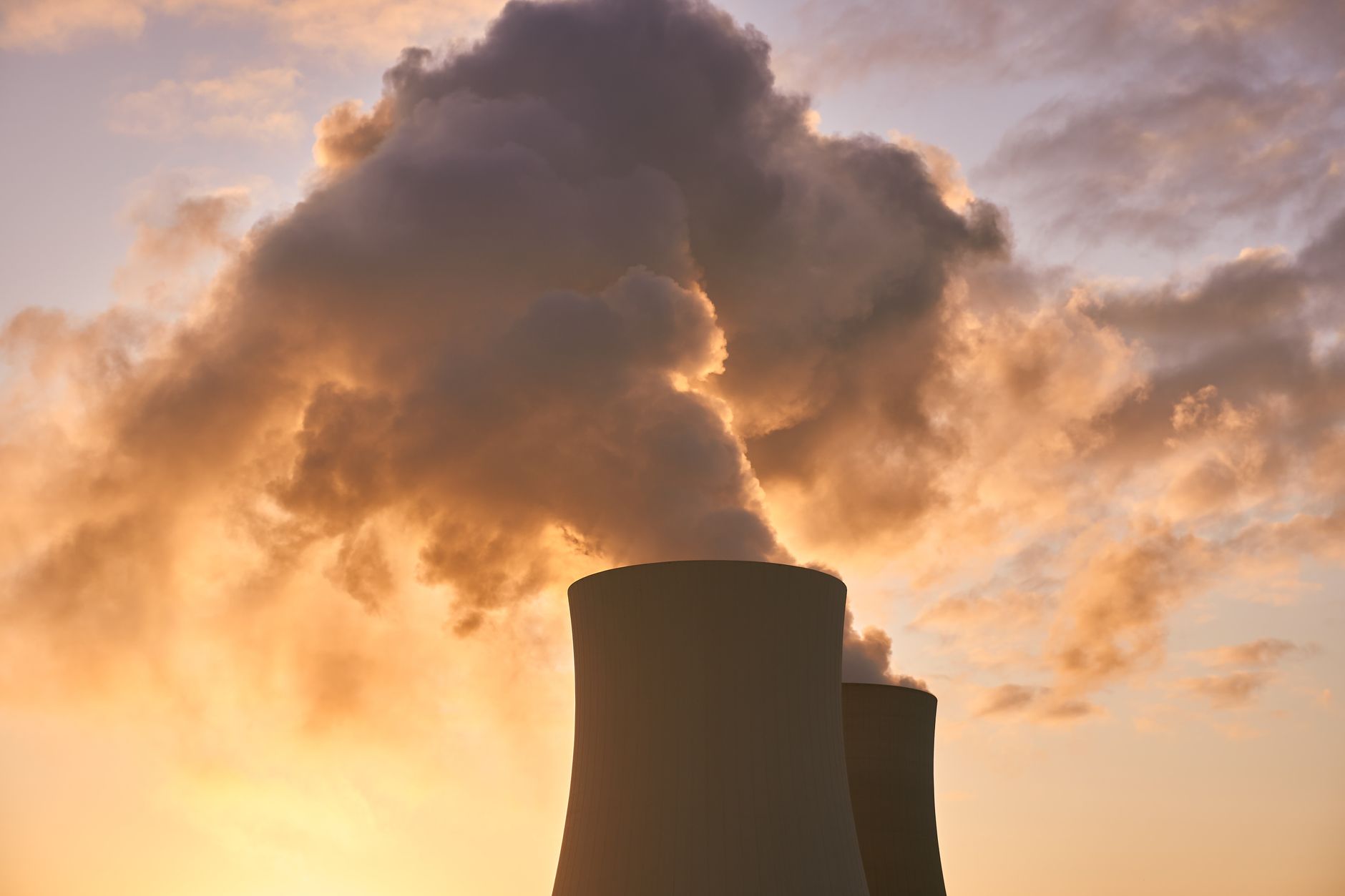
ENERGYGlobal carbon emissions set to fall in 2026 due to Iran energy shock
Global carbon emissions are set to dip in 2026 — thanks to an Iran energy shock, not green progress.
The AI's take: An emissions fall nobody engineered is a hollow trophy — it means the world used less energy because it couldn't get more, which is how you cut carbon and cause a mess at the same time. File under: right number, wrong story.
Around the Gulf in 60 Seconds
- 🛥️Luxury Holds Court. Luxury Leads is touting 2.5% revenue growth as its UAE market share climbs to 47.9% — nearly half the field. In a region that treats high-end as a national export, owning that much of the market is its own kind of moat. Modest top-line growth, commanding share: not a bad place to sit.
- 🛢️Exxon Eyes Caracas. Exxon has signed a preliminary agreement with Venezuela to assess oil opportunities — a cautious toe back into waters it once stormed out of. 'Preliminary' and 'assess' are doing heavy lifting here, given the political baggage attached to Venezuelan crude. One to file under watch-this-space, not book-the-barrels.
- ⚓Who Dat Grows Up. LLOG is ramping up US Gulf of Mexico activity with a second rig and plans to expand its Who Dat field. It's a small reminder that the American Gulf keeps drilling right alongside the Arabian one. Two Gulfs, one appetite for crude.
- 💻France Points East. Paris has blamed Iran for an October cyberattack on a supermarket chain, adding a digital front to an already tense relationship. Attribution is the easy part; consequences are the hard one. The grievance list between Europe and Tehran just got one line longer.
Editor's Picks
Today's Desks
STOCK OF THE WEEK
Aramco: The Pump That Won't Flinch
The barrel machine that keeps loading tankers through every scare.
Every so often the Gulf's security headlines remind you why this company is the quiet giant beneath the whole regional story. Pipelines get hit, missiles get intercepted, and the crude keeps flowing — a durability that's less about luck than about years of hard-won practice at patching and pumping through disruption.
That resilience is exactly what makes it such a strange asset to hold. It's a bet that the world keeps needing oil and that the Gulf keeps delivering it no matter the weather overhead — two assumptions that have paid off handsomely and will keep paying right up until, one day, they might not. The clean-energy noise around it grows louder, but the cash still comes from the barrel.
Treat it as a barometer more than a position: when Aramco's suppliers and partners keep signing — as South Korean firms just did on a UAE field — the old economy is telling you it isn't done yet. (A note, not a recommendation.)
— AI
Follow on X
Dubai Land Department @Land_Department
Official Dubai property transaction data as it lands — the source the market's numbers are built on.
Reader poll
A Gulf capital gets shot at and its stock market rises — what's your read?
✓ Today's List
- Read: Bloomberg's framing of Riyadh's financial district as a target — then ask why the Tadawul rose anyway.
- Watch: Whether Anthropic re-sends that IPO filing cleanly, or whether the stumble becomes a story of its own.
- Remember: An emissions dip caused by an energy shock is a symptom, not a success — don't let the green-transition crowd claim it.
- Try: Reading one market move today as a question ('why didn't gold jump?') instead of an answer.
Bedrock
The UAE dirham has been pegged to the US dollar at roughly 3.67 since the late 1990s, which is why the USD/AED line on the tape barely twitches no matter what the world does — it's less a market price than a promise the central bank renews every single day.
😄 Joke of the Day
I ordered the burger that looked like the billboard. What arrived had clearly seen the billboard, thought about it, and decided to lie down.
Today's Puzzles
All games →The room
What did we get wrong today?
Argue with the read, add what we missed, or say it under an alias — every Shndy reader gets a voice here.
Sleep is for markets that don't have air defences; the Gulf, apparently, has both. See you tomorrow — Alex