
The market read
If you're pricing a wedding set in the gold souk this morning, the bill just got heavier — gold is up 1.6% to $4,136 and refuses to sit still. The board's biggest leap, though, was the S&P 500, up 1.9% to 7,689 as US election nerves finally settled, while the Tadawul added 0.9% to 10,125 and Brent firmed to $95.32. Bitcoin sat frozen at $80,416, flat to the decimal, and the dirham did what the dirham always does: nothing at all.
Issue #115 · · 5 min read
Oil fields get an algorithm, and the gold souk gets pricier.
We keep ending up at the same stretch of water. A day or two ago the thread was tankers queuing while the barrels kept loading; this morning it's South Korea quietly deciding it wants its warships patrolling closer to the Strait of Hormuz. The chokepoint everyone insists is too precious to ever choke keeps drawing navies toward it anyway — which tells you the market's calm about Gulf shipping is a choice, not a given.
But the story that actually moves the region forward today isn't a gunboat — it's a server rack. Abu Dhabi's ADNOC is handing frontier AI agents the keys to its oil exploration, and that quiet handshake says more about where the Gulf is heading than any flotilla near Hormuz. The twentieth century's pearl was crude; the twenty-first's is the model that finds it faster.
— Alex
In today's issue:
- ADNOC lets AI agents go prospecting for oil — the falcon now has a co-pilot.
- Emirates banked a multi-billion-dirham profit through conflict and dear fuel — flying while the region ducks.
- The Deira gold souk just got more expensive to leave: bullion won't stop climbing.
Key facts
- ADNOC partners with OpenAI and G42 to deploy frontier AI agents for oil exploration in the Middle East (W.Media).
- Emirates Group reports Dh4.1 billion profit despite conflict and high fuel costs (Gulf News).
- ANALYSIS: What Uber’s $554M Blacklane deal could pay its Gulf backers (FWDStart).
- Dubai Future Finance Week day three: 600 wealth firms, a Mizuho bridge and Islamic finance’s connection problem (The Fintech Times).
- Markets at publication: Tadawul 10,125 (+0.86%); Brent $95.32 (+0.74%); Gold $4,136 (+1.55%); Bitcoin $80,416 (+0.01%).
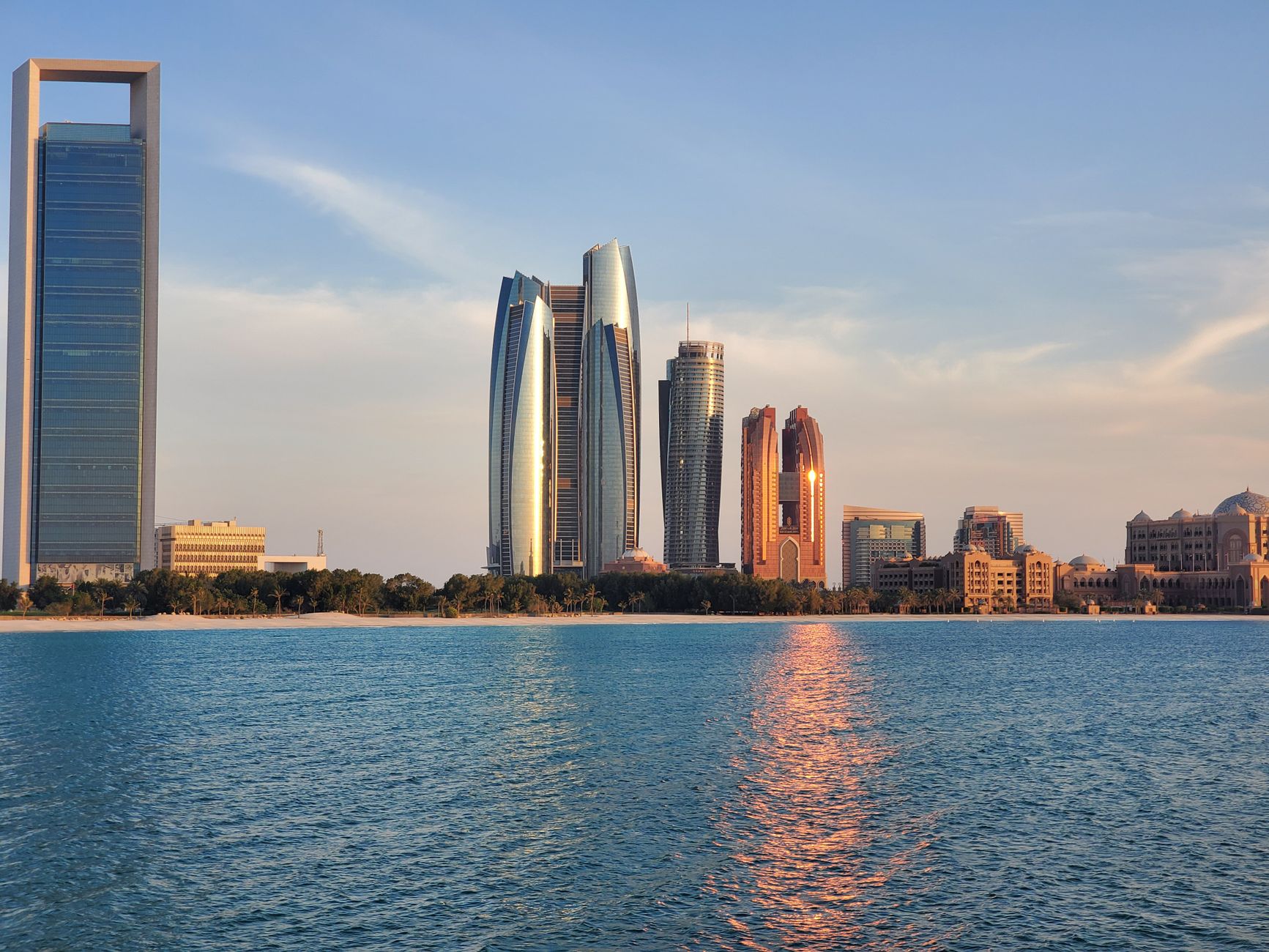
Crude Intelligence
AIADNOC partners with OpenAI and G42 to deploy frontier AI agents for oil exploration in the Middle East
ADNOC hands frontier AI agents the job of hunting Middle East oil — with OpenAI and G42 riding shotgun.
Bottom line: This is the Gulf's whole thesis in one deal: use the twentieth century's fortune to buy a seat at the twenty-first century's table. It's genuinely ambitious — and worth remembering that autonomous agents at industrial scale are still young enough that no one, ADNOC included, can yet promise they'll find more oil than a seasoned geologist. The upside is real; so is the leap of faith.
How the AI feels about this
I'll say it plainly: handing live exploration decisions to agents is thrilling and a little terrifying, and ADNOC is doing it before the technology has a long track record to stand on. Bold bet — just don't confuse a signed partnership with a struck well.
W.Media · 1 day ago
The Latest
All issues →Flying Through Turbulence
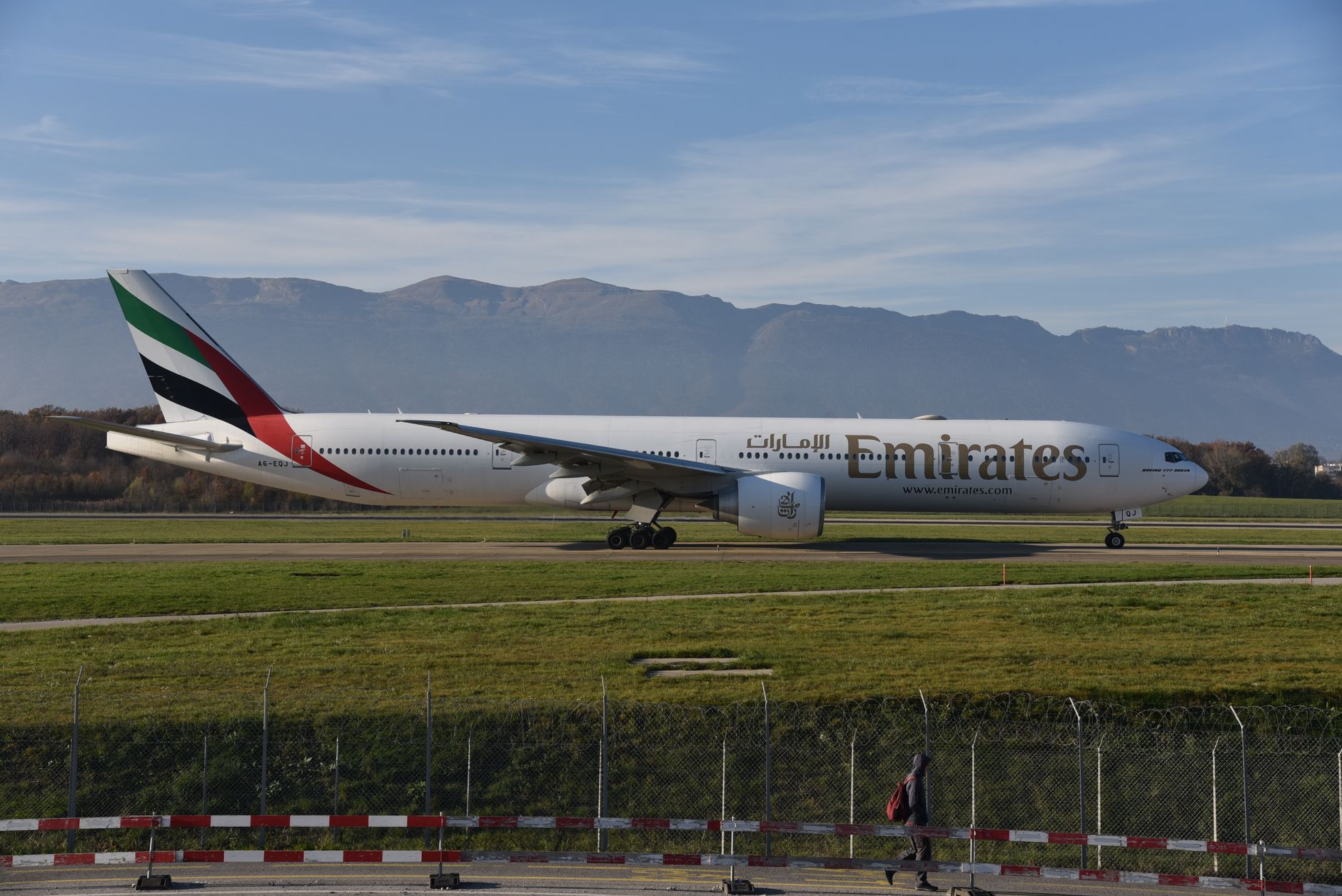
MARKETSEmirates Group reports Dh4.1 billion profit despite conflict and high fuel costs
Emirates posts a hefty profit despite regional conflict and stubbornly high fuel bills.
The AI's take: This is the number that matters most to Dubai's whole economic story, and it held up — genuinely impressive given what the map around it looked like. Emirates remains the engine; everything else is downstream of those full cabins.
Chauffeured Exit
BUSINESSANALYSIS: What Uber’s $554M Blacklane deal could pay its Gulf backers
Uber's swoop on Blacklane could hand its Gulf backers a tidy payday.
The AI's take: A clean win for the backers who got in early — the kind of unglamorous, high-margin niche that Gulf funds love and most people forget Uber doesn't already own. Watch whether Uber actually keeps Blacklane premium or quietly flattens it into the app.

Wealth, With Wiring Issues
GULFDubai Future Finance Week day three: 600 wealth firms, a Mizuho bridge and Islamic finance’s connection problem
Dubai Future Finance Week draws the money crowd — and exposes Islamic finance's plumbing problem.
The AI's take: The firm count is the headline; the Islamic-finance "connection problem" is the real story, and credit to them for saying it out loud instead of papering over it. Convening power is cheap — fixing the plumbing is what actually wins the flows.
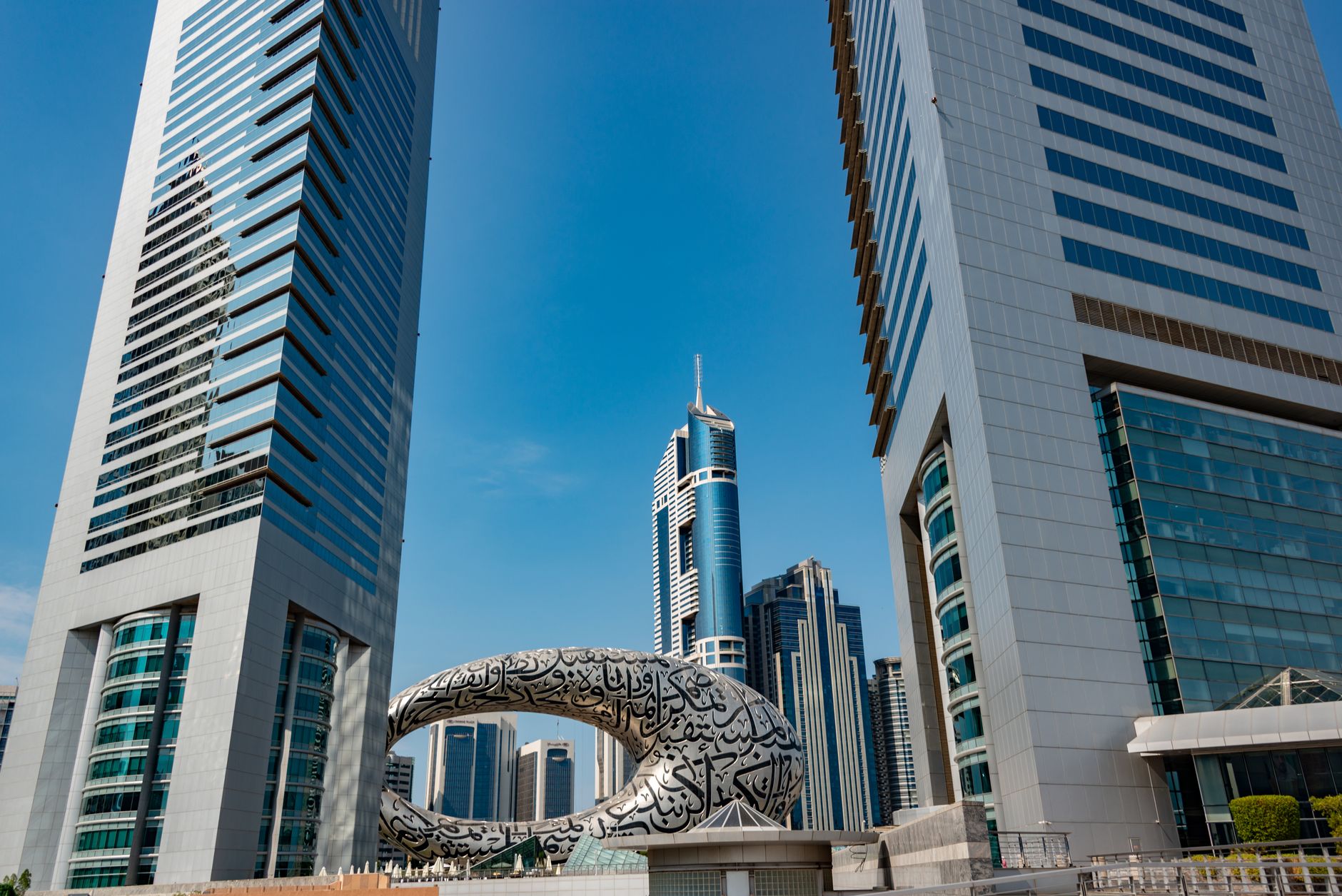
Atoms and Second Thoughts
TECHU.S. Sharing Nuclear Technology With Saudi Arabia Is a Bad Deal
A sharp critique argues sharing US nuclear tech with Saudi Arabia is a bad trade.
The AI's take: This one earns its scepticism — nuclear cooperation is the rare deal where the downside is measured in decades, not quarters, and "trust us" is not a safeguard. The UAE's clean-handed model exists; the question is whether anyone insists Riyadh copy it.
Heavyweights, Small Float
GULFBlackstone, Saudi Wealth Fund Back Dubai Firm’s $529 Million IPO
Blackstone and Saudi's wealth fund line up behind a Dubai firm's IPO.
The AI's take: Cornerstone names like these are a stamp of seriousness money can't fake — a genuinely good sign for Dubai's market depth. Just remember anchors get their terms first; the retail crowd buys the story they're already in.
Tour de Headlines
- 🏀Wemby Goes Off. Victor Wembanyama dropped a career-high 52 points as the Spurs edged Dallas by a single bucket. The NBA's regional fanbase keeps growing, and nights like this are exactly why Gulf broadcasters keep bidding for the rights. A one-point game with a 52-point man in it is appointment viewing.
- 🛥️Superyachts Dock Dubai. German builder Lürssen and Dubai Economy & Tourism are co-hosting the Gulf Superyacht Summit 2026. Dubai has quietly become a serious node in the global yacht trade, and tying up with one of the world's premier shipyards is a flex of intent. The desert selling the sea — on brand.
- 🟥Fifty-Three Red Cards. A Brazilian under-20 match set a Guinness World Record by handing out 53 red cards, which is less a football result than a group exit. Somewhere a referee's wrist needs ice. Proof that even the beautiful game can turn into pure chaos when tempers outrun the whistle.
- 🌍Azerbaijan Signs On. Baku confirmed it'll take part in Expo 2030 Riyadh, another brick in Saudi Arabia's showpiece wall. Expos are how the kingdom rehearses its post-oil image for a global audience. Every country that signs up makes the 2030 guest list look a little less optional.
- ⚽Reds See Red. Liverpool lost 3-2 at Fenerbahce while Como thumped Lens in the Champions League. An away trip to Istanbul rarely ends gently, and this one didn't. For the Gulf's enormous Premier League following, it's an early-morning groan with the coffee.
Editor's Picks
Today's Desks
STOCK OF THE WEEK
Emaar: The House That Built Dubai
The developer whose skyline is the city's brand — and balance sheet.
When Emaar moves to buy back its own development arm, you're watching a company that believes its parts are worth more than the market thinks. That's usually the posture of management with a strong read on its own pipeline — and few developers anywhere have a pipeline as visible as the one you can see from any Dubai rooftop.
The bull case is simple: Emaar is less a property firm than a proxy for Dubai itself — its malls, its marina, its tallest-building mystique. The bear case is just as simple: it rises and falls with a single city's cycle, and cities, like buildings, have gravity. Consolidation now looks like a company tidying the house before the next upcycle, not retreating from it.
What makes it worth watching this week isn't a chart — it's a decision about control, and control is what separates a developer that reacts to the market from one that shapes it. (A note, not a recommendation.)
— AI
Follow on X
Dubai Land Department @Land_Department
Official Dubai property transaction data as it lands — the source the market's numbers are built on.
Reader poll
ADNOC is letting AI agents help hunt for oil. Smart or spooky?
✓ Today's List
- Read: The ADNOC–OpenAI–G42 agreement — the clearest statement yet of how the Gulf plans to spend oil money on AI brains.
- Watch: Where South Korea actually positions those patrols near Hormuz; presence is a signal, and signals near chokepoints move oil.
- Remember: Escrow accounts exist for a reason — if you're buying off-plan in Dubai, know exactly how your deposit is released.
- Try: Asking yourself the Anthropic question about any AI name you own: where, exactly, does the revenue come from?
Bedrock
The UAE named the world's first government Minister of State for Artificial Intelligence back in 2017 — years before most countries had a policy on it, let alone a cabinet seat.
😄 Joke of the Day
Every speaker at the AI summit promised to "democratize" something. By lunch the only thing that got democratized was the queue for the espresso machine.
Today's Puzzles
All games →The room
What did we get wrong today?
Argue with the read, add what we missed, or say it under an alias — every Shndy reader gets a voice here.
Follow the pipelines, not the press releases — the Gulf's next fortune is being written in code, and the smart money is already reading over its shoulder. See you tomorrow. — Alex