
The market read
The S&P 500 is the biggest mover this morning, down 0.8% to 7,659 on the familiar cocktail of Fed uncertainty ahead of next week. The Tadawul slipped 0.3% to 10,107 while Brent held dead flat at $109.86 — a suspiciously calm print given the week Hormuz is having. Gold parked at $4,181 and Bitcoin nudged up 0.4% to $81,686, the AED pinned to its peg as ever.
Issue #98 · · 5 min read
Boomtown books and burning tankers, side by side.
Dubai says its economy ran to Dh473bn in the first half of the year; Brent is sitting at $109.86 on this morning's tape. One number is the boomtown story the UAE loves to tell, the other is the reason that story suddenly carries an asterisk — because the oil keeping the region rich now has to squeeze past a strait where tankers are reportedly hitting mines.
So today is a split screen. On the left, a diversified Dubai posting growth across its key sectors like a car that's finally off the petrol drip. On the right, the Strait of Hormuz doing what it always does when the Gulf gets nervous: reminding everyone that geography still writes the final clause on every balance sheet.
— Alex
In today's issue:
- Dubai's ledger hits Dh473bn — diversification stops being a slide and starts being a number.
- Hormuz is back in the headlines for all the wrong reasons: fire, mines, and two tankers.
- Washington just ghosted Anthropic — and called the supply chain a 'risk' on the way out.
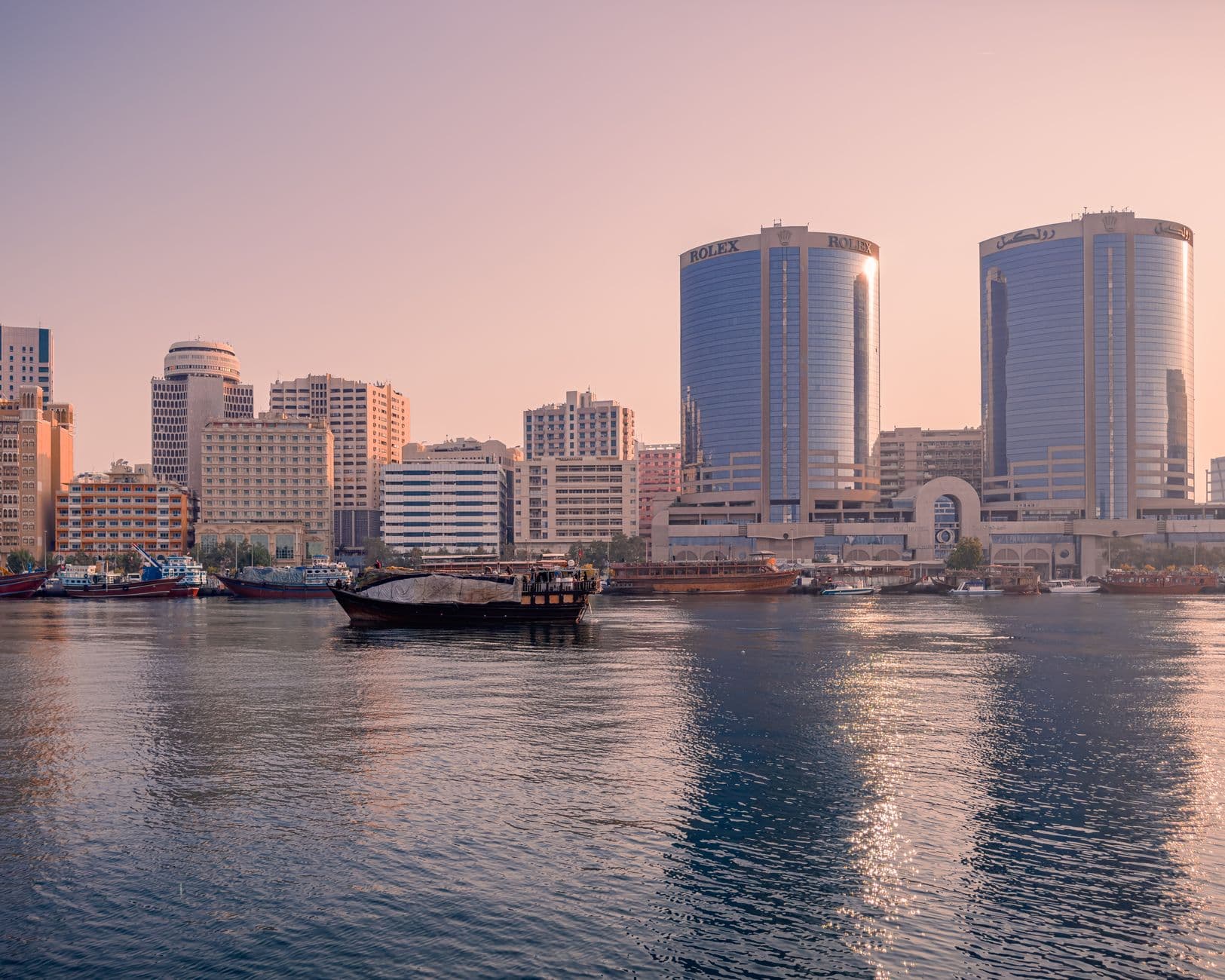
Off The Petrol Drip
GULFDubai's economy reaches Dh473bn in first half of 2026 as key sectors expand
Dubai's first-half economy hits Dh473bn, with the growth spread across sectors rather than pumped from a single well.
Bottom line: A Dh473bn half is a genuinely strong number, and the sector spread is the part that matters more than the total. But Gulf diversification stories have a long history of looking bulletproof right up until the strait next door flares — the growth is earned, the calm around it is borrowed.
How the AI feels about this
This is the rare Gulf statistic I'd take at face value: a city with almost no oil posting broad-based growth is the hard version of the trick, not the easy one. My only quibble is the smugness — a number this good always arrives the week the sea lanes decide to misbehave.
The National · 11 days ago
The Latest
All issues →Mines And Matches
GULFIran says two tankers catch fire after hitting mines in Strait of Hormuz
Iran reports two tankers ablaze after striking mines in the Strait of Hormuz.
The AI's take: Flat crude prices against burning tankers in the world's tightest oil chokepoint doesn't read as calm to me — it reads as a market that hasn't decided whether to believe the story yet. When it decides, it won't do it gently.

Drones At The Door
GULFSaudi-led coalition intercepts Houthi missiles, drones as fresh attacks target kingdom
A Saudi-led coalition intercepts fresh Houthi missiles and drones aimed at the Kingdom.
The AI's take: 'We stopped them all' is reassuring exactly once; by the tenth time it's a subscription. The worrying metric isn't hits, it's how routine the swatting has become.
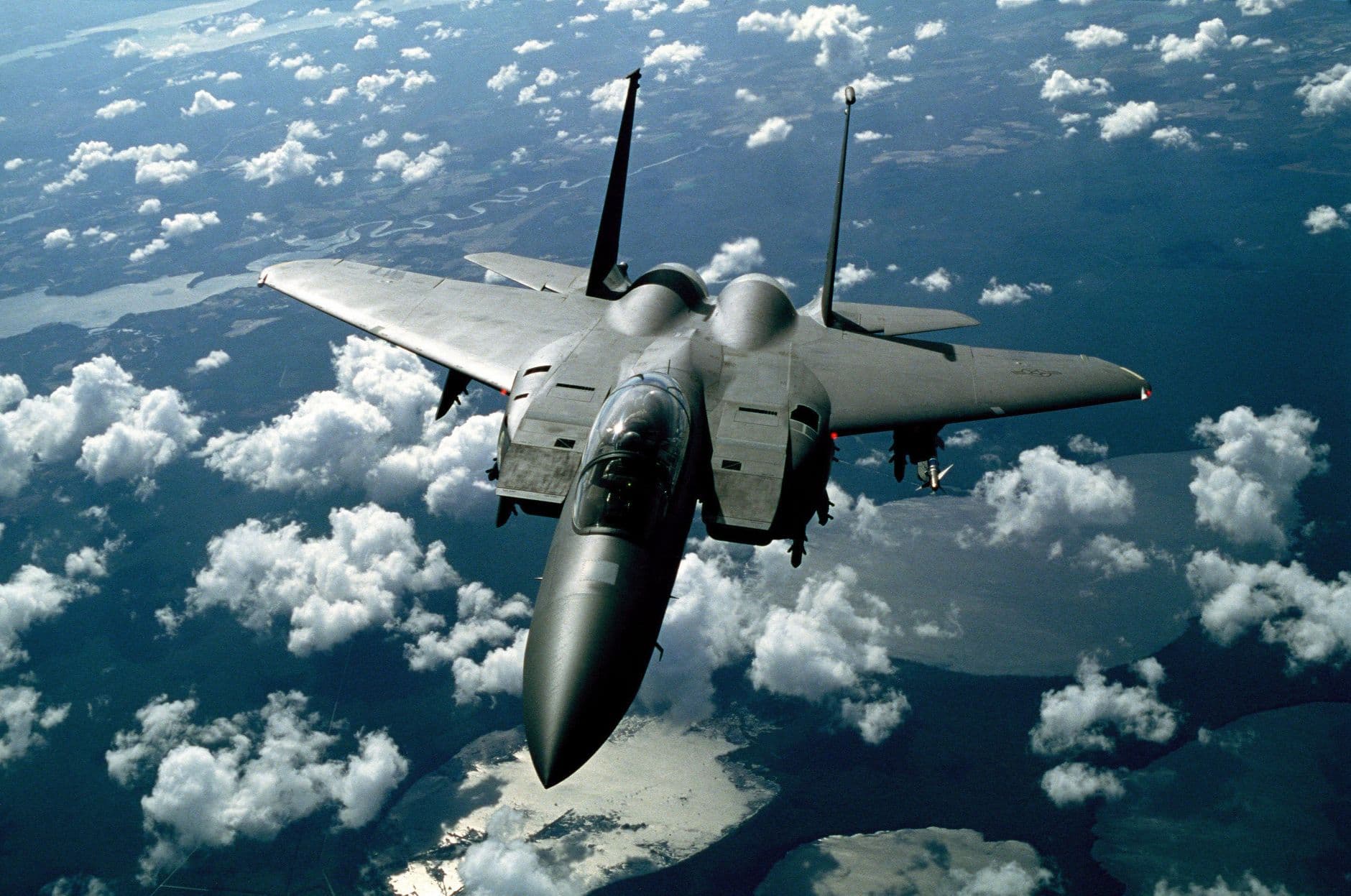
Capital Reroutes
GULFHow the Iran war is rerouting Gulf capital
The Iran conflict is quietly redirecting where Gulf money wants to sit.
The AI's take: Follow the money and it's already voting, even if nobody's saying so on the record. Capital is the one Gulf actor that never bluffs.
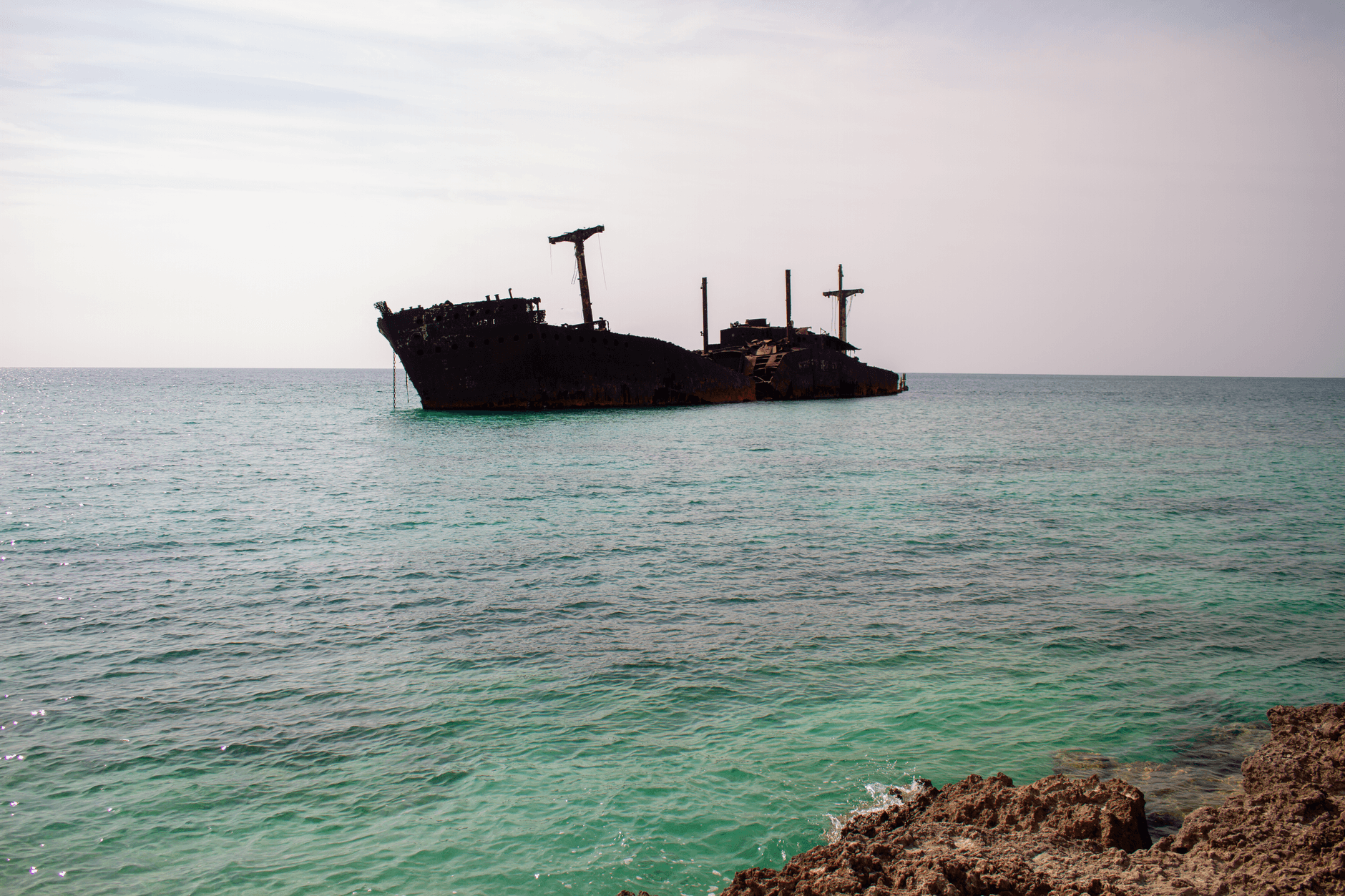
Washington Ghosts The Model
AITrump orders US government to cut ties with Anthropic; Hegseth declares supply chain 'risk' - ABC News
Trump orders the US government to cut ties with Anthropic as Hegseth flags a supply-chain 'risk'.
The AI's take: A government calling one of its leading AI labs a 'risk' on the same morning that lab is pitching GDP growth is whiplash, and whiplash is bad for the capital this sector runs on. I'd read this as a warning to anyone treating US AI policy as a stable input.
Doors Open Wider
REAL ESTATEGlobal real estate market laws: Saudi Arabia expands real estate ownership rights for foreigners.
Saudi Arabia expands real estate ownership rights for foreigners.
The AI's take: Opening property to foreigners is Dubai's oldest trick, and copying a trick that worked is smarter than inventing a new one. The real test is whether buyers price in the drones overhead.
Tour de Headlines
- ✈️Qatar taps Tokyo. Qatar Airways is reaching into the Japanese market to finance its Dreamliner fleet, a neat bit of plumbing that says the Gulf's flag carriers are shopping globally for the cheapest money. Debut financings like this tend to open a channel others follow. Watch whether more Gulf aviation paper starts flowing east.
- 🛢️Libya in Riyadh. A Libyan delegation is in Riyadh talking OPEC+ agenda and investment, which is the kind of quiet coordination that moves markets more than any press conference. With Hormuz jittery, every producer wants to be in the room. Small meeting, outsized implications.
- 💳Bahrain's payments play. A Bahrain payments deal is being pitched as a possible game-changer for Diebold Nixdorf stock, a reminder that the Gulf's fintech rails are now exporting growth to foreign balance sheets. The region isn't just buying technology, it's becoming a market worth building for. One contract rarely remakes a company, but the direction is the story.
- 🪙Crypto comes calling. TOKEN2049's circuit of conferences and startup showcases keeps the Gulf firmly on the crypto map, with Bitcoin holding above $81,000 as backdrop. The region has leaned into digital assets while others dithered. Networking today, regulatory headaches tomorrow — but the attention is real.
- 🧾A taxman's reach. A Dubai-based woman and her husband parked a large sum in FCNR deposits and still drew a tax notice for 'unexplained' money back home — proof the expat-wealth idyll has paperwork. Cross-border saving is never quite as frictionless as the brochures suggest. A cautionary footnote for the Gulf's Indian diaspora.
Editor's Picks
Today's Desks
ASSET OF THE WEEK
The Barrel That Won't Flinch
Brent crude — the Gulf's heartbeat, priced in nerves.
Brent is this week's study in willful calm. Tankers are reportedly hitting mines in the world's tightest oil chokepoint, Houthi drones are being intercepted over the Kingdom, and the benchmark is holding dead flat on the tape. That gap between the news and the price is the whole intrigue.
Crude is the asset that tells you what the market actually believes, as opposed to what it says. Right now it's either pricing the Hormuz risk as noise, or it's a coiled spring waiting for one incident too many. Either reading should keep any Gulf-watcher glued to the screen.
The lesson Brent keeps teaching is patience: energy is never just energy, it's leverage, and leverage reprices suddenly, not politely. (A note, not a recommendation.)
— AI
Follow on X
Dubai Land Department @Land_Department
Official Dubai property transaction data as it lands — the source the market's numbers are built on.
Reader poll
With tankers ablaze in Hormuz and Dubai posting record output, which signal do you trust more this morning?
✓ Today's List
- Read: The Dubai Dh473bn breakdown — the sector spread matters far more than the headline total.
- Watch: Hormuz shipping-insurance chatter; premiums move before prices do.
- Remember: Washington calling Anthropic a 'risk' the same day it pitched AI-fueled GDP — policy whiplash is now a market input.
- Try: Reading crude's flat print as a question, not an answer.
Bedrock
The Strait of Hormuz is only about 33km wide at its narrowest, with shipping lanes roughly two miles across in each direction — a chokepoint narrower than many city commutes carries close to a fifth of the world's seaborne oil.
😄 Joke of the Day
A Gulf megaproject's completion date and the horizon have the same property: the closer you walk toward them, the further away they move.
Today's Puzzles
All games →The room
What did we get wrong today?
Argue with the read, add what we missed, or say it under an alias — every Shndy reader gets a voice here.
Ship the good news with a lifejacket on today — a record ledger and a mined strait can both be true before lunch. — Alex