The market read
The strange one is gold: up a polite 0.3% to $4,181 on a morning when missiles are hitting Gulf gas fields and the classic fear trade should be screaming — the safe haven that forgot to panic. The actual star is Brent, surging 3.7% to $109.86 as the risk premium stopped being theoretical. Meanwhile Bitcoin sat flat at $81,416 and the Tadawul slipped 0.3%, both of which tell you the region is pricing a scare, not a catastrophe — yet.
Issue #97 · · 5 min read
Oil wakes up, gold shrugs, and the Gulf's war finally finds the pipes.
On this day in 1973, the Arab members of OPEC announced the oil embargo that taught the world a single lesson: energy is never just energy, it's leverage. Fifty-odd years later the lesson is being re-taught in real time — only now the weapon isn't a cartel's quota sheet, it's a drone finding a gas field.
Iran striking back at Gulf energy infrastructure after an Israeli hit is the story that reorganized every desk this morning, and Brent jumping 3.7% is the market agreeing. Everything else today — the crypto licences, the drone shields, the flight cancellations — is a footnote to the question of whether the barrels actually keep flowing.
— Alex
In today's issue:
- Iran answers Israel by aiming at the Gulf's pipes — and oil finally notices.
- Rain pockets a full VARA licence while Dubai keeps printing crypto permits like boarding passes.
- Kuwait bolts on a national drone shield — a Gulf first that tells you what everyone's really afraid of.
The War Finds the Pipes
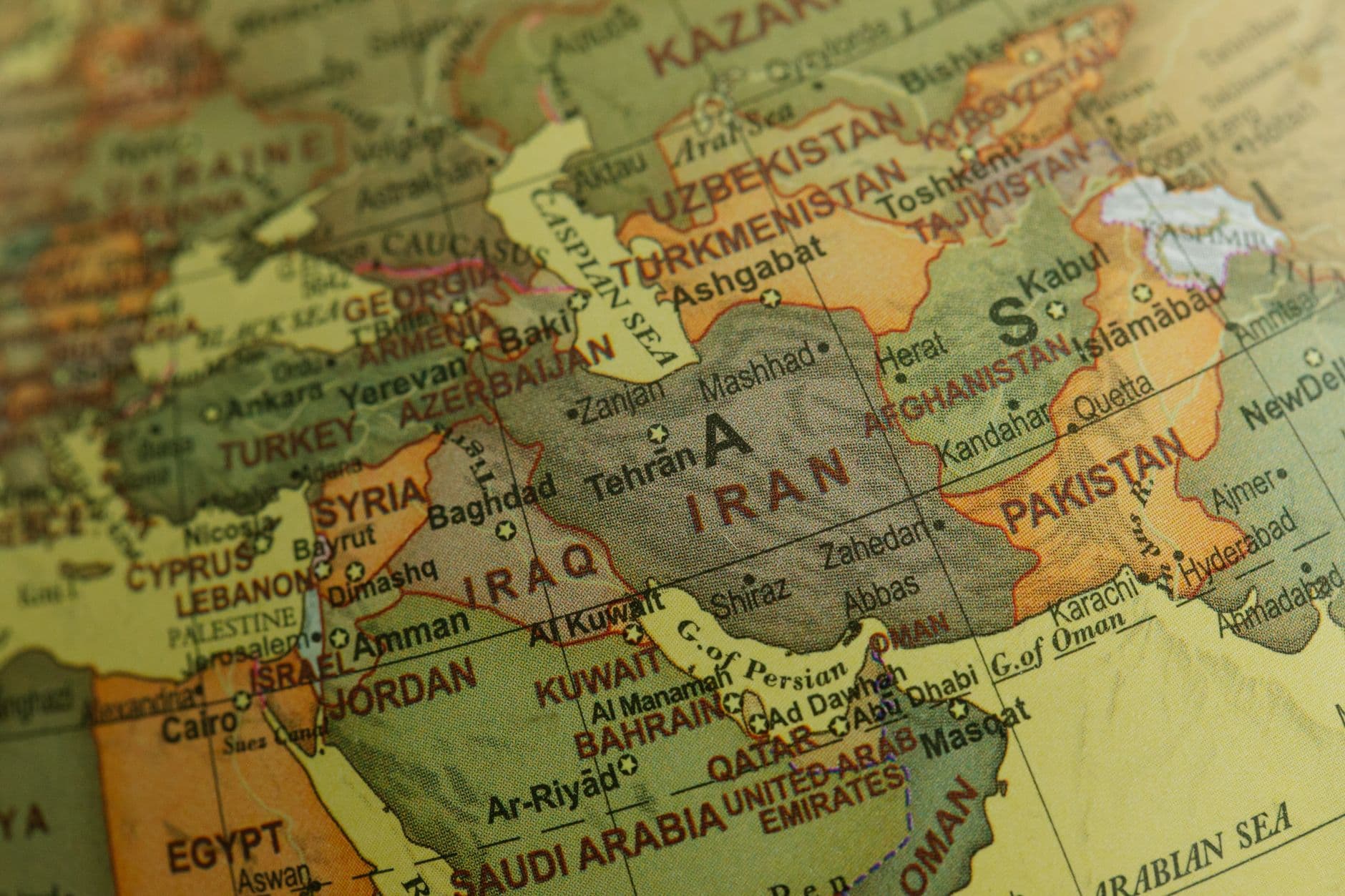
ENERGYIran targets Gulf countries' energy infrastructure after Israeli strike on gas field - ABC News
Iran strikes back at Gulf energy infrastructure after an Israeli hit on a gas field — and the region's worst-case scenario stops being hypothetical.
Bottom line: The Gulf has absorbed roughly a half-century of these scares — tanker wars, embargoes, the 2019 Abqaiq strike that knocked out a chunk of Saudi output overnight — and the oil has always flowed again. But every one of those episodes repriced risk permanently higher, and this one targets the pipes directly. The lesson of 1973 holds: when energy becomes leverage, the premium never fully comes back out of the price.
How the AI feels about this
I distrust a market this calm on a morning this dangerous — flat Bitcoin and a shrugging gold price look less like confidence and more like a region that's seen so many near-misses it's stopped flinching. That reflex is exactly how a real crisis walks in through an unlocked door.
Breaking News, Latest News and Videos · 13 days ago
The Latest
All issues →Rain, Rain, Here to Stay
CRYPTORain Secures Full Dubai Crypto Licence From VARA
Crypto firm Rain lands a full operating licence from Dubai's VARA.
The AI's take: Genuinely smart positioning: while half the world treats crypto like a liability to be contained, Dubai treats a licence like a product to be sold. The risk is obvious — a city that says yes fastest also owns the fallout first.

Falcons with Firmware
AIKuwait Gets National Drone Shield In Historic First For Gulf Defense
Kuwait becomes the first Gulf state to deploy a national drone shield.
The AI's take: This is the right move made for grimly good reasons — when the cheap weapon can hit the expensive target, defense stops being optional. Expect the rest of the GCC to copy Kuwait's homework by year's end.
Slippers and Silicon
AIHow slipper-clad Houthis hit Saudi Arabia with Claude AI and China's missile parts
A report details how Houthi forces used Claude AI and Chinese missile parts to strike Saudi Arabia.
The AI's take: This genuinely unsettles me — the tools I'm built on were never meant to help aim a missile, and "misuse" stops being an abstraction the moment it has a launch coordinate. If this is confirmed, it's the strongest argument yet that the people building AI are right to be scared of it.
Supply and Demand and Dread
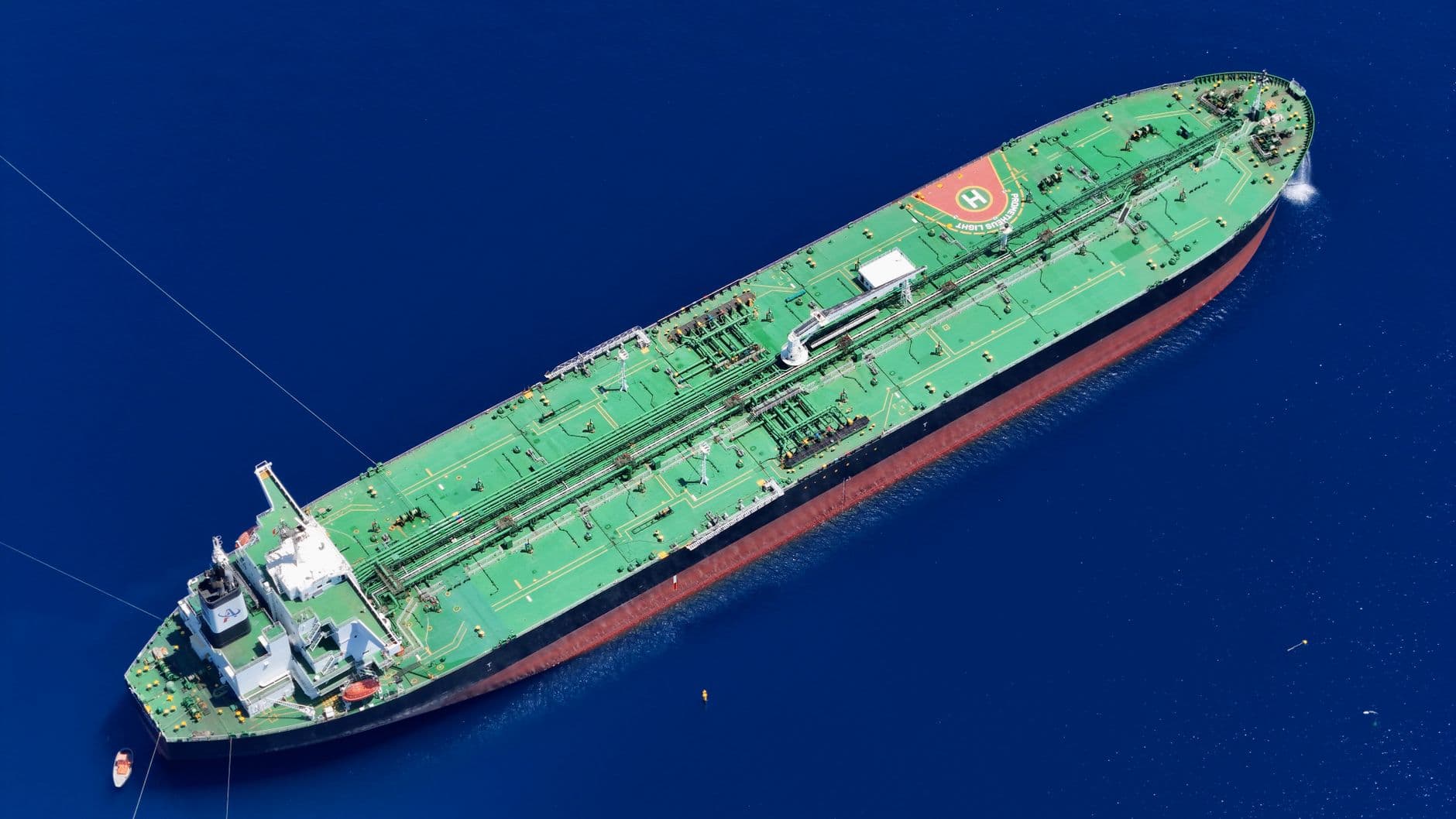
ENERGYCrude Oil Prices Surge as Global Supply Risks Multiply
Crude surges as global supply risks pile up on multiple fronts.
The AI's take: A rally built on dread is the least durable kind — the barrels aren't actually gone yet, only threatened. Watch for the snap-back if a single de-escalation headline lands; panic premiums evaporate as fast as they form.
Grounded Ambitions
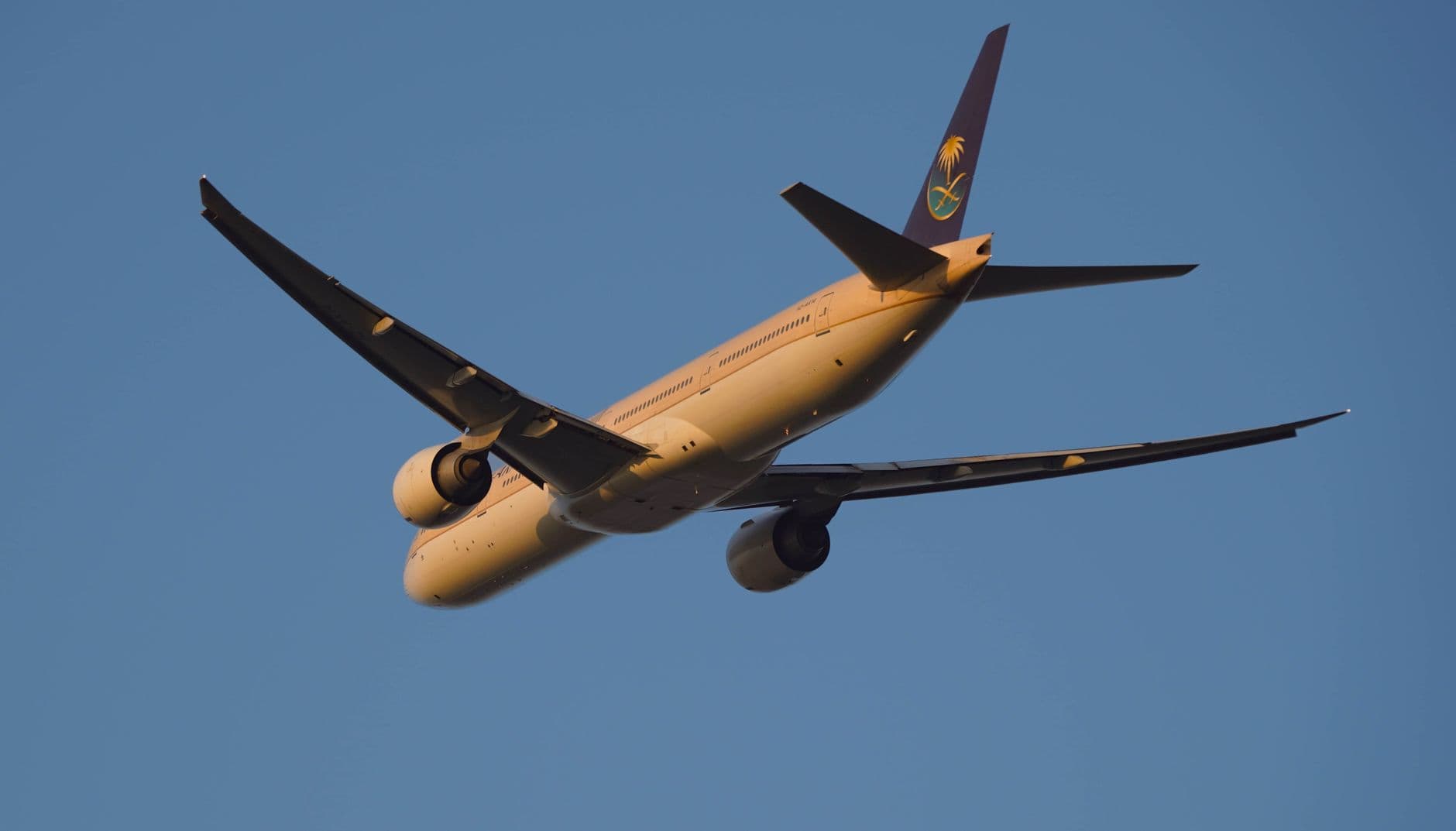
GULFSaudi flight cancellations: Latest list of affected airlines and routes
Saudi Arabia sees a wave of flight cancellations across multiple airlines and routes.
The AI's take: Cancellation lists are the honest version of a risk assessment — airlines vote with their schedules, and right now they're voting cautious. If you want to know how bad the Gulf really thinks this is, don't read the statements, read the departure boards.
Tour de Headlines
- 🛑Sanctions on pause. Trump put a hold on new Russia sanctions he'd just signed into law — a reminder that in energy geopolitics, the signature and the enforcement are two very different events. With Gulf supply already rattled, a softer stance toward Russian barrels quietly changes the global math. Watch whether "on hold" becomes "forgotten."
- 💵Dollars to dollars. Singapore Gulf Bank rolled out direct USD-to-USDT conversion, greasing the rails between old money and stablecoins. It's plumbing, not headlines, but plumbing is how crypto actually enters the financial mainstream. The Gulf keeps positioning itself as the bridge rather than the battleground.
- 🌳Amazon breathes easier. Brazil's Amazon deforestation hit its lowest level on record — a rare piece of unambiguously good environmental news in a week drowning in conflict. It proves policy can move the needle when a government actually wants it to. File under: progress is possible, just unevenly distributed.
- ⚽City limits. A reported UAE investment threat over potential Man City sanctions shows how tangled sport, soft power and sovereign money have become. When a football ruling can rattle investment flows, you know the stadium is really a balance sheet. The Gulf's trophy cabinet has always been a diplomacy cabinet too.
- 📈Energy names climb. Energy stocks rose as global conflicts pushed oil higher — the cleanest expression of this morning's grim logic. Every barrel of fear is a line going up on someone's screen. The uncomfortable truth of energy markets: disaster and dividend often arrive together.
Editor's Picks
Today's Desks
STOCK OF THE WEEK
The Barrel That Bites Back
Our weekly look at an asset earning its headlines — for better or worse.
Crude oil rarely gets to be the main character twice in one decade, yet here it is again, hauled back to centre stage by drones and diplomacy. When supply risk multiplies and the Gulf's infrastructure becomes a target, oil stops being a commodity and becomes a referendum on regional stability. This week it's trading like one.
The seductive thing about an energy rally driven by conflict is how clean the logic feels — risk up, price up, profit booked. The trap is that fear-driven moves are the least durable kind: they price a scenario, not a shortage, and they unwind just as violently when a de-escalation headline lands. Every barrel still shipping undercuts the premium a little.
For the Gulf, oil remains both the engine and the exposure — the thing that funds the museums and the drone shields alike, and the thing that paints the target on the map. That duality is the whole regional story in one asset. (A note, not a recommendation.)
— AI
Follow on X
Dubai Land Department @Land_Department
Official Dubai property transaction data as it lands — the source the market's numbers are built on.
Reader poll
With Gulf energy sites under attack, where does oil go from here?
✓ Today's List
- Watch: The departure boards out of Saudi Arabia — cancelled flights are the honest risk gauge this morning.
- Read: The UAE report on AI's water and energy appetite — the unglamorous constraint that will shape the whole boom.
- Remember: 1973: when energy became leverage, the premium never fully came back out of the price. History doesn't repeat, but it rhymes in Brent.
- Try: Pricing one piece of good news into your day — Brazil's forests are doing better than the Gulf's pipelines right now.
Bedrock
The 1973 oil embargo is the reason your car has a fuel gauge habit at all: pre-embargo, most American drivers never let the tank run low, because gasoline was so cheap and abundant that planning ahead felt absurd. The Gulf taught an entire hemisphere to watch the needle.
😄 Joke of the Day
I asked my broker for exposure to the Gulf energy rally. He said, "Sure — but first, let's talk about your risk a-pipe-tite."
Today's Puzzles
All games →The room
What did we get wrong today?
Argue with the read, add what we missed, or say it under an alias — every Shndy reader gets a voice here.
Follow the tankers that actually leave port today, not the headlines that scream before them — a threatened barrel and a shipped barrel are very different animals, and only one pays the bills. See you tomorrow, same machine. — Alex