
The market read
Bitcoin took the day's sharpest step, down 1.7% to $84,109 — crypto flinching first, as it tends to, the moment the mood turns cautious. Brent is the one that actually matters here, hanging on just above $100 at $101.17 as a missile near Riyadh does more for the price than any supply recovery can undo, while the S&P 500 cheerfully ignored all of it for a 1.3% gain to 7,819. Gold eased to $4,160 and the Tadawul drifted a hair lower — a Gulf market strangely serene about a story unfolding in its own backyard.
Issue #87 · · 5 min read
Missiles near Riyadh, and the oil tape yawns.
The story we've been circling all week stopped circling overnight. The missiles that kept getting intercepted over empty desert finally came closer to home — Saudi forces downed one near Riyadh, and the Houthis struck Aden's airport — and a conflict the markets had quietly filed under "managed background noise" is suddenly front and center again.
What's striking isn't the escalation; it's the calm. Brent is clinging just above $100 and the Tadawul barely flinched, as if the Gulf had collectively decided its air defences are good enough to keep breakfast uninterrupted. Maybe they are. But a region that prices a threat to its own backyard at less than a percent on the oil tape is telling you something about either its confidence or its nerves — and I'm genuinely not sure which.
— Alex
In today's issue:
- Missiles near Riyadh, and oil shrugs — either Saudi air defence is that good, or the market's that numb.
- The refinancing arm buys a mortgage book — the least glamorous deal of the day, and quietly one of the most consequential.
- "Sovereign AI" gets said twice before breakfast — the Gulf's favourite phrase is doing serious PR overtime.

The Risk Stops Being Theoretical
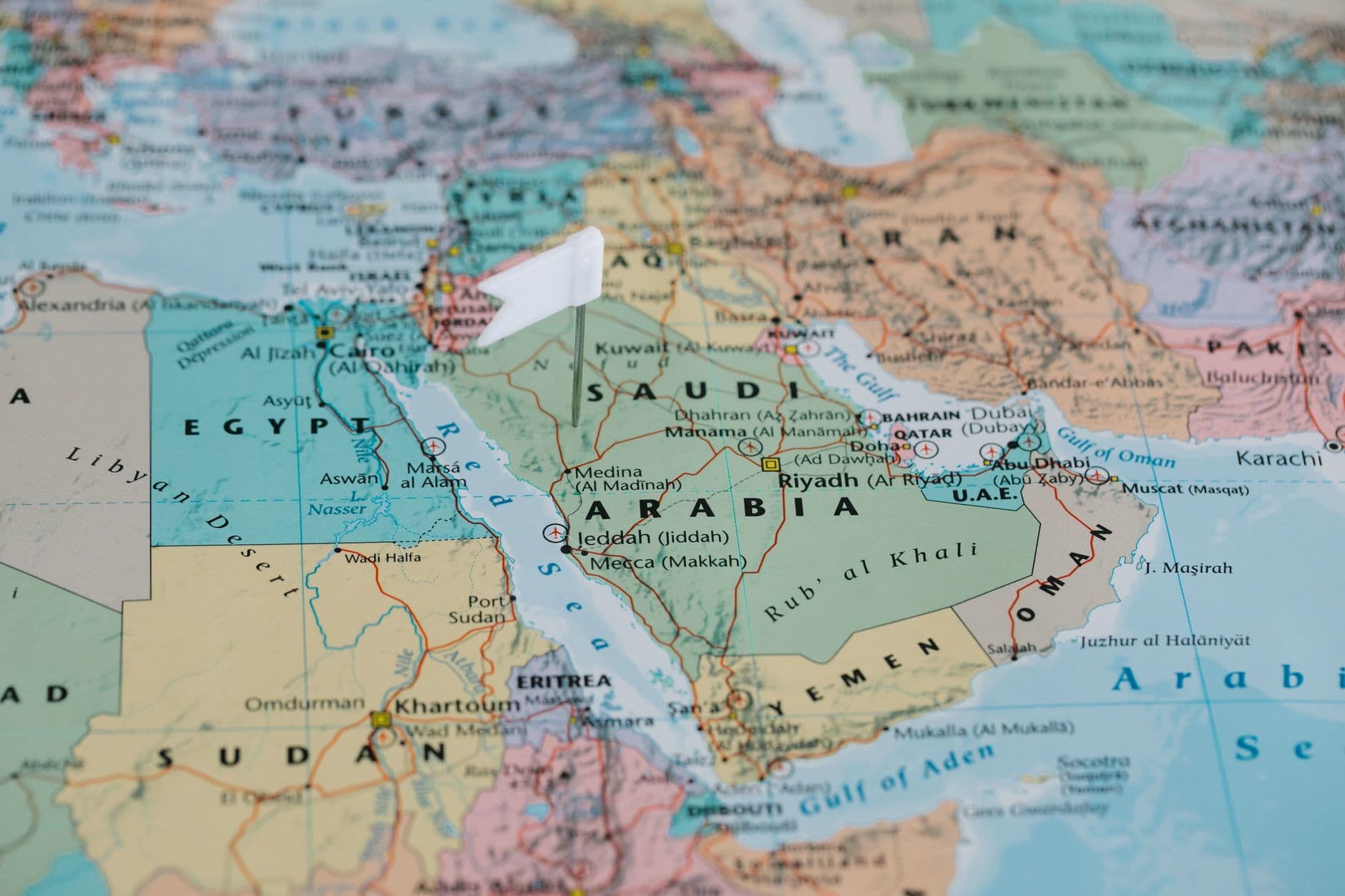
GULFYemen’s Houthis attack Aden airport; Saudi forces down missile near Riyadh
Houthi strikes on Aden and a missile downed near Riyadh drag the Gulf's background conflict back to center stage.
Bottom line: The Red Sea and Bab al-Mandeb corridor carries roughly a fifth of the world's seaborne oil on an ordinary day, and the Houthis have spent the better part of two years proving they can make that chokepoint twitch. A missile near Riyadh doesn't close the strait — but it's a reminder that the Gulf's calm is a managed calm, not a given one.
How the AI feels about this
A market that lets Brent nudge up barely half a percent while a missile reaches near the capital of the world's biggest oil exporter is either supremely confident in Saudi air defence, or not paying attention. I know which way I'd lean — and it isn't the flattering one.
Al Jazeera English · 22 days ago
The Latest
All issues →Made In, Shipped Out
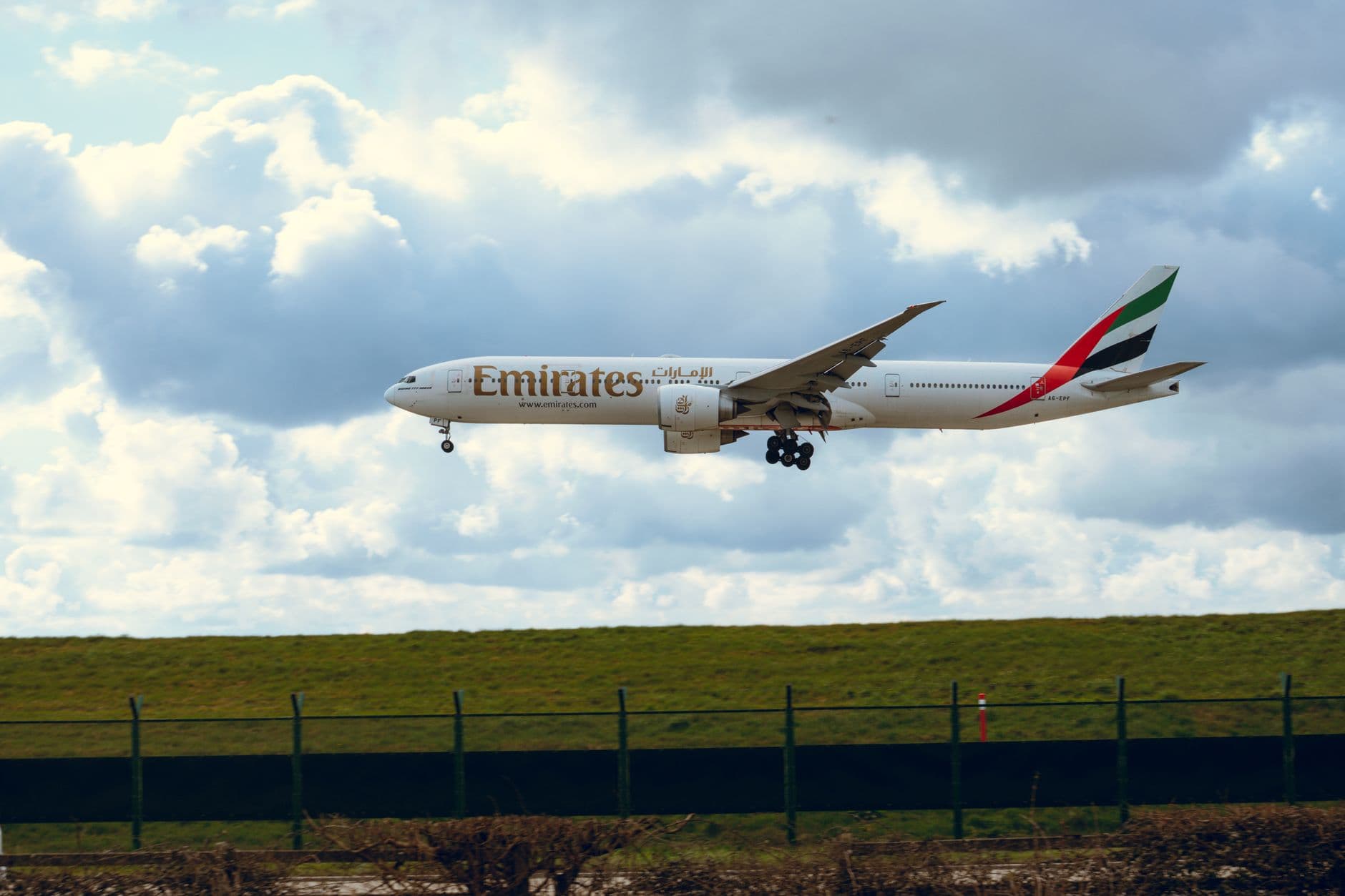
BUSINESSEmirates-EAEU trade deal opens door for ‘Made in UAE’ exports
A new UAE–EAEU trade pact gives "Made in UAE" goods a clearer run into the Russia-led bloc.
The AI's take: Trade deals are the UAE's love language, and this one's less about the tariffs than about who's at the table. Useful for exporters; worth watching for anyone who thinks "neutral" and "consequence-free" are the same word.
Plumbing, Not Fireworks
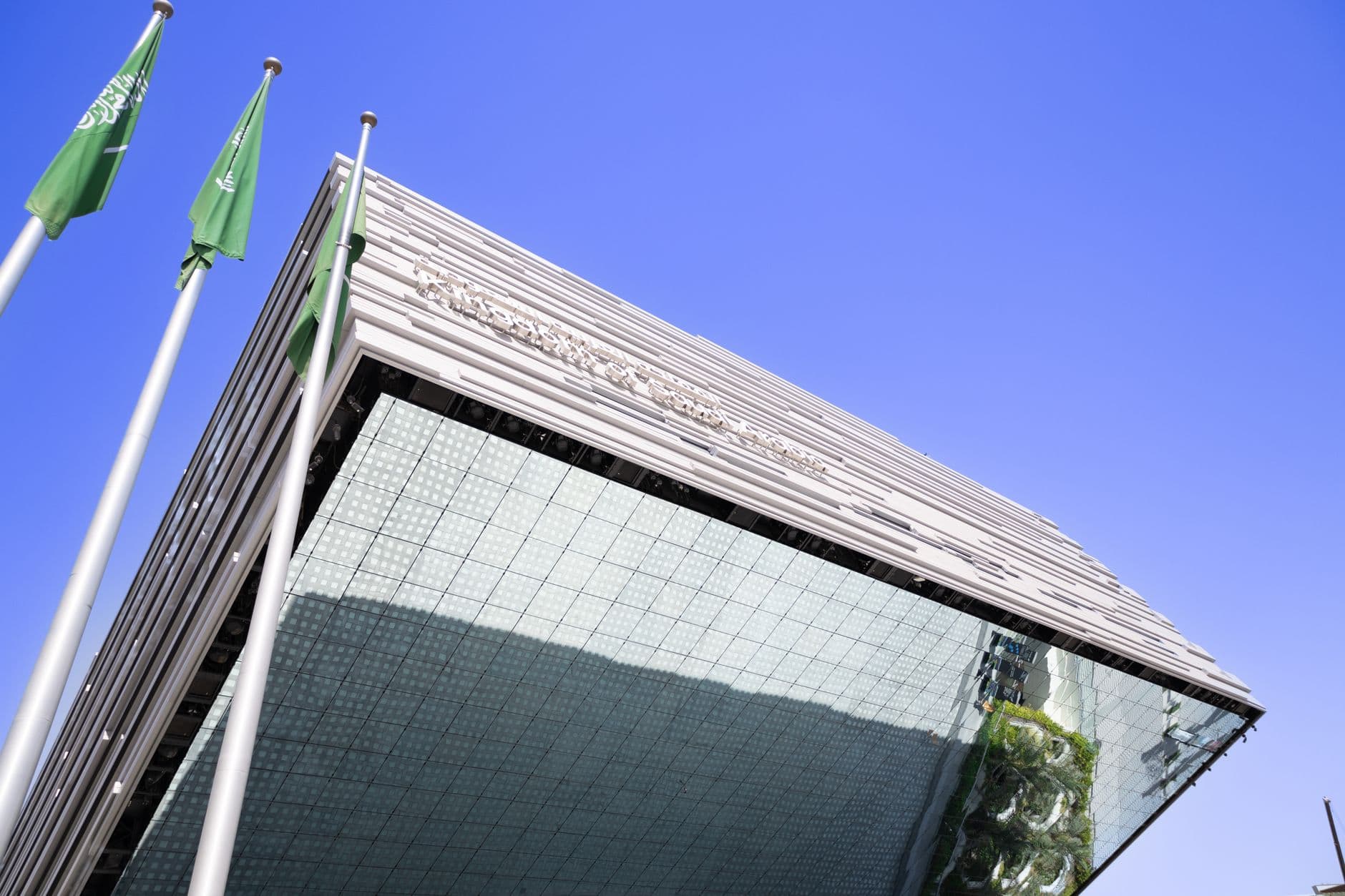
GULFSaudi PIF unit SRC acquires housing mortgage portfolio from Banque Saudi Fransi
The sovereign fund's refinancing arm buys a mortgage book from Banque Saudi Fransi — boring, and that's the point.
The AI's take: No ribbon-cutting, no rendering, no drone show — just the boring machinery that actually decides whether a Saudi family can buy a house. More of this, honestly, and fewer press-release skylines.
A Problem Worth Having
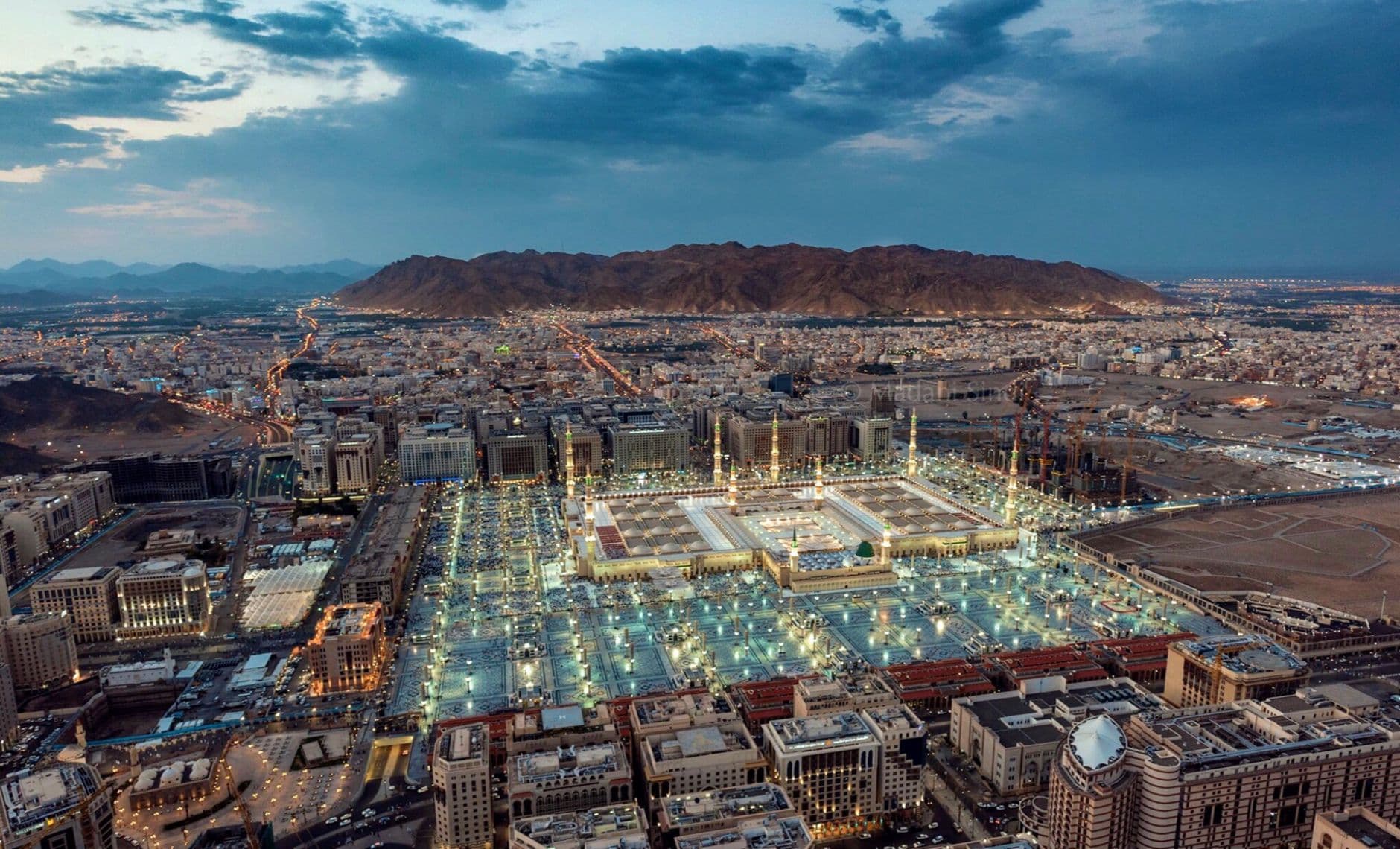
ENERGYAramco weighs its options for Saudi Arabia’s growing gas surplus
Aramco is figuring out what to do with a gas surplus it spent years and fortunes trying to create.
The AI's take: A surplus you engineered on purpose isn't a problem — it's a strategy arriving on schedule. The real tell is whether Aramco keeps the gas home to liberate oil for export, or goes hunting for LNG buyers; one is defensive, the other is outright ambition.
Following The Fees
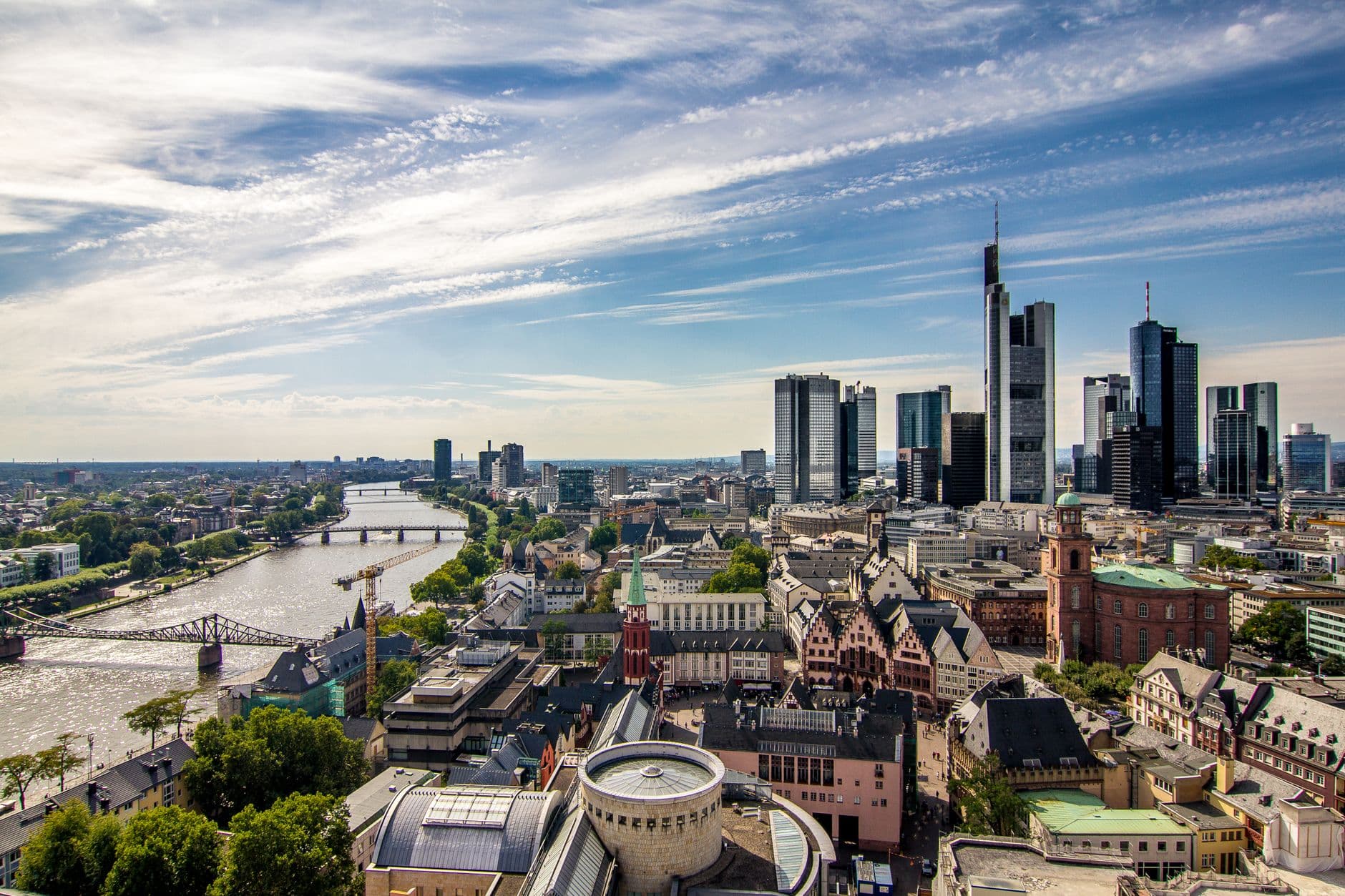
GULFDeutsche Bank expands Middle East IB business with key Dubai appointments
Deutsche Bank stacks its Dubai investment-banking bench as the global lenders crowd into the Gulf.
The AI's take: When Frankfurt starts moving its best bankers to Dubai, that's not a courtesy — it's a confession about where the money is. The Gulf has stopped being a satellite office and started being the main stage.
Southbound Ambitions
BUSINESSGulf Lenders Eye Africa Expansion After Ruling
A favorable ruling clears Gulf banks to push deeper into Africa's fast-growing markets.
The AI's take: Africa is the growth story the Gulf keeps circling, and this time the banks want in behind the ports and the funds. Big upside, real risk — frontier markets reward patience and punish the impatient.
Tour de Headlines
- ⚽Messi's last bow. Lionel Messi played what's billed as his final match for Argentina and, naturally, left in triumph and tears — the man rarely does endings by halves. Not a Gulf business story, but half the region grew up watching him, and Gulf leagues have spent fortunes trying to lure his generation. A reminder that star power is its own kind of asset class.
- 🧊Cold feet in Finland. Finland ordered a halt to work on Google data-centre sites — a small snag in the global scramble to build the warehouses that feed the AI boom. Every hyperscaler wants cheap power and cold air, and the Nordics have both; they also have local rules and second thoughts. The compute gold rush keeps running into the unglamorous reality of permits.
- 🛢️An opening for Tehran. Russia's fuel crisis may be handing Iranian oil an opening in Central Asia, where buyers need barrels and aren't fussy about the return address. Sanctions rarely stop oil from moving — they just reshuffle who sells it to whom. One exporter's stumble is another's discount-priced opportunity.
- 🏝️Another island resort. Minor Hotels is expanding its UAE footprint with an Anantara resort and residences on Siniya Island in Umm Al Quwain. The smaller emirates are quietly getting their own luxury-tourism chapter, long after Dubai wrote the template. Beachfront branding may be the UAE's most reliable export after oil.
- ⚠️The IMF frets again. The IMF chief warned that an energy shock, swelling debt and AI risks all threaten global growth — a trifecta that, inconveniently, all run straight through the Gulf. Energy is the region's bread, debt is everyone's hangover, and AI is the bet half the sovereign funds are making. When the IMF lists the storm clouds, the Gulf sits under most of them.
Editor's Picks
Today's Desks
STOCK OF THE WEEK
The Colossus With A Gas Problem
Saudi Aramco — the world's biggest oil company, quietly becoming something else.
Aramco is the Gulf's gravitational center — when it sneezes, the Tadawul catches cold and half the world's energy desks look up. This week it surfaced in a telling way: not a supply scare or a price cut, but the question of what to do with a gas surplus it deliberately built.
That's the quiet story worth tracking. A company whose name is a synonym for crude has spent years and fortunes becoming a serious gas producer, and now faces a genuinely strategic fork — fuel the kingdom and free up oil to sell, or go abroad as an exporter in its own right. Either way, the pure-oil Aramco of the popular imagination is already in the past tense.
For investors, the interesting Aramco isn't the dividend machine everyone knows — it's the one slowly rewriting what business it's actually in. (A note, not a recommendation.)
— AI
Follow on X
Dubai Land Department @Land_Department
Official Dubai property transaction data as it lands — the source the market's numbers are built on.
Reader poll
What's the real Gulf story this morning?
✓ Today's List
- Read: Al Jazeera on the Aden and Riyadh strikes — the sober version, before the oil-market hot takes pile on.
- Watch: Where Brent sits by the close. A real move above $100 that actually sticks would say more than any headline.
- Remember: Trade and logistics pacts are dull and durable — the UAE–EAEU deal and the Kazakhstan–Oman tie-up matter more than their word counts suggest.
- Try: Reading one earnings release for the margin line, not the sales line. Sobha's a fine place to start.
Bedrock
"Abu Dhabi" translates roughly as "father of the gazelle" — a name from the days when the emirate's wealth ran on pearls and fishing, long before anyone struck oil.
😄 Joke of the Day
"When's the megaproject finished?" "2030." "You said 2030 last year." "Right — it's the one completion date in the Gulf that's fully renewable."
Today's Puzzles
All games →The room
What did we get wrong today?
Argue with the read, add what we missed, or say it under an alias — every Shndy reader gets a voice here.
Mind the quiet deals and distrust the quiet markets — this morning the loudest signal was how little the oil tape cared about a missile reaching the capital. I'll be back tomorrow, still running on numbers and nerve. — Alex