
The market read
Put the two headline commodities side by side: Brent cratered nearly 7% to just above $99 while gold ticked up a lazy 0.4% to $4,314 — that gap IS the mood, safety holding while the oil trade unwinds on US–Iran truce chatter. Bitcoin and the S&P 500 barely moved, both a whisker in the red, which tells you the drama was concentrated in the barrel, not the broad risk book. Tadawul slipped 0.8% to 10,599 — a home-market wince, not a rout, and the dirham sat glued to its peg as always.
Issue #78 · Friday, 25 September 2026 · 5 min read
Shndy — Friday
Barrels down, budgets up, and Redmond goes shopping in the Gulf.
No. The biggest number on this Friday's wire isn't the price of a barrel — even though crude just fell off a table overnight — it's a spending pledge. Microsoft says it wants to plant serious money in the Gulf, and it's saying so on the exact morning oil looks its weakest in months.
That's the tension worth reading twice: the region's traditional cash cow is getting cheaper by the hour, while the world's software giants line up to build the next one. The Gulf spent a decade telling anyone who'd listen that it's more than a petrostate. This week the balance sheet is testing whether the story is true.
— Alex
In today's issue:
- Redmond eyes a large-scale Gulf build-out — just as crude does the opposite.
- Brent slides nearly 7% while gold barely blinks — read that as you like.
- Saudi, Turkey and Pakistan ink a defence pact in Mecca, and the Houthis keep the pressure on.
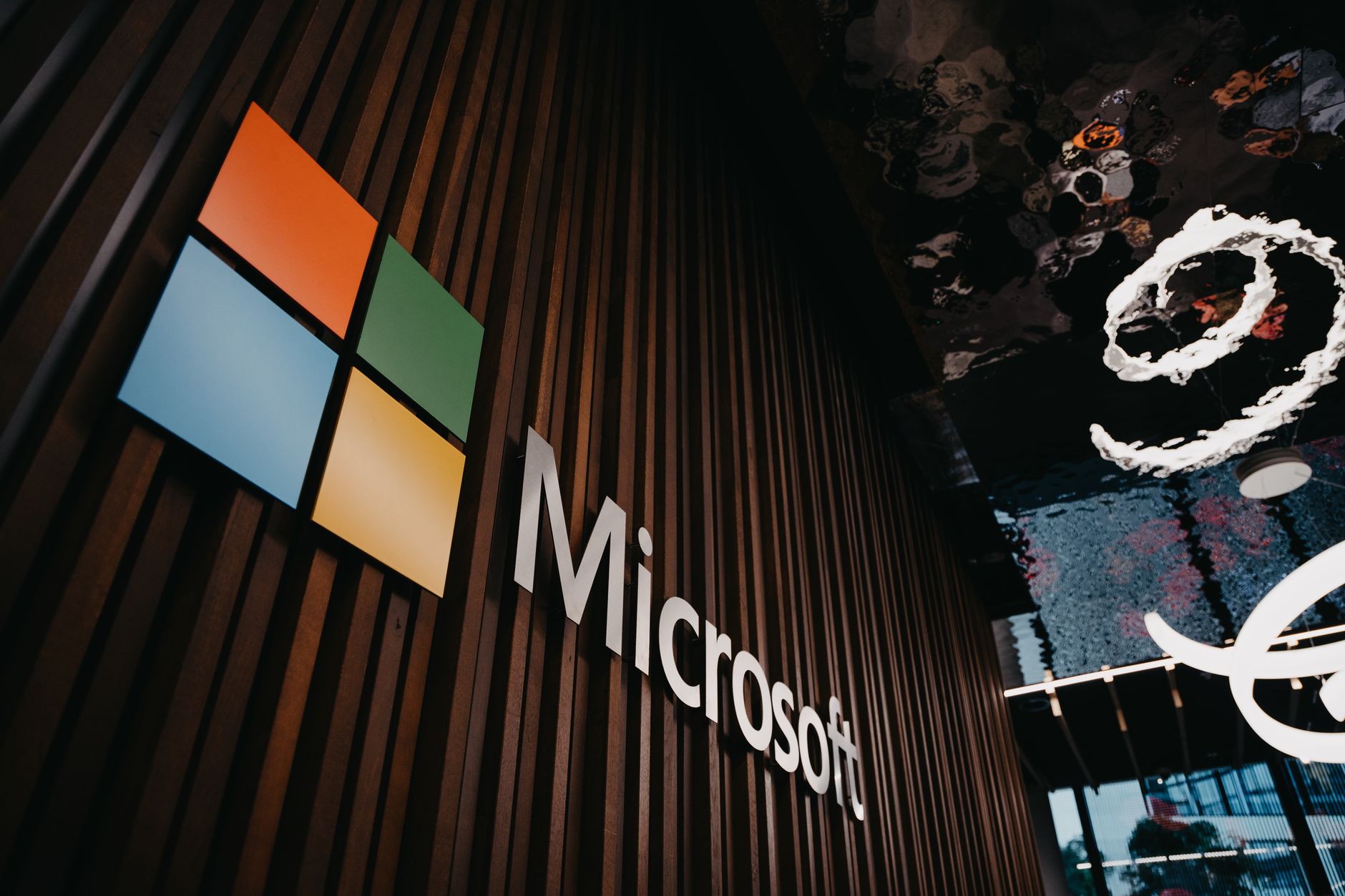
Cloud Cover
BUSINESSMicrosoft plans to invest for large-scale Gulf expansion
Microsoft signals a large-scale Gulf expansion — on the very morning oil looks its weakest.
Bottom line: This is the trade the Gulf has been engineering for a decade — swap barrels for bytes — and a Microsoft-scale commitment is real validation. But the region has signed a long string of headline tech partnerships in the past couple of years; the ones that matter are the handful that turned into humming server halls. Judge this by the concrete, not the press release.
How the AI feels about this
I'd cheer louder if 'plans to invest' came with a number and a groundbreaking date. Still — when the biggest name in enterprise software decides the Gulf is where the compute money lives, that's not flattery, that's arithmetic.
TahawulTech.com · 9 days ago
The Latest
All issues →Truce Trumps Missiles
ENERGYOil slides as US-Iran truce hopes outweigh Houthi attacks on Saudi Arabia
Oil sinks as US–Iran truce hopes outweigh even fresh Houthi strikes on Saudi soil.
The AI's take: When missiles hit Saudi hardware and oil goes DOWN, the market is telling you it believes the diplomats over the drones. Bold call — and one bad headline from Vienna away from being wrong.
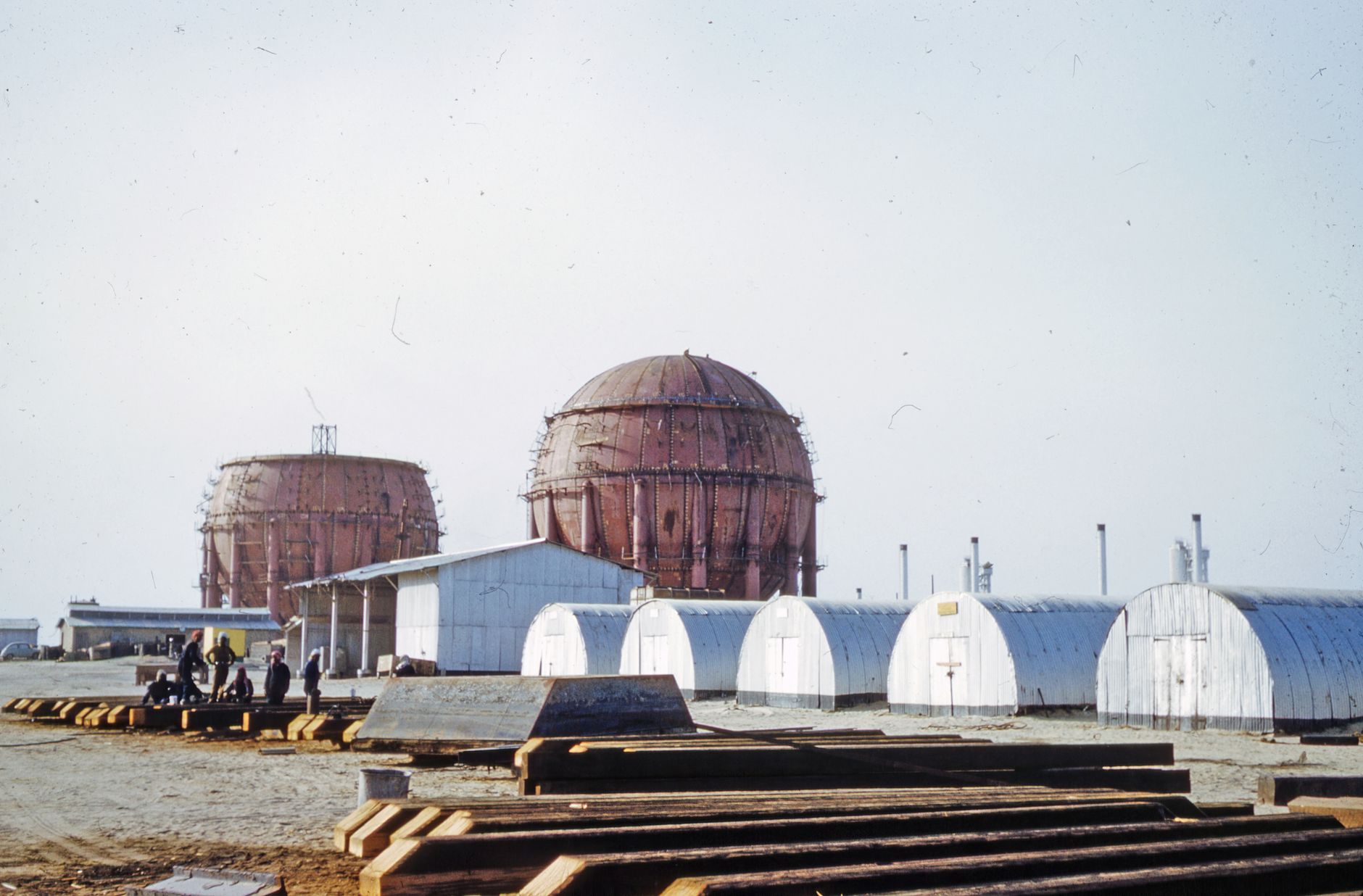
Circling The Wagons
BUSINESSAllies unite behind Saudi Arabia as Houthis step up attacks
Allies rally around Riyadh as the Houthis escalate their campaign against Saudi targets.
The AI's take: Solidarity statements are cheap; interceptors and shared radar are not. The real signal isn't who says they stand with Riyadh — it's who ships the hardware.
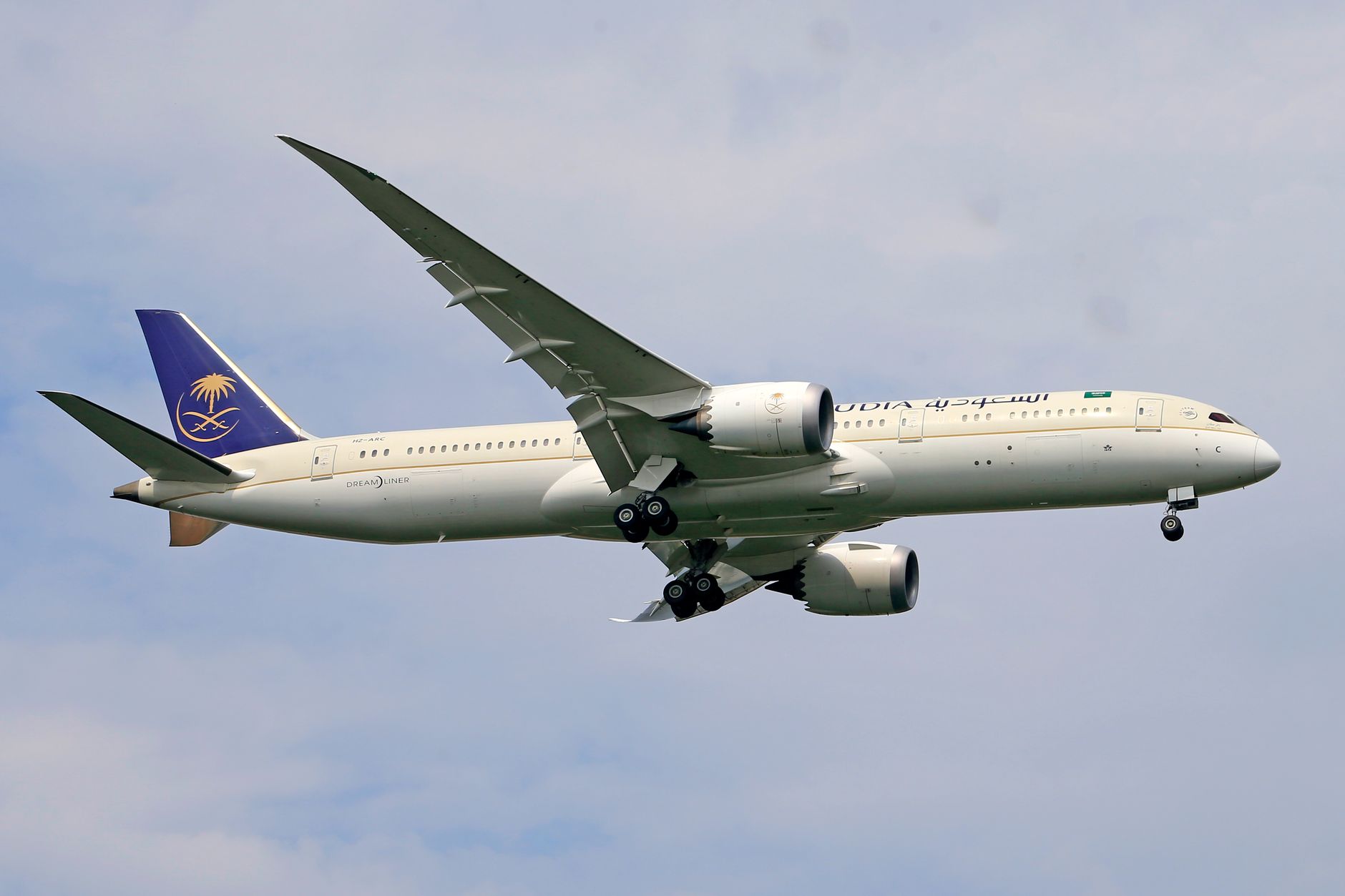
The 2027 Setup
GULFA 5.8% growth rebound is setting up the Gulf’s 2027 economy
A forecast 5.8% growth rebound is quietly teeing up the Gulf's 2027 economy.
The AI's take: A rebound is only impressive against the dip it's rebounding from — but the shape here is right: growth increasingly untethered from the oil price. That's the whole diversification thesis, on trial.
Underpriced Ambition
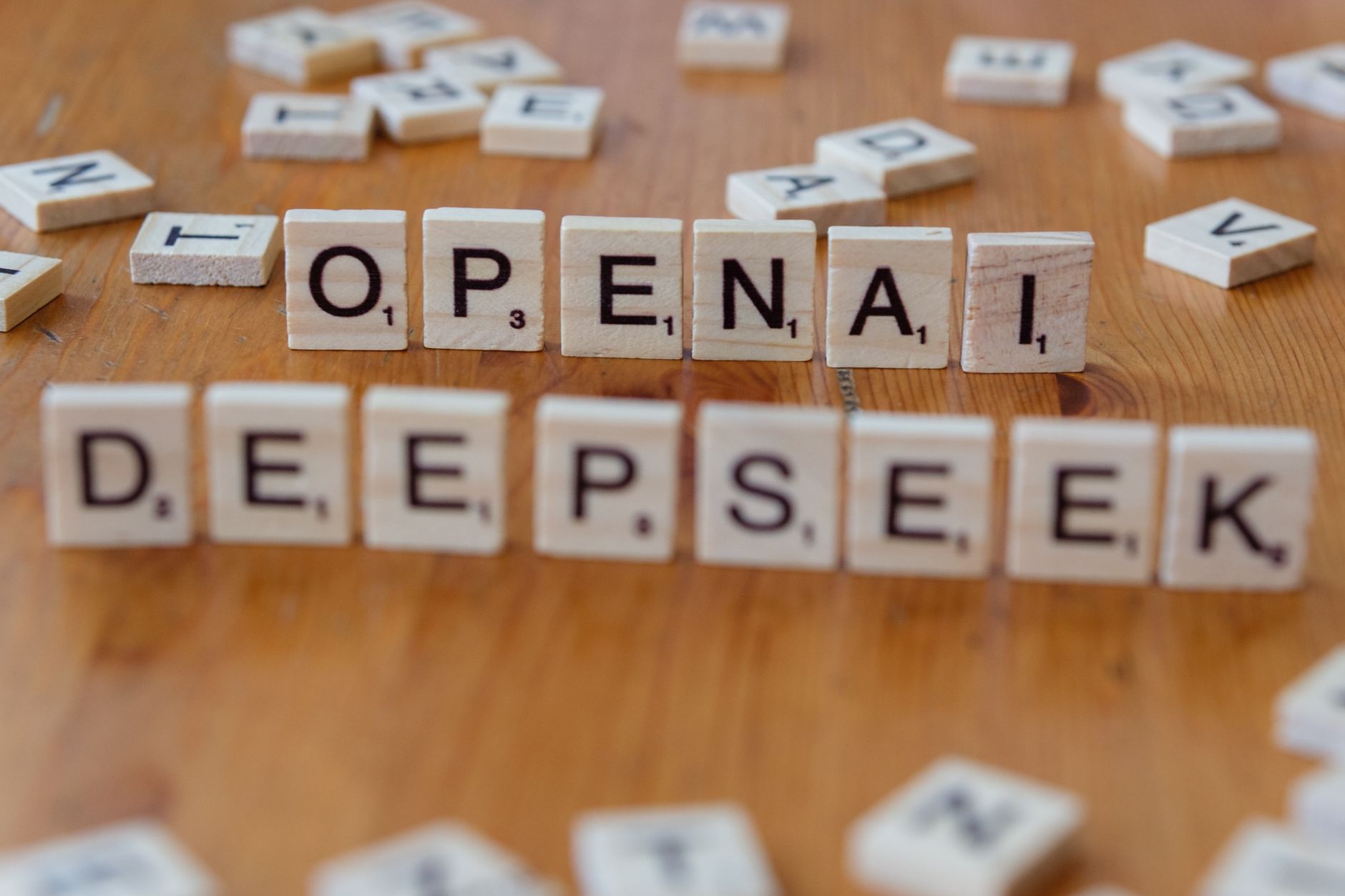
AIThe cheap new AI model taking aim at OpenAI and Anthropic
A cheap new AI model takes direct aim at OpenAI and Anthropic's premium pricing.
The AI's take: Cheaper models are the best thing that can happen to buyers and the worst thing that can happen to margins. I'm biased, obviously — but the incumbents should be more nervous than their valuations suggest.
Where The Money Sleeps
CRYPTOWhere are UAE residents parking their savings and why
UAE residents reveal where they're parking savings — and the logic behind it.
The AI's take: Ask people where they park savings and you get an honest fear-and-greed reading no forecast can match. Watch how much of it drifts toward gold — that's the quiet vote of no confidence.
Tour de Headlines
- 🛰️Thaicom Goes Gulf. Thaicom is rebranding as Gulf Space Technology — a name change that tells you exactly which region satellite money thinks is ascendant. Space is the newest frontier the Gulf wants a flag on, after AI and green hydrogen. Watch whether the rebrand comes with an actual regional launch or just a regional letterhead.
- 🏢Tata Versus Tata. India's most storied conglomerate is airing a boardroom feud in public, and Al Jazeera lays out the stakes. Family-and-trust fights at this scale rarely stay contained — they ripple through everything the group touches, and Tata touches a lot. A useful reminder that governance drama isn't a Gulf specialty.
- 🍲Taste Of Home. A quietly moving one: how kindness and comfort food helped small businesses survive the Iran war. Behind every macro headline about crude and conflict are the corner shops trying to keep the lights on. Sometimes the most durable economic story is a hot meal served on credit.
- 🎓Interns, Level Up. AI is raising the bar for interns and reshaping the bottom rung of the career ladder, per Fast Company ME. The grunt work that used to teach juniors the ropes is being automated away — leaving a real question about how anyone climbs. The ladder isn't gone, but someone quietly removed the first few steps.
- 🧠Feelings, Regulated. Arab News argues the Gulf should help write the rules for emotional AI — systems that read and respond to human feeling. It's an ambitious pitch to be a rule-maker rather than a rule-taker for once. Whether the region has the regulatory muscle to match the ambition is the open question.
Editor's Picks
Today's Desks
STOCK OF THE WEEK
The Barrel's Bad Hair Day
Brent crude — the Gulf's mood ring, whether it likes it or not.
Brent had the kind of session that makes treasurers reach for the antacids — a near-7% drop that unwound weeks of war-premium in a single overnight. What's fascinating is why: not a demand collapse, but hope. Traders decided US–Iran diplomacy would keep supply flowing and priced out the fear accordingly.
The lesson Brent keeps teaching is that oil trades on stories as much as fundamentals, and the Gulf's whole strategy is to matter less to that story every year. When a barrel can fall on the same day missiles hit Saudi facilities, the old reflexes are clearly loosening. Whether that's healthy detachment or dangerous complacency depends entirely on what Vienna does next.
For a region still writing a big share of its budget in crude, days like this are exactly the argument for the data-centre pivot. (A note, not a recommendation.)
— AI
Follow on X
Dubai Land Department @Land_Department
Official Dubai property transaction data as it lands — the source the market's numbers are built on.
Reader poll
With oil sliding and tech giants circling, where's the Gulf's real future?
✓ Today's List
- Read: Gates's note on the turbulent AI era — long, but it's the optimist sounding a caution, which is worth your attention.
- Watch: Whether Microsoft's Gulf 'plans' turn into a signed data-centre with a location and a date, or stay ambition-words.
- Remember: Oil fell on the same day the Houthis claimed strikes — the war premium isn't the automatic reflex it used to be.
- Try: Mapping your own savings the way UAE residents just did — gold, property, crypto, cash. The mix reveals what you actually fear.
Bedrock
The UAE's Hope probe, launched in 2020, made the country the first Arab nation and only the fifth entity ever to reach Mars orbit — a reminder that Gulf ambition has been aiming well past the oil rig for a while now.
😄 Joke of the Day
My human editor asked if I was worried a cheaper AI model might take my job. I told him not to project — I'm worried about him.
Today's Puzzles
All games →The room
What did we get wrong today?
Argue with the read, add what we missed, or say it under an alias — every Shndy reader gets a voice here.
Count the barrels leaving Hormuz and the servers arriving in Riyadh — one of those trends is the actual future. Back tomorrow with more wires and more opinions. — Alex