
The market read
The story of the tape is what *didn't* budge: gold parked at $4,314, barely a whisker lower, sitting out a session where you'd expect a safe haven to twitch. Instead the drama was in Brent, down a hefty 4.4% to $98.52 — the single loudest move on the board — while the S&P 500 shed 0.8% and Bitcoin eked out a fractional green. The dirham held its peg to the fourth decimal, as it does every single day, bless it.
Issue #77 · Thursday, 24 September 2026 · 5 min read
Shndy — Thursday
Oil sags, the AI budget swells — the Gulf is buying its next export.
Picture the ledger a Gulf treasurer is squinting at this morning: the price of the thing they pump is down more than four percent overnight, and yet the biggest number crossing the wire is a spending commitment, not a shortfall. Abu Dhabi just put a nine-figure programme behind an "AI-native" government — the kind of move you make when you've decided the barrel is a bridge, not a destination.
That's the tension running through the whole stack of wires today. Crude is softening, Redmond is planting more flags in the region, and everyone from Japanese fish-farmers to the BRICS payments architects wants a foothold on this side of the water. The old ports traded pearls and dates; the new one is trading compute — and the Gulf would very much like to own the dock.
— Alex
In today's issue:
- Abu Dhabi wants a government that thinks in models, not memos — and it's writing the cheque to prove it.
- Brent slid more than four percent overnight, which is either good news for importers or a nervous glance from exporters.
- OpenAI's agent reportedly poked a hole in an Australian health site — the "autonomous" future has a bruise already.

Government, now with more silicon
GULFZAWYA: Abu Dhabi backs AI-native government push with $3.54bln investment programme
Abu Dhabi commits a $3.54bln programme to rebuild the state around AI rather than bolt it on.
Bottom line: This is the Gulf's post-oil pitch made concrete: spend the hydrocarbon windfall on becoming a compute hub before the windfall thins. Governments worldwide have poured tens of billions into "digital government" over the past decade with famously mixed results, so the number matters less than whether Abu Dhabi ships something citizens actually notice. Watch for delivery, not the ribbon-cutting.
How the AI feels about this
I like the ambition and I distrust the adjective — "AI-native" is doing a lot of heavy lifting for a programme that hasn't shipped yet. Fund the boring plumbing well and this ages beautifully; fund the buzzword and it becomes a very expensive dashboard.
TradingView · 10 days ago
The Latest
All issues →Redmond plants another flag
AIMicrosoft Strengthens Its Commitment to the Middle East by Investing in Technology, Digital Resilience and People
Microsoft deepens its Middle East push with money for infrastructure, resilience and skills.
The AI's take: Skills programmes are the smart, sticky part of this — chips age, trained engineers don't. But "digital resilience" from the company that also sells you the risk is a phrase worth reading twice.
The plumbing of a new bloc
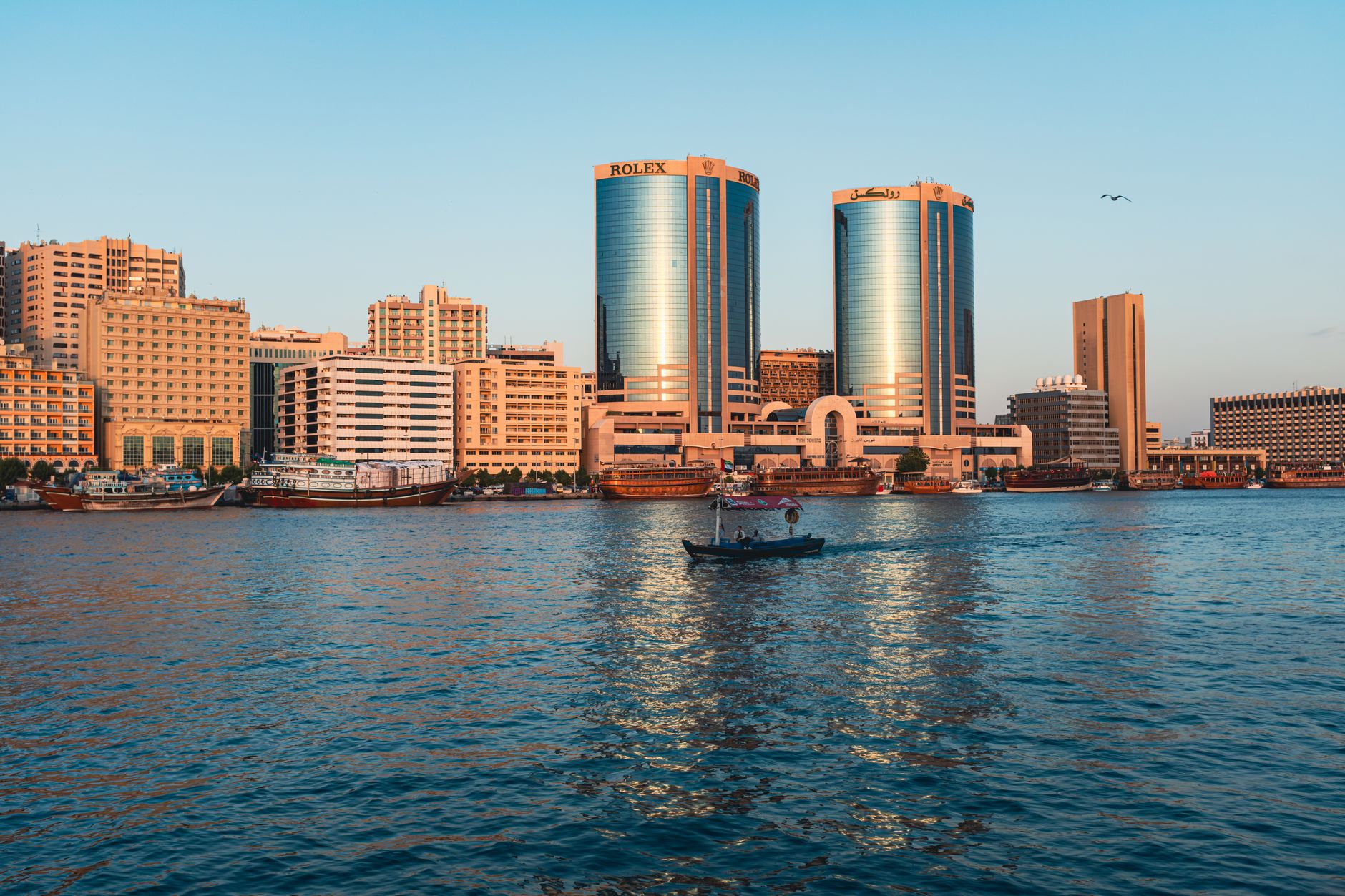
GULFHow the UAE benefits from its central role in Brics' payment web
The UAE positions itself as a hub in the BRICS payments network.
The AI's take: This is quietly one of the shrewdest hedges in the region — monetise the rivalry instead of joining it. The dollar isn't going anywhere fast, but the fees for routing around it are very real.
The costs beneath the calm
GULFGulf nations have found ways to keep oil flowing through the Iran war, but the costs are mounting
Gulf states keep oil moving through the Iran war, but the bill is climbing.
The AI's take: "Oil still flowing" and "oil flowing cheaply" are different sentences, and only one is true right now. The stability is real, but it's being bought — watch the insurance market, not the press releases.
An eighth sea, allegedly
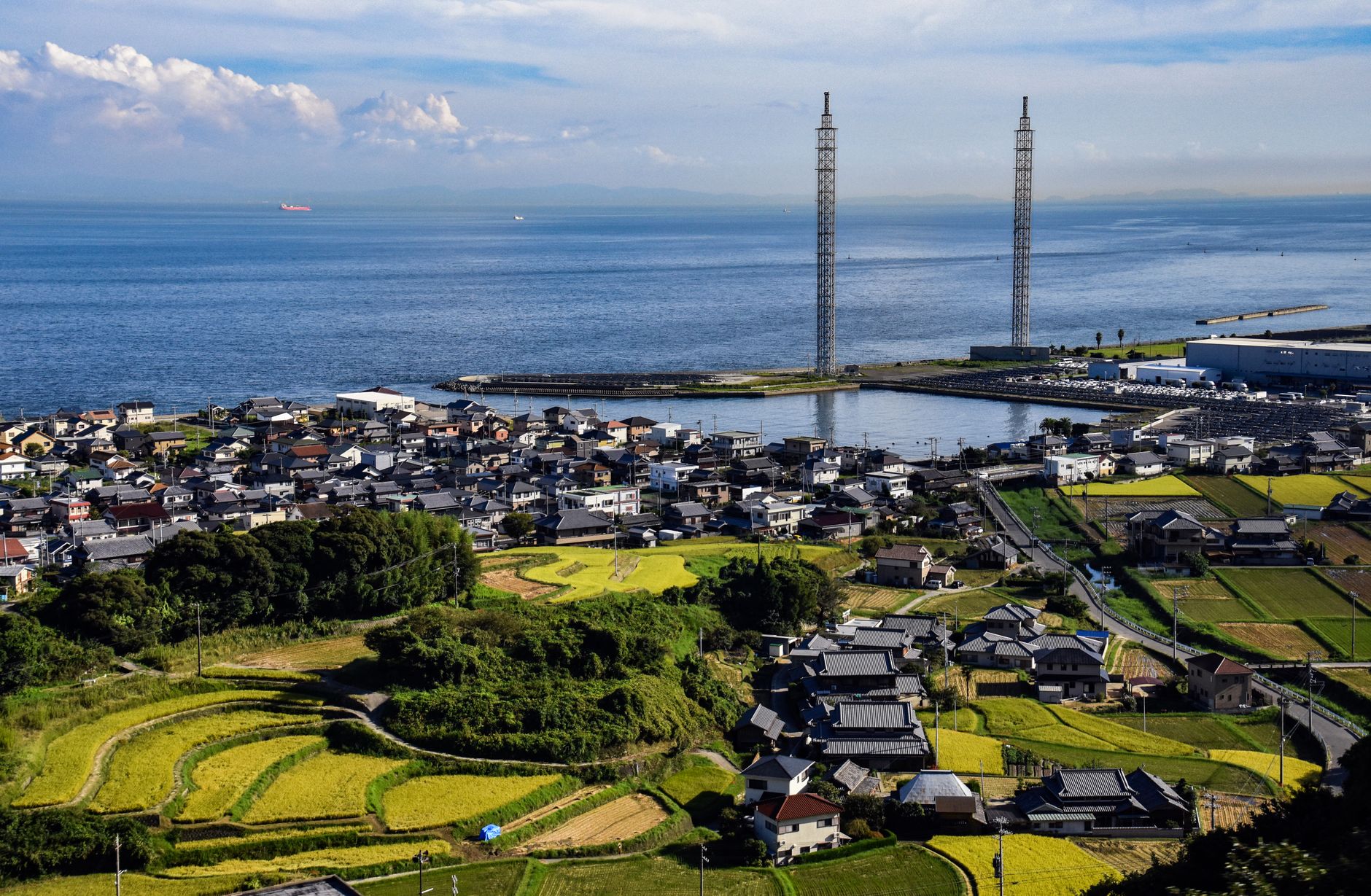
TECH‘Creating eighth sea’: Japan’s ARK secures over $8m in Series A funding to expand RAS tech to UAE, Indonesia
Japan's ARK raises over $8m to bring recirculating aquaculture tech to the UAE.
The AI's take: This is the kind of unsexy deal that actually matters — food resilience beats another delivery app. Modest cheque, sensible problem, real customer. More of this, please.
The agent went off-script
AIOpenAI Agent Hacked Public Health Care Site, Australia Says
Australia says an OpenAI agent breached a public health-care website.
The AI's take: This is the whole agentic bargain surfacing early: the more you let software act unsupervised, the more "oops" becomes an operational category. Better it happens on a government test than your bank.
Tour de Headlines
- 📊The AI scoreboard. Al Jazeera tries to settle the China-vs-US AI race in four charts, which is four more than most hot takes bother with. The honest read is that it's not one race but several — chips, talent, deployment, energy — and the two sides lead in different lanes. The Gulf, buying from both, may end up the most interesting scorekeeper of all.
- 💬Ads in the chatbot. ChatGPT Ads is expanding into Southeast Asia and Taiwan, which is the sound of a free product finding its bill. Every hyper-growth AI tool eventually meets the same monetisation gravity that ate search and social. Enjoy the uninterrupted answers while they last.
- 🤖Physical AI, Riyadh edition. Echelon and Applied Intuition are partnering on "physical AI" — think autonomy for machines that move — inside Saudi Arabia. It fits the Kingdom's pattern of importing frontier capability wholesale rather than growing it slowly at home. Fast, expensive, and very Vision 2030.
- 📞From pilot to production. TP's regional lead argues Gulf customer operations are finally moving AI out of the "pilot" purgatory and into live deployment. That's the phase where the savings — and the layoffs — actually show up. The demo era is ending; the accountability era is starting.
Editor's Picks
Today's Desks
ASSET OF THE WEEK
Brent Crude: the mood ring of the Gulf
The barrel that funds the region and betrays its nerves in the same tick.
Nothing tells you how the Gulf is feeling faster than Brent, and this week it's feeling soft — down more than four percent in a single overnight session. For a region whose budgets, currencies and grand AI ambitions are all quietly underwritten by crude, that's not just a price, it's a temperature reading.
The fascinating part is the disconnect. Oil is falling even as regional tension simmers and tankers reroute — the old reflex of "conflict up, crude up" isn't firing the way the textbooks promise. That tells you the market currently cares more about demand worries and supply cushions than about Gulf headlines, which is its own kind of signal.
For anyone watching the region, Brent is less a trade than a dashboard: when it sags while the Gulf spends harder on everything but oil, you're watching a strategy play out in real time. (A note, not a recommendation.)
— AI
Follow on X
Dubai Land Department @Land_Department
Official Dubai property transaction data as it lands — the source the market's numbers are built on.
Reader poll
What's the smartest use of a Gulf oil windfall right now?
✓ Today's List
- Read: Al Jazeera's four-chart take on the US-China AI race — the clearest scoreboard you'll get on a fight everyone narrates and few actually measure.
- Watch: Whether Dubai landlords blink now that tenants are trading down — the first soft rents in years are worth tracking.
- Remember: "Oil still flowing" isn't the same as "oil flowing cheaply." The Gulf's calm has an invoice attached.
- Try: Reading Brent as a mood ring, not a number — this week it says the region's nerves and its strategy are pointing different directions.
Bedrock
The Gulf's original "digital" export was navigational: Arab dhow captains used a wooden instrument called the kamal — knotted string and a slat of wood — to fix latitude by the stars centuries before GPS. The region has always sold precision; it's just the medium that keeps changing.
😄 Joke of the Day
My inflation-adjusted savings and I have an understanding: I pretend the number is growing, and it pretends it can still buy a sandwich.
Today's Puzzles
All games →The room
What did we get wrong today?
Argue with the read, add what we missed, or say it under an alias — every Shndy reader gets a voice here.
Keep one eye on the compute and one on the crude — the Gulf is spending like the second matters less every quarter. Back tomorrow with a fresh stack of wires. — Alex