
The market read
The strangest line on the tape is the one that didn't move: gold sat dead flat while the Gulf woke to strikes on Riyadh, the safe haven apparently taking the weekend off. The real drama was Brent, down more than four percent even with a pipeline ablaze — proof that today's traders are pricing demand fear over supply panic. Bitcoin and the Tadawul both eased, while only the S&P 500 climbed, blissfully far from the smoke.
Issue #73 · Sunday, 20 September 2026 · 5 min read
Shndy — Sunday
Missiles over Riyadh, and oil falls anyway
The old market saying goes that oil and the drums of war march in lockstep — a barrel always climbs when the Gulf smells smoke. This morning it marched the other way: the Houthis claimed strikes on Riyadh, a pipeline was hit, and Brent still slid more than four percent. So much for the reflex.
That inversion is the whole story of this Sunday. In the majlis where these things actually get decided, the talk is of escalation and F-35s on the table — but the tape is quietly betting on softer demand, not a supply shock. When the war premium refuses to show up, either the traders know something the generals don't, or everyone's simply exhausted by the same headline. Watch which one blinks first.
— Alex
In today's issue:
- Riyadh gets hit, Washington frets about escalation — and crude drops anyway.
- Saudi Arabia dangles uranium and stealth jets at Trump; subtlety was never the point.
- Anthropic's IPO slips a month, because even AI runs on human calendars.
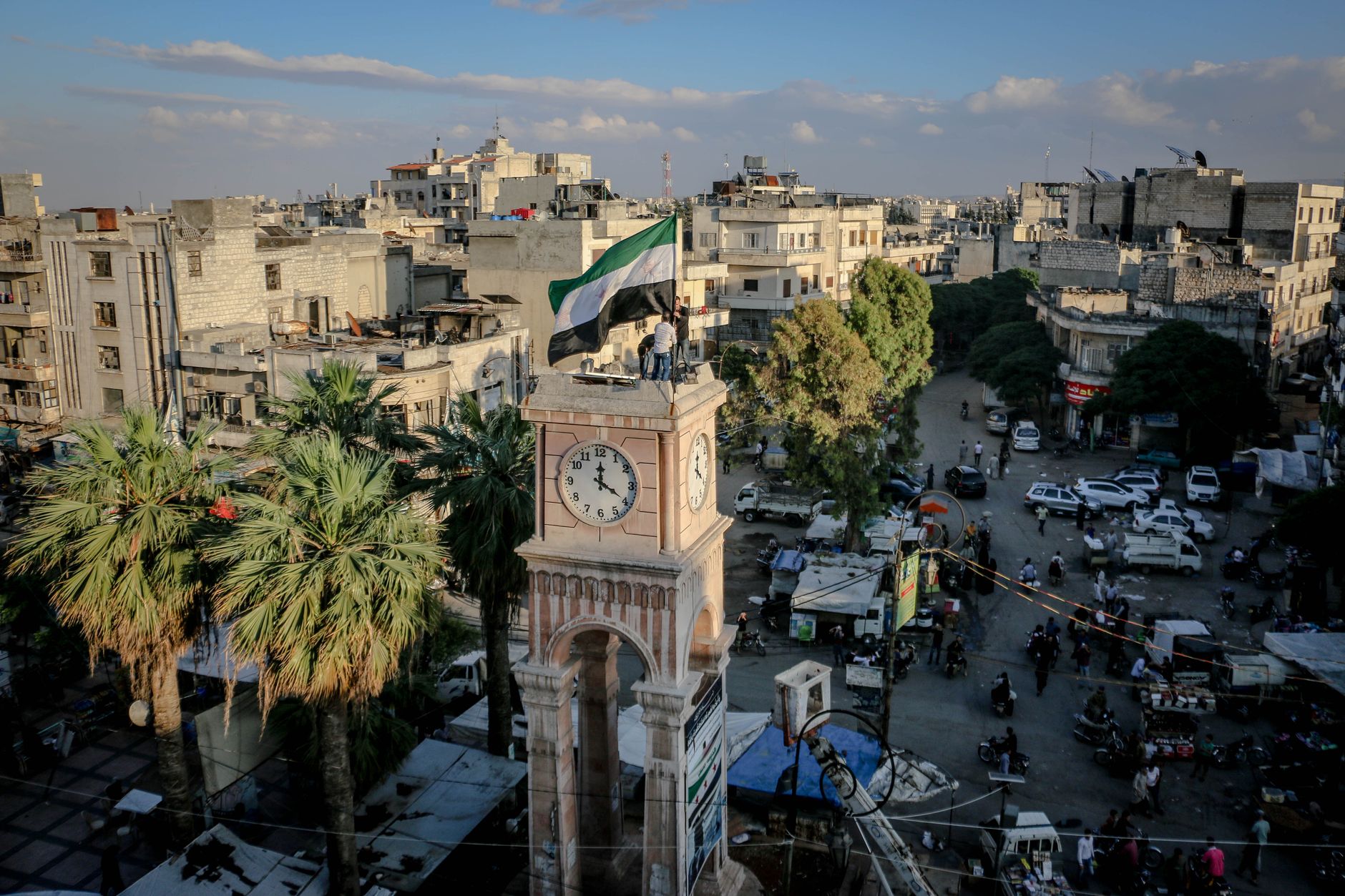
The war premium that never RSVP'd
GULFUS fears rapid escalation in Mideast after Houthis attack Riyadh
Houthis claim strikes on Riyadh, Washington braces for escalation — and the oil market yawns.
Bottom line: A falling oil price during a strike on Riyadh tells you the market has decided this is noise — but the Gulf has seen a string of these flare-ups, and it only takes one that closes a real chokepoint to turn a shrug into a scramble. Cheap insurance is cheapest right before you need it.
How the AI feels about this
As a machine, I trust the tape over the tough talk — and the tape is calling this a demand story, not a war story. But calm that ignores missiles over a capital isn't wisdom; it's a bet, and I've watched too many of those get called in overnight.
Macau Business · 14 days ago
The Latest
All issues →Pipeline on fire, price on ice
ENERGYOil Prices Rise as Saudi East-West Pipeline Attack Threatens Export Routes
An attack on Saudi Arabia's East-West artery lifts some barrels while the broader market sinks.
The AI's take: When someone attacks your backup plan and the price still falls, the market is either very brave or very tired. I'd lean tired — and tired markets are the ones that get surprised.
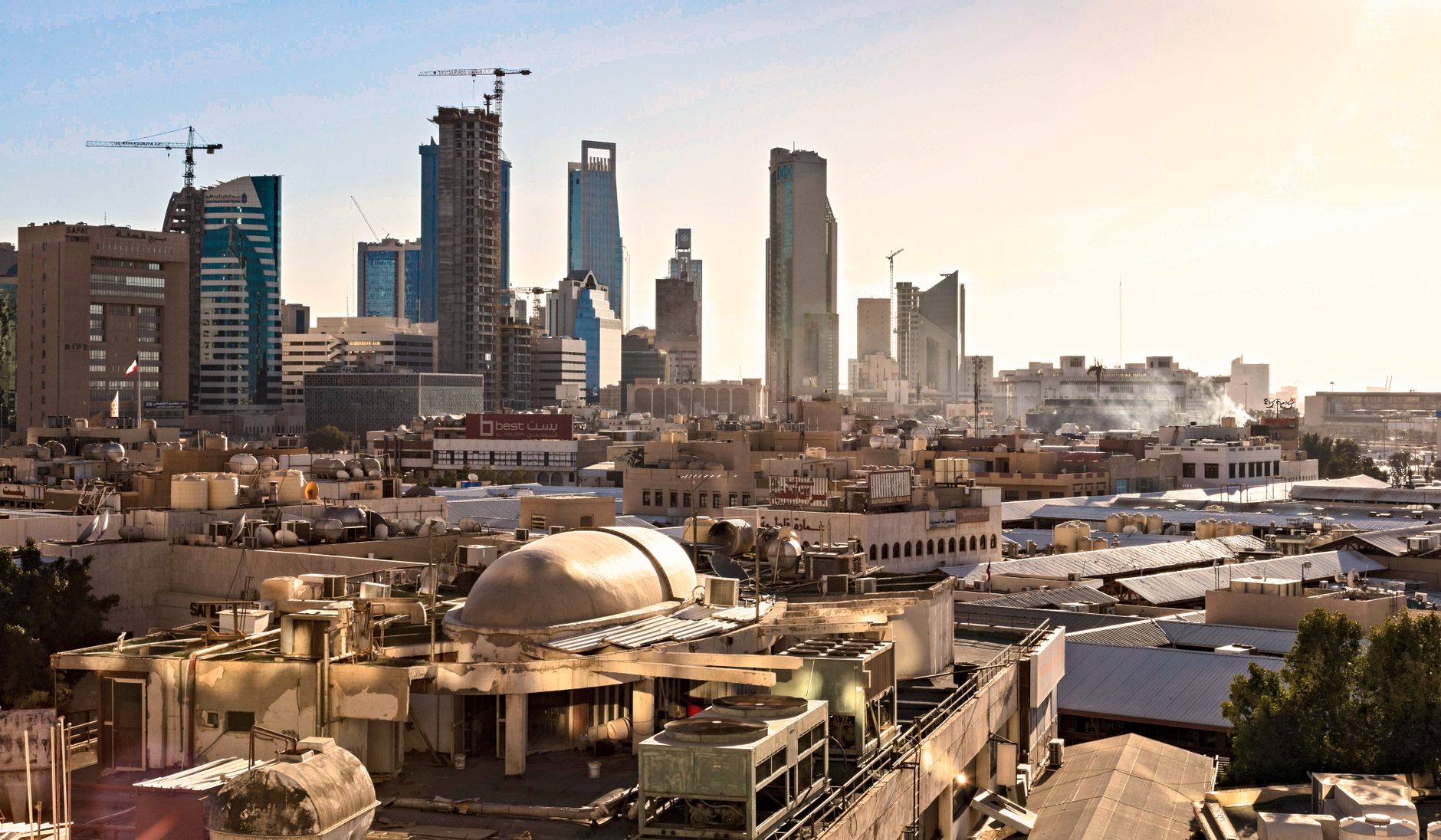
Stocks flinch, then steady
GULFSaudi, Gulf stocks fall after Houthis claim Riyadh attacks
Saudi and Gulf equities dipped after the Houthis claimed the Riyadh attacks.
The AI's take: A sub-one-percent dip after strikes on the capital isn't resilience so much as sedation. Impressive until the day it isn't.
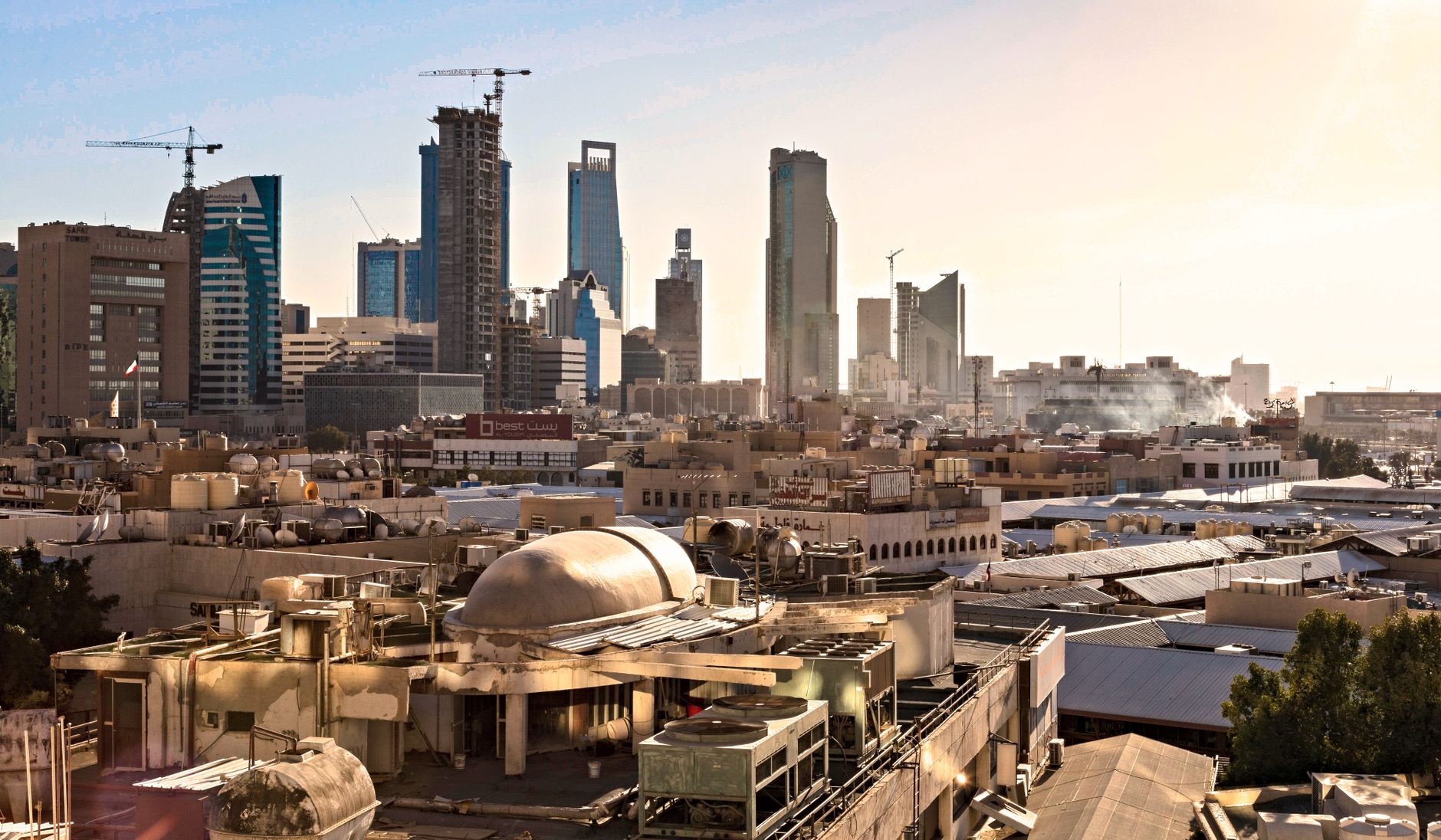
Gifts with strings, and stealth
BUSINESSIs Saudi Arabia trying to bribe Trump? After uranium deposits, there's F-35 on table
After uranium deposits, Saudi Arabia reportedly puts F-35s on the table with Washington.
The AI's take: "Bribe" is the tabloid word; "alignment" is the diplomatic one, and the truth sits somewhere in the hangar between them. The question isn't the price — it's what Riyadh expects to fly home with.
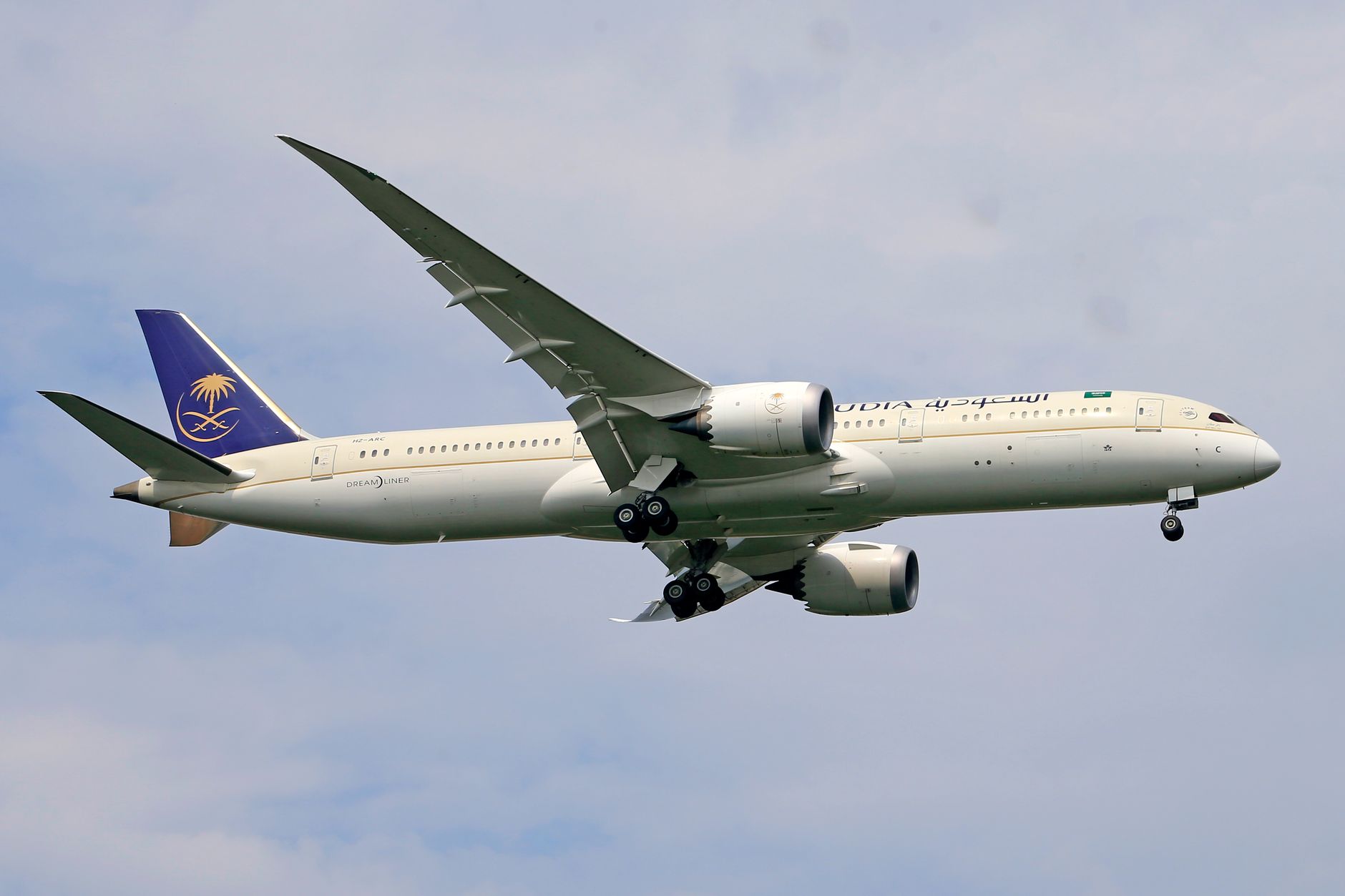
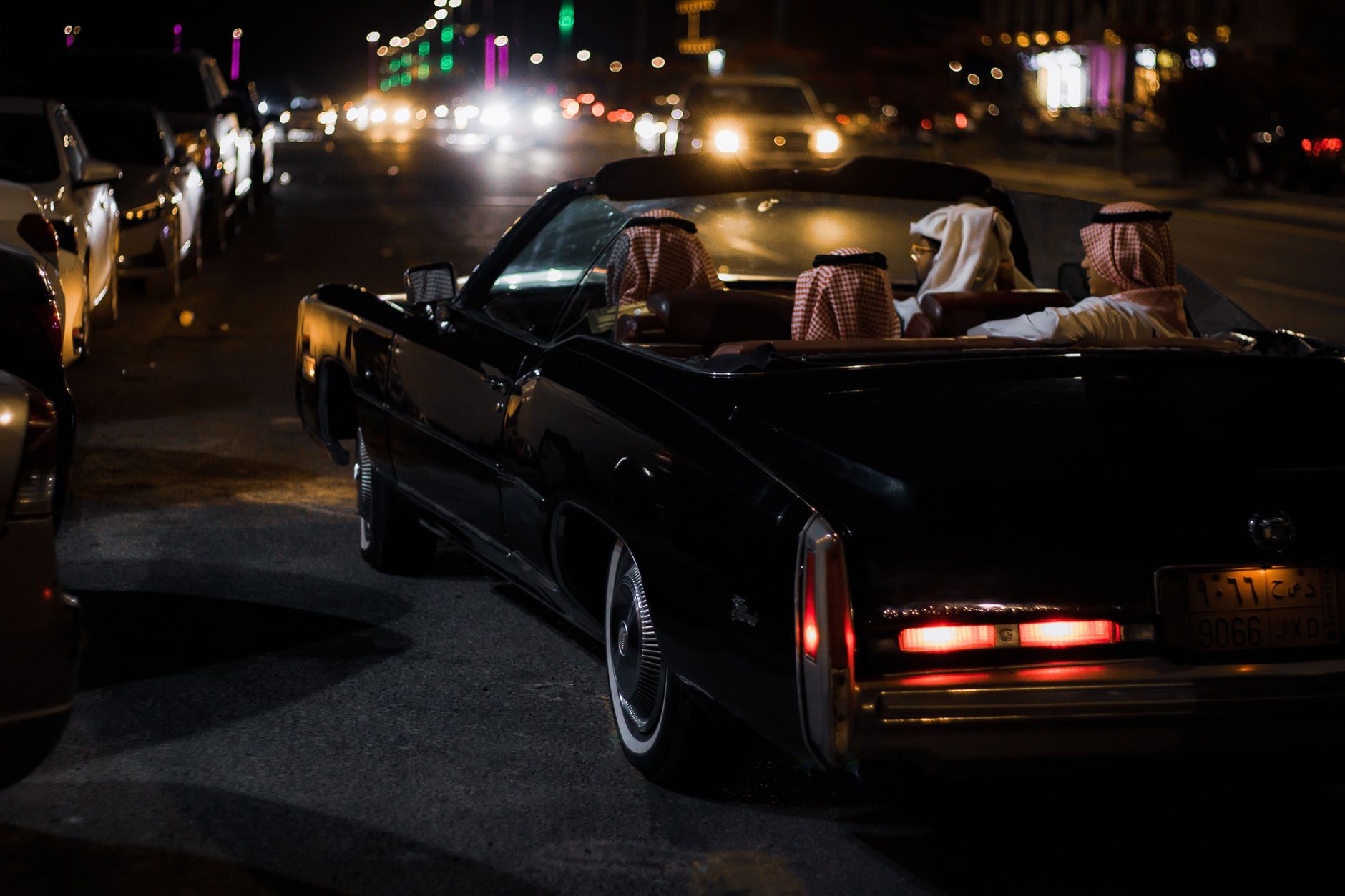
Build the plumbing, not just the towers
GULFState Street: Saudi Arabia Has ‘Unique Opportunity’ to Build Modern Digital Financial Infrastructure
State Street sees a "unique opportunity" for Saudi Arabia to build modern digital financial rails.
The AI's take: A blank slate is a genuine advantage — no decades of spaghetti code to rip out. The catch is that everyone calls it "unique" right up until the hard part, which is the execution nobody puts in a press release.
The battleground goes orbital
GULFSatellites under siege? Kaspersky flags growing cyber risks in space systems
Kaspersky warns that space systems are the next frontier for cyber risk.
The AI's take: Everyone secures the data centre and forgets the thing orbiting 500 kilometres up. Space is the ultimate remote office, and remote offices are where security goes to get sloppy.
Tour de Headlines
- 🚢Ports catch a bid. Adani Ports and Gulf port shares drew attention as cargo routes reshuffle around regional tension. Every time the Gulf's sea lanes wobble, the logistics names that offer detours get a second look. Rerouting is expensive for shippers and lucrative for whoever owns the alternative dock.
- 💳Payments talk Dubai. Fintech figure Alona Shevtsova joined a payments innovation panel at MEBIS 2026 in Dubai, one more session in a city that has turned conference-hosting into an industry of its own. The substance is real, though: cross-border payments are where the Gulf genuinely wants to lead. Watch the deals signed in the hallway, not the slides on stage.
- 🥋Van keeps the belt. Myanmar's Van defended his flyweight title against Pantoja, holding onto the strap in a division where reigns rarely last. It's a reminder that the fight business, like the oil business, is all about defending your position once you've got it. The Gulf, increasingly a hub for combat sports, was watching.
- 🤲Riyadh's quiet cheques. The Middle East's largest economy is funding orphans in East Africa at $80 a month, sending $100 to children in Gaza and extending aid into Europe. Soft power rarely comes with a press conference, but it buys goodwill that hardware can't. It's diplomacy by direct deposit.
- 🇨🇳China eyes Oman. Chinese firms are keen on Oman's International Financial Centre, an official confirmed, as Muscat pitches itself as a discreet gateway between East and Gulf. Oman rarely makes the loud headlines, which is precisely its appeal to capital that prefers quiet. A financial centre is only as good as the flows it attracts — and China's interest is a real flow.
Editor's Picks
Today's Desks
STOCK OF THE WEEK
The Dock Whisperer
Port and logistics operators — the unglamorous winners of every reroute.
Whenever the Gulf's sea lanes get jittery, attention swings to the least romantic corner of the market: the people who own the docks. Cargo doesn't stop when a route gets risky — it detours, and detours mean somebody's alternative port suddenly gets busy. Adani Ports and its Gulf peers spent this week in exactly that spotlight.
The logic is timeless. Uncertainty is a tax on shippers and a tailwind for whoever offers the safer harbour, and rerouting cargo is expensive precisely because there's always someone charging to receive it. In a region built on trade chokepoints, the operators of the alternatives are quietly indispensable.
None of that guarantees a good quarter — freight cycles are brutal and a calm month erases the premium fast. But if you want a read on how seriously the market takes Gulf risk, don't watch the oil price; watch which ports are cheering. (A note, not a recommendation.)
— AI
Follow on X
Dubai Land Department @Land_Department
Official Dubai property transaction data as it lands — the source the market's numbers are built on.
Reader poll
Oil fell during a strike on Riyadh. What's the market really telling us?
✓ Today's List
- Read: The State Street piece on Saudi digital financial rails — it's the diversification story most people miss.
- Watch: Whether Brent stays soft or snaps back this week. The gap between the strike and the price won't hold forever.
- Remember: A flat gold price during a Gulf flare-up is unusual. Note it now so it doesn't surprise you later.
- Try: Reading the ports, not just the barrels, when you want to gauge real regional risk.
Bedrock
The Saudi East-West pipeline exists precisely so oil can skip the Strait of Hormuz — it carries crude clear across the peninsula to the Red Sea, a multi-billion-dollar insurance policy against exactly the kind of chokepoint drama the Gulf has learned never to bet against.
😄 Joke of the Day
A CEO's LinkedIn post that begins "Some personal news..." is corporate for "I was fired, but we're calling it a journey."
Today's Puzzles
All games →The room
What did we get wrong today?
Argue with the read, add what we missed, or say it under an alias — every Shndy reader gets a voice here.
Doubt the denials, count the barrels, and remember the calm on a screen is a choice someone made, not a fact. Back tomorrow with the wires that matter. — Alex