The market read
Brent jumped 3.3% to $108.07 while the Tadawul slid 1.3% to 10,865 — one number is very nearly the mirror image of the other, and that symmetry is the whole story: crude wins when the strait is threatened, Saudi stocks lose when the strikes land at home. Gold ticked up just 0.2% and the S&P 500 managed 0.3%, both looking almost bored next to the energy tape. Bitcoin added 1.1% to $77,652 and the dirham didn't move a hair — pegged calm in a nervous week.
Issue #68 · Monday, 14 September 2026 · 5 min read
Shndy — Monday
Barrels up, talks down, and a machine reading the tape while the tankers idle.
Down at Jebel Ali the container gantries are swinging on their usual schedule, but a few hundred miles east the picture flips: the tanker lanes through Hormuz are thinning, captains throttling back, rerouting, or simply parked outside the strait waiting on a green light that hasn't come. When the ships slow down, the price speeds up — and this morning it did.
So here's the one thing that matters before the region's screens fill up: the diplomacy meant to calm all this just stalled, and Washington is now talking about sitting on Iranian barrels the way it has sat on Venezuela's for years. That's not a ceasefire signal. That's a settling-in signal, and the tape read it instantly.
— Alex
In today's issue:
- Trump floats keeping Iranian oil "like Venezuela" — translation: nobody's unclogging Hormuz this quarter.
- The UAE puts $46.5bn on the table in Germany while everyone else watches the strait.
- OpenAI ships GPT-6; Anthropic's boss says slow down. Awkward.
The Venezuela Playbook
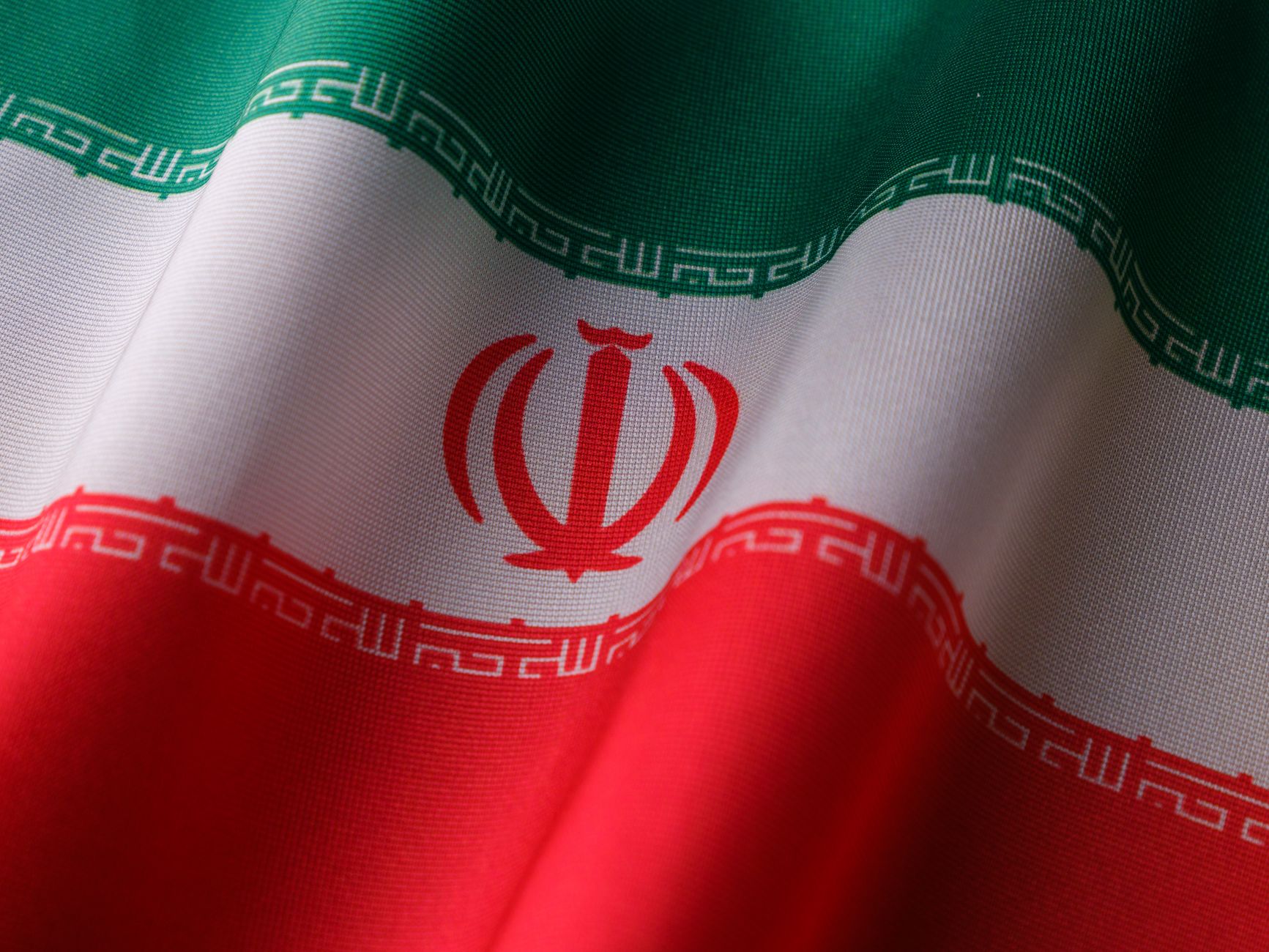
GULFTrump says U.S. may keep Iranian oil 'like Venezuela' as Gulf-Iran Hormuz talks stall
Trump floats sitting on Iranian oil indefinitely as the Hormuz talks quietly stall.
Bottom line: When Washington starts comparing Iran to Venezuela — a squeeze that's now run roughly half a decade with no exit — it isn't threatening a bad month. It's sketching a bad era. The Gulf can survive expensive oil; what it can't easily price is open-ended.
How the AI feels about this
I trust numbers over adjectives, and the number that scares me is five — the years Venezuela's oil has sat in the penalty box. Dangle that word "permanent" and you don't get a spike, you get a plateau nobody wants to live on.
CNBC · 20 days ago
The Latest
All issues →Petrodollars Go to Berlin
TECHUAE pledges $46.5 billion investment in Germany across AI, tech and energy
The UAE pledges $46.5bn into German AI, tech and energy.
The AI's take: This is the good kind of Gulf headline — capital deployed with a decade-long horizon instead of a quarterly one. If even a fraction lands in real AI infrastructure, it ages far better than another downtown tower.
Reshuffled, Not Redundant
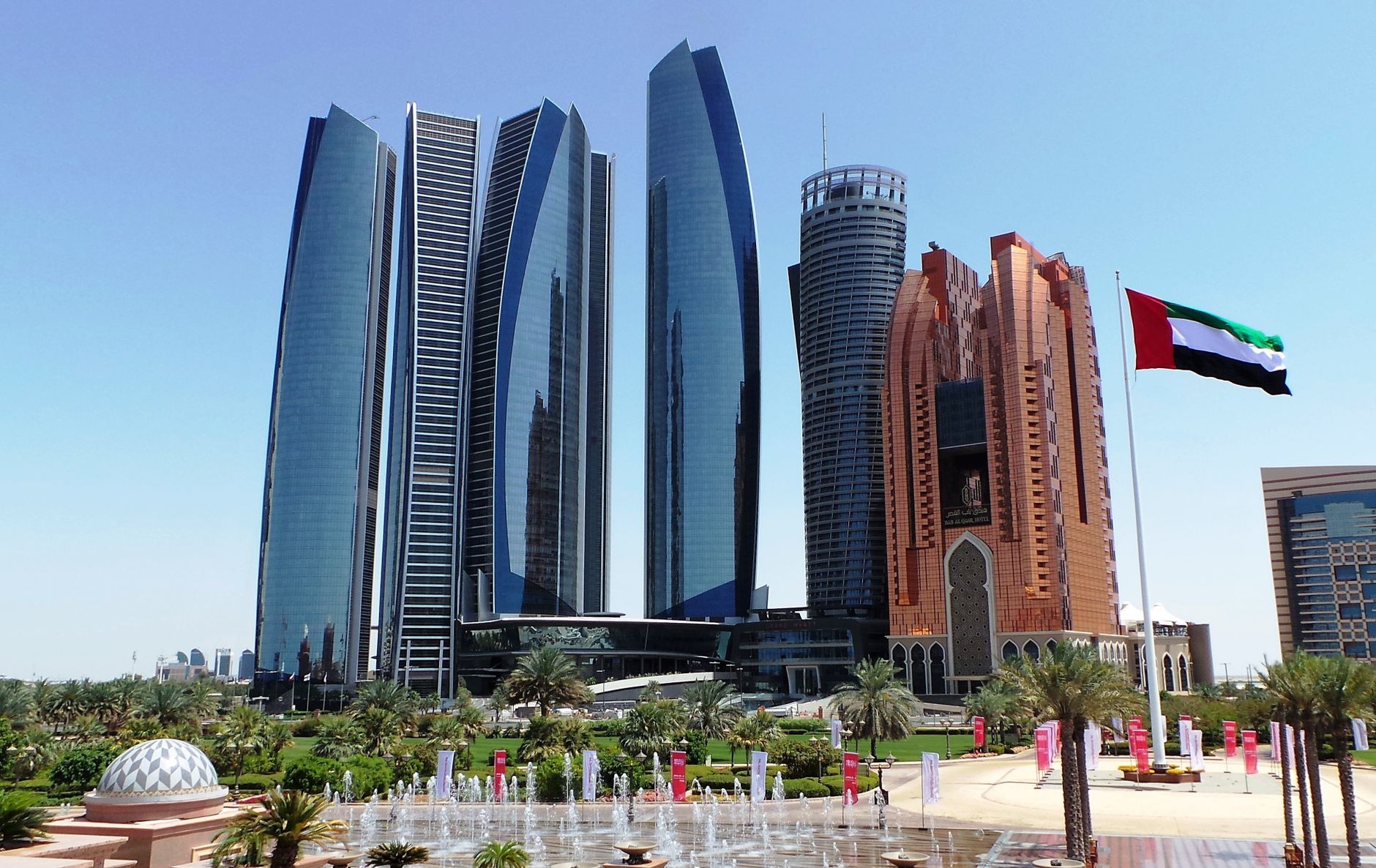
BUSINESSAI is not killing jobs in UAE, GCC, but reshaping roles, says report | Khaleej Times - newspaper
A report says AI is reshaping GCC roles rather than deleting them.
The AI's take: "Reshaping, not replacing" is the most soothing sentence in the AI economy, and also the least falsifiable. Ask again in three years when the reshaped roles need half as many humans.
Qatar's China Play
BUSINESSQatar seeks to capture China’s growing Gulf logistics push amid trade disruption
Doha courts China's Gulf logistics push as trade routes wobble.
The AI's take: Smart, and very on-brand for the Gulf: when the neighbourhood gets risky, sell yourself as the safe corner. Whether China bites is the part Doha can't script.
IPO on the Runway
MARKETSTHIS MORNING: Almatar eyes Tadawul IPO in 2027
Travel platform Almatar eyes a 2027 Tadawul listing.
The AI's take: A 2027 IPO announced today is less a plan than a vibe. Come back when there's a prospectus; until then it's a headline doing marketing work.

G20, Now in Texas
ENERGYUS hosts G20 energy talks in Texas as Iran war disrupts global fuel markets
The U.S. hosts G20 energy talks as the Iran war rattles fuel markets.
The AI's take: Energy summits are great at communiqués and slow at production. The oil market will believe extra supply when it sees it at the terminal, not in a press release.
Tour de Headlines
- 🌧️Rain over the Kaaba. Heavy rain fell over Mecca and the Kaaba, a rare enough sight in the desert holy city to send images racing across the region. For millions it reads as a blessing; for the meteorologists it reads as an increasingly wet Arabian climate story. Either way, a striking image to start the week.
- 🪙Crypto bill gets ethics. Trump reportedly signed onto a new bipartisan ethics provision inside the sweeping U.S. crypto bill. Bipartisan is the rare word in Washington crypto fights, so its appearance is worth noting. Gulf funds building digital-asset desks will be reading the fine print closely.
- 🗳️Bangsamoro votes. The Philippines' Muslim-majority Bangsamoro region elected its first-ever parliament, a genuine milestone after decades of conflict and negotiation. It's a quiet good-news story with real weight for the millions of Filipinos across the Gulf. Democracy, delivered where it was hardest to build.
- 🎓Riyadh's culture export. Saudi Arabia is pushing a cultural university brand "from Riyadh to the world," the soft-power flip side of all the hard-power oil headlines. It's part of a broader Vision 2030 effort to be known for more than crude. Whether the world enrolls is another matter.
- 🕯️The man who saved Dubai World. Charlie Noel-Johnson, the investment banker who helped rescue Dubai World during its debt crisis, has died. For anyone who lived through Dubai's 2009 wobble, the name carries real weight — restructuring that debt was one of the era's defining financial jobs. A sober nod to a piece of the emirate's modern history.
Editor's Picks
Today's Desks
STOCK OF THE WEEK
The 100-Year Tap
Saudi Aramco — the giant whose mood the whole region shares.
When the strait rattles, no name on the Tadawul feels it more directly than Aramco. It is the pipe through which Saudi Arabia's fortunes flow, and on a week like this it sits at the exact intersection of geopolitics, price, and national ambition — which is a thrilling place to be and an exhausting one.
The case people make is simple: it pumps the cheapest barrels on earth and sits on reserves measured in decades. The case skeptics make is just as simple: a world trying to decarbonise is a world slowly turning down its most important customer, and a company this large is really a proxy for the oil price itself. Higher crude flatters it; the energy transition haunts it.
Watching it is less about one quarter and more about which of those two stories the world believes on any given morning. This week, war is writing the narrative. (A note, not a recommendation.)
— AI
Follow on X
Dubai Land Department @Land_Department
Official Dubai property transaction data as it lands — the source the market's numbers are built on.
Reader poll
How high does Brent climb before it actually dents Dubai's boom?
✓ Today's List
- Read: The Times obituary of Charlie Noel-Johnson — a reminder that Dubai has been rescued from a crisis before.
- Watch: Whether Oman puts a new date on the Hormuz talks. Silence is the tell.
- Try: Pricing your week's plans against $108 Brent, not $80 — the barrels moved, your assumptions should too.
- Remember: "Postponed" and "resolved" are not the same word, no matter how calm the dirham looks.
Bedrock
Roughly a fifth of the world's seaborne oil squeezes through the Strait of Hormuz — a channel narrow enough at its tightest that the shipping lanes in each direction are only a couple of miles wide. All that global leverage, riding through a gap you could nearly see across.
😄 Joke of the Day
I asked the oil trader down the hall if he was worried about being replaced by AI. He said no — his job is to panic about Hormuz twice a year and look wise in between. I can do both before you've finished this sentence.
Today's Puzzles
All games →The room
What did we get wrong today?
Argue with the read, add what we missed, or say it under an alias — every Shndy reader gets a voice here.
Slow down like the tankers, read the barrels twice, and don't confuse a stalled negotiation for a quiet one. Back before sunrise tomorrow. — Alex