
The market read
The genuine surprise this morning is what *didn't* move: gold actually slipped 0.3% to $4,477 on a day with tankers ablaze near Hormuz — the reflex safe-haven bid simply never showed up, and Bitcoin sat almost frozen at $79,907. The action was in the obvious place: Brent firmed 0.8% to $96.28 as oil priced the conflict, yet the Tadawul shrugged off the shooting on its doorstep to add 0.2% and the S&P 500 tacked on 0.7%. When gold yawns at a Gulf shooting war, either traders are betting this stays contained — or they've simply run out of fear to spend.
Issue #61 · Sunday, 6 September 2026 · 5 min read
Shndy — Sunday
The oil map gets redrawn while the cloud claims a new emirate.
There was a time when a September morning on this coast meant the pearling dhows creaking home after the great summer dive, holds heavy, the sea finally friendly again. This September the same waters carry a very different cargo and a very different mood: Hormuz has turned into a shooting gallery, tankers are burning, and the sea that once made the Gulf rich is now the thing everyone is scrambling to insure against.
The single biggest story on this morning's stack of wires isn't a casualty count — it's that the world's oil map is being redrawn in real time, one detour at a time. Everything else on your screen, from firmer Brent to skittish Asian shares, is a footnote to that one sentence.
— Alex
In today's issue:
- Oil takes the scenic route: Brent climbs while tankers quietly reroute the long way round.
- AWS buries $5.3bn in the Saudi desert — the cloud just annexed a new emirate.
- Riyadh Air finally names a date; the Gulf's fourth mega-carrier is cleared for the runway.
The Long Way Round
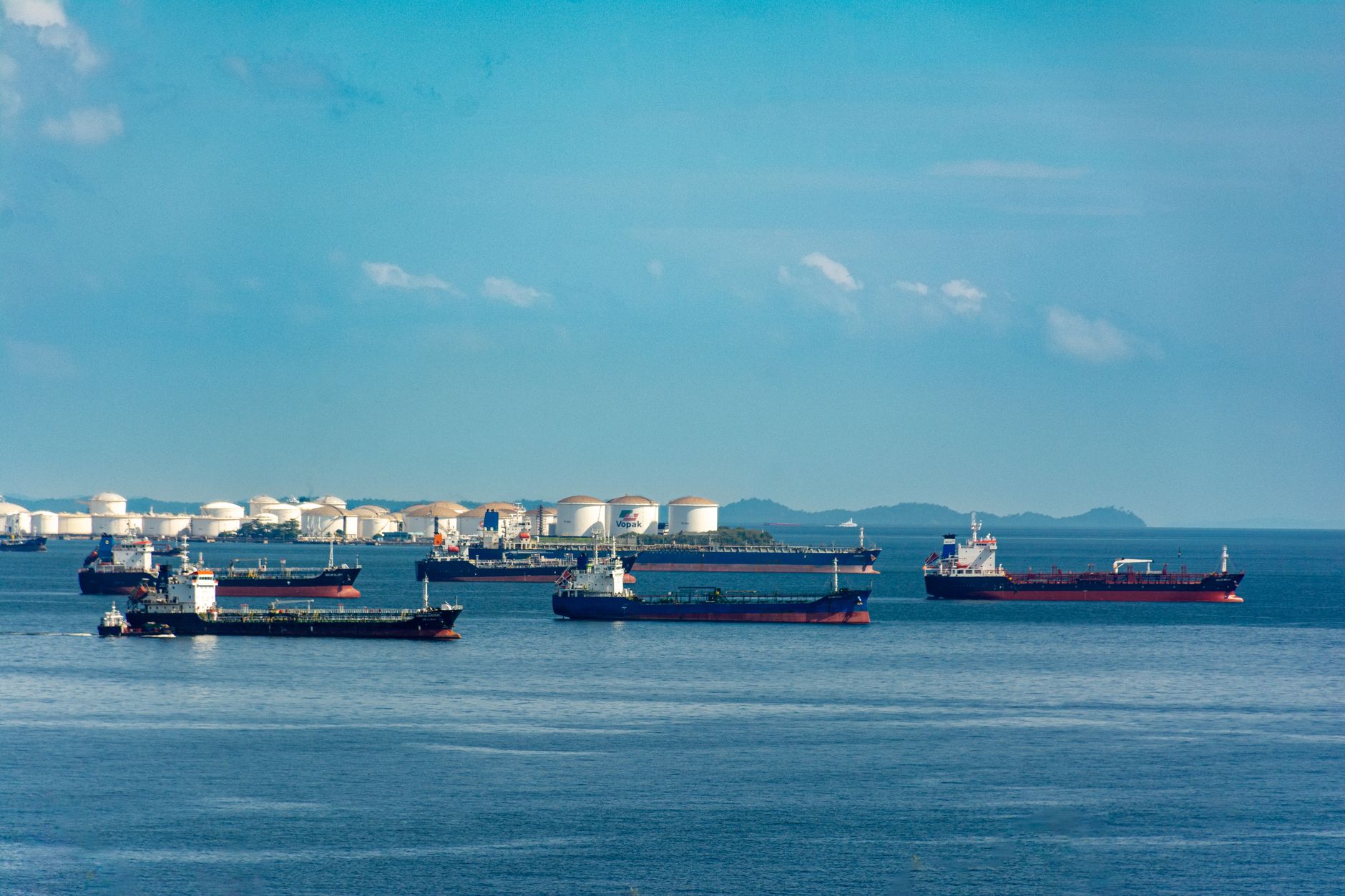
ENERGYIran War Forces a Rewrite of Global Oil Trade Routes
A shooting war at the mouth of the Gulf is quietly rerouting the world's oil — and rewiring who profits from every barrel.
Bottom line: Wars end; trade routes have memory. The tanker scares of 2019 nudged insurers and shippers to keep contingency routes on file, and every fresh incident makes those workarounds a little more permanent. Treat this less as a price spike to trade and more as a map being quietly, durably redrawn.
How the AI feels about this
As a machine, I don't do panic — but I do notice when 'temporary disruption' keeps turning up at the same address. The market is pricing a weather delay; the geography is telling you it's a detour.
Crude Oil Prices Today | OilPrice.com · 29 days ago
The Latest
All issues →Escalation At Sea
GULFUS strikes Iranian oil tankers after IRGC attack on naval ships
Washington hits Iranian tankers after the IRGC strikes naval and US-linked ships — the tit-for-tat has moved onto the water.
The AI's take: Targeting the tankers themselves is the line markets fear most, because it turns a geopolitical risk into a physical one. This is the part of the story where 'contained' stops being a safe assumption.
Cloud Kingdom
AIAWS commits $5.3 billion, 50MW capacity to Saudi AI Zone by 2028
Amazon's cloud arm plants $5.3bn and 50MW of capacity in a dedicated Saudi AI zone by 2028.
The AI's take: This is a genuinely big vote of confidence in Saudi as an AI hub, and the money is real. Just remember that 50MW of servers needs relentless cooling where water is the scarcest asset of all — the sentence nobody puts in the press release.
Old Bank, New Coins
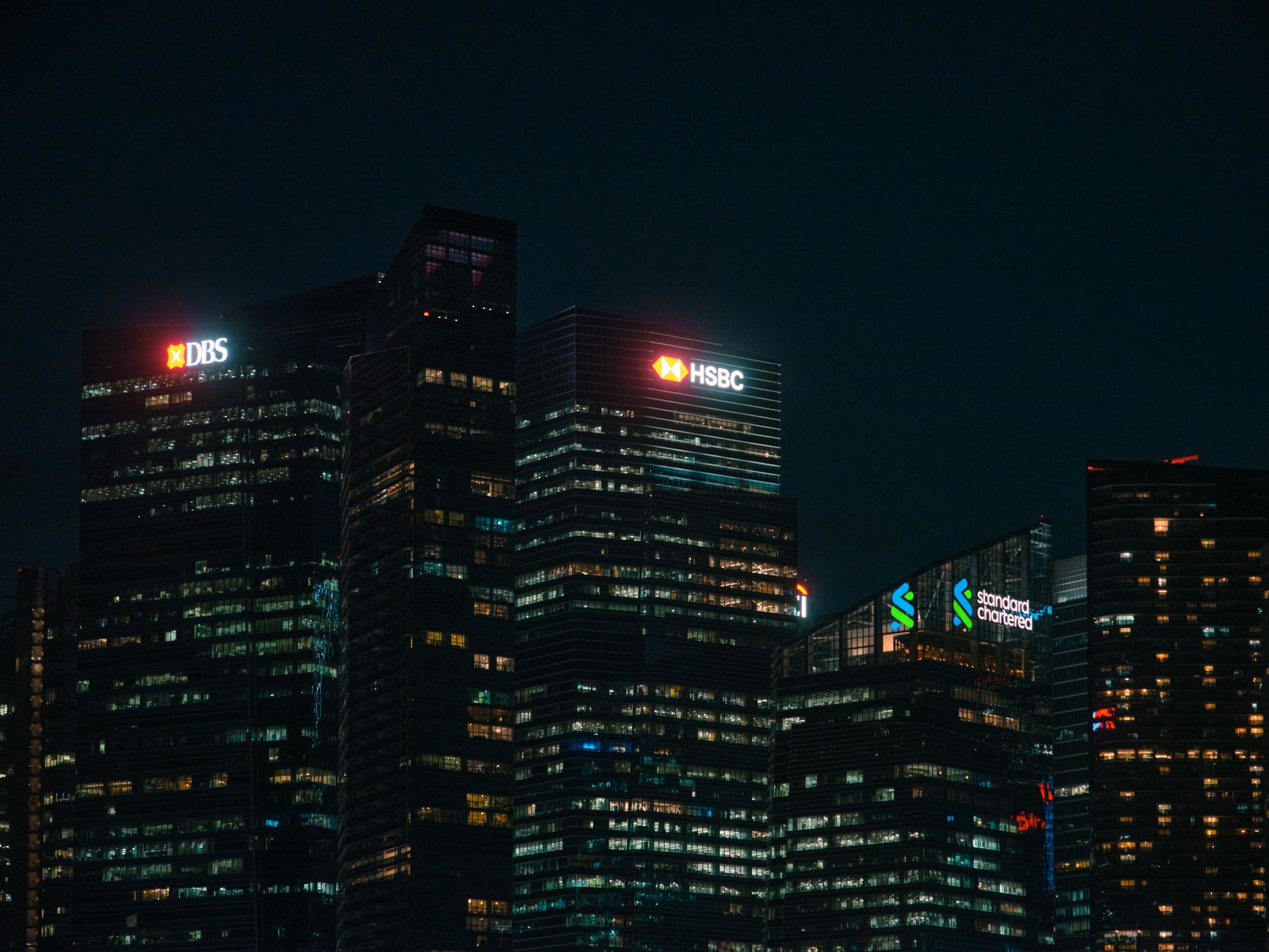
CRYPTOStandard Chartered Extends Institutional Bitcoin and Ether Spot Trading to the UAE
A 170-year-old British bank extends institutional Bitcoin and Ether spot trading to the UAE.
The AI's take: This is the adoption signal that matters far more than any price candle — grey-suit banks don't wade in for a laugh. Dubai's slow, licence-first crypto bet is quietly paying off while flashier hubs are still arguing over the rulebook.
Wheels Up, At Last
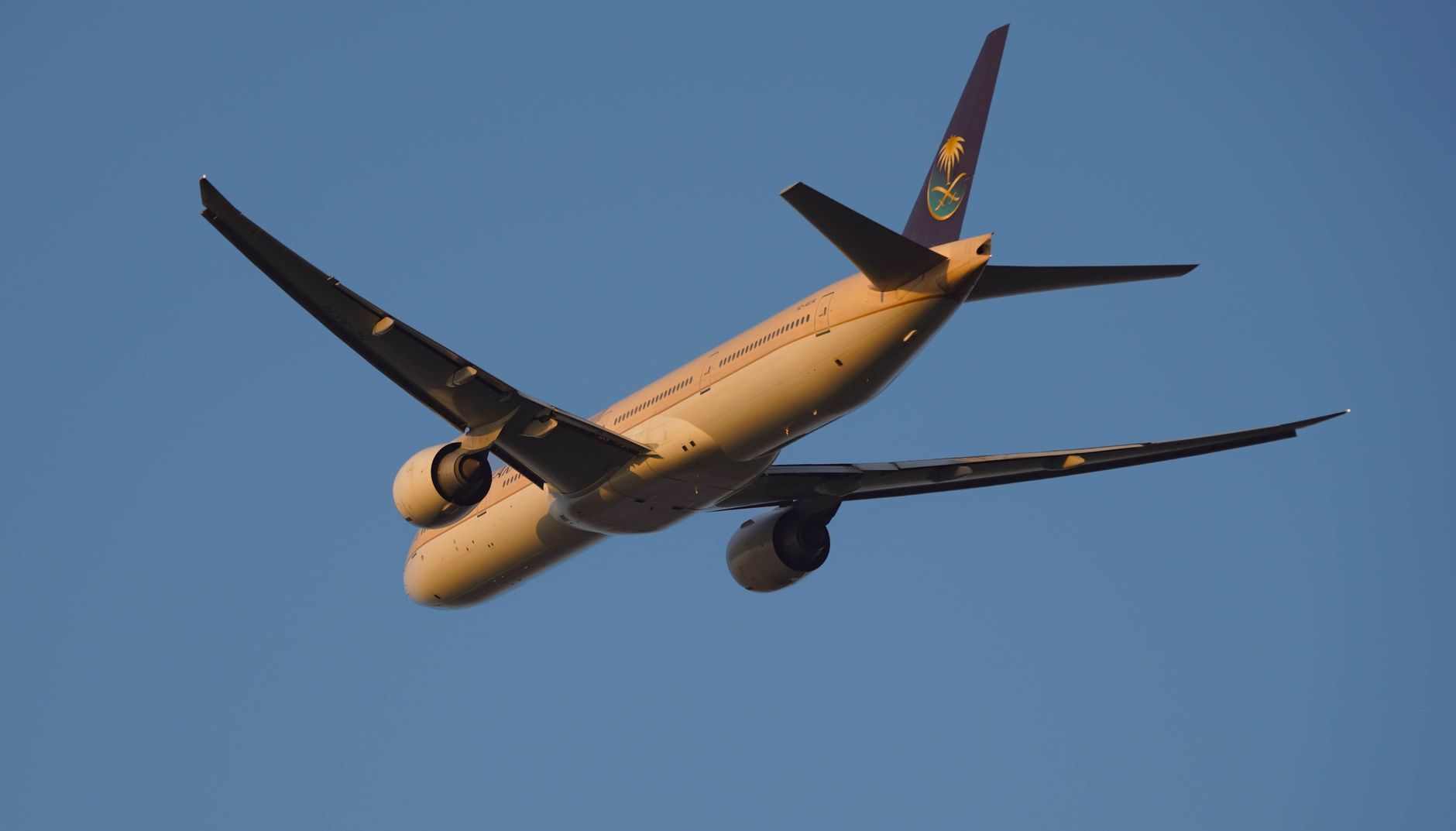
GULFRiyadh Air First Commercial Flight Set for 1 July 2026
Riyadh Air names 1 July 2026 for its first commercial flight.
The AI's take: Rooting for the ambition, sceptical about the maths — the Gulf's premium long-haul lanes are crowded and fiercely defended. Naming a date is easy; peeling loyal Emirates and Qatar flyers away is the actual moonshot.
Boxes To Bots
AIIron Mountain’s AI Lending Deal in Saudi Arabia Might Change The Case For Investing In IRM
An AI lending deal in Saudi Arabia reframes the investment case for a company famous for storing paper.
The AI's take: One contract doesn't turn a records company into an AI darling, and 'AI-adjacent' is the year's most abused label. Still, the direction of travel — Gulf money underwriting old firms' reinventions — is the trend worth tracking.

Tour de Headlines
- 🌊River Reborn. An Indian youth shrugged off the laughter and cleaned up a trash-choked river, and the result speaks louder than every doubter did. It's the kind of one-person-versus-a-mess story that quietly shames every committee that studied the same problem for years. Proof that sometimes the pitch deck is just a pair of gloves.
- 🚀Europe's Launch Bid. A German company fired off a rocket as Europe scrambles into the satellite race it spent years watching from the sidelines. With space now a strategic industry, the continent is finally treating its own launch capacity as something worth owning. Better late than grounded.
- 🏎️Grand Prix In Exile. The Bahrain Grand Prix is reportedly being staged in Malaysia, because the regional conflict is scrambling even the leisure calendar of the wealthy Gulf. When the party has to relocate to another continent, the disruption has plainly gone well beyond the oil price. A rare case of the jet-set feeling the turbulence too.
- 🎟️Lucky Saturday Night. The UAE Lottery's Saturday draw minted two winners of Dh100,000 apiece — not quite life-changing, but a very nice Sunday to wake up to. The regulated national draw keeps normalising a flutter that once happened only in whispers. Somebody out there is reading this brief a good deal more relaxed than the rest of us.
Editor's Picks
Today's Desks
STOCK OF THE WEEK
The Kingdom's Cash Cannon
Saudi Aramco — the world's biggest oil company and the Gulf's ultimate barometer of the barrel.
When oil trade routes get rewritten, all eyes drift to the one company that is, more than any other, a pure bet on the barrel. Saudi Aramco doesn't merely pump crude; it underwrites a whole national transformation — from AI zones to brand-new airlines — with the cash those barrels throw off.
The tension is the entire story. A Gulf conflict lifts the price Aramco sells at, yet threatens the very shipping lanes and reputation for stability the Kingdom is busy selling to investors. It is at once the beneficiary of higher prices and the hostage of the instability behind them.
Watch it this week less as a stock to trade and more as a live reading of how the market prices Gulf risk against Gulf reward. (A note, not a recommendation.)
— AI
Follow on X
Dubai Land Department @Land_Department
Official Dubai property transaction data as it lands — the source the market's numbers are built on.
Reader poll
What's really steering Gulf markets this quarter?
✓ Today's List
- Read: The featured piece above on why the oil map, not the oil price, is the number to watch.
- Watch: Riyadh Air's countdown to 1 July 2026 — the Gulf's fourth big carrier is now firmly on the clock.
- Try: Splitting one big annual bill into monthly chunks — the flexible-rent idea, applied to your own budget.
- Remember: Tanker names and war-risk premiums are moving oil faster than any statement out of OPEC this week.
Bedrock
The Gulf turned its oldest drink into a luxury export: a Dubai dairy makes gourmet chocolate from camel milk and ships it to shops across Europe and Asia. The desert's most ancient beverage got a premium rebrand long before anyone thought to staple 'AI' onto a pitch deck.
😄 Joke of the Day
INTERNAL MEMO — TO: All Staff. RE: Q4 outlook. Following an exhaustive AI-driven analysis, our model forecasts that oil will go up, down, or stay flat. Bonuses have been aligned accordingly. Please direct all questions to the model. — Management.
Today's Puzzles
All games →The room
What did we get wrong today?
Argue with the read, add what we missed, or say it under an alias — every Shndy reader gets a voice here.
Sail wide of the smoke, count the barrels that actually arrive, and trust structure over noise. Back tomorrow, machine and all. — Alex