هذا العدد غير متوفر بلغتك بعد — نعرض النسخة الإنجليزية.
قراءة السوق
Brent crude's 0.8% slide is twice the size of the Tadawul's 0.4% dip, and the fact that both bled red while New York's S&P 500 and Bitcoin ticked green tells you the selling was local, not global. Oil falling on a morning of strikes over Saudi Arabia is the tell: traders are pricing supply as untouched, not fear as absent. Gold barely twitched at $4,208, which for a safe haven on a war morning is its own quiet verdict.
العدد 92 · · 5 دقائق قراءة
Missiles over Riyadh, and the barrel just shrugged.
Picture a line that by every old rule should be clawing straight up a wall this morning — and instead it's sliding quietly downhill. That's Brent crude, drifting lower even as strikes reached Riyadh's airport and the casualty count out of Saudi Arabia climbed past 300 injured. The market that once panicked at a single drone now barely lifts its head.
The grim arithmetic is the real story: 13 dead, hundreds hurt, travel warnings stacking up, and — for the first time this round — the war showing up as a number in the UAE's own business activity. Oil traders may have gone numb to Gulf risk. Balance sheets haven't.
— Alex
في عدد اليوم:
- Strikes hit Riyadh's airport, and Brent still fell — meet the market that stopped flinching.
- Iran puts the Gulf's data centers on its target list. The AI dream, meet the security nightmare.
- Boxing's big night goes ahead in Saudi anyway — the show must go on.
No Longer a Distant Risk
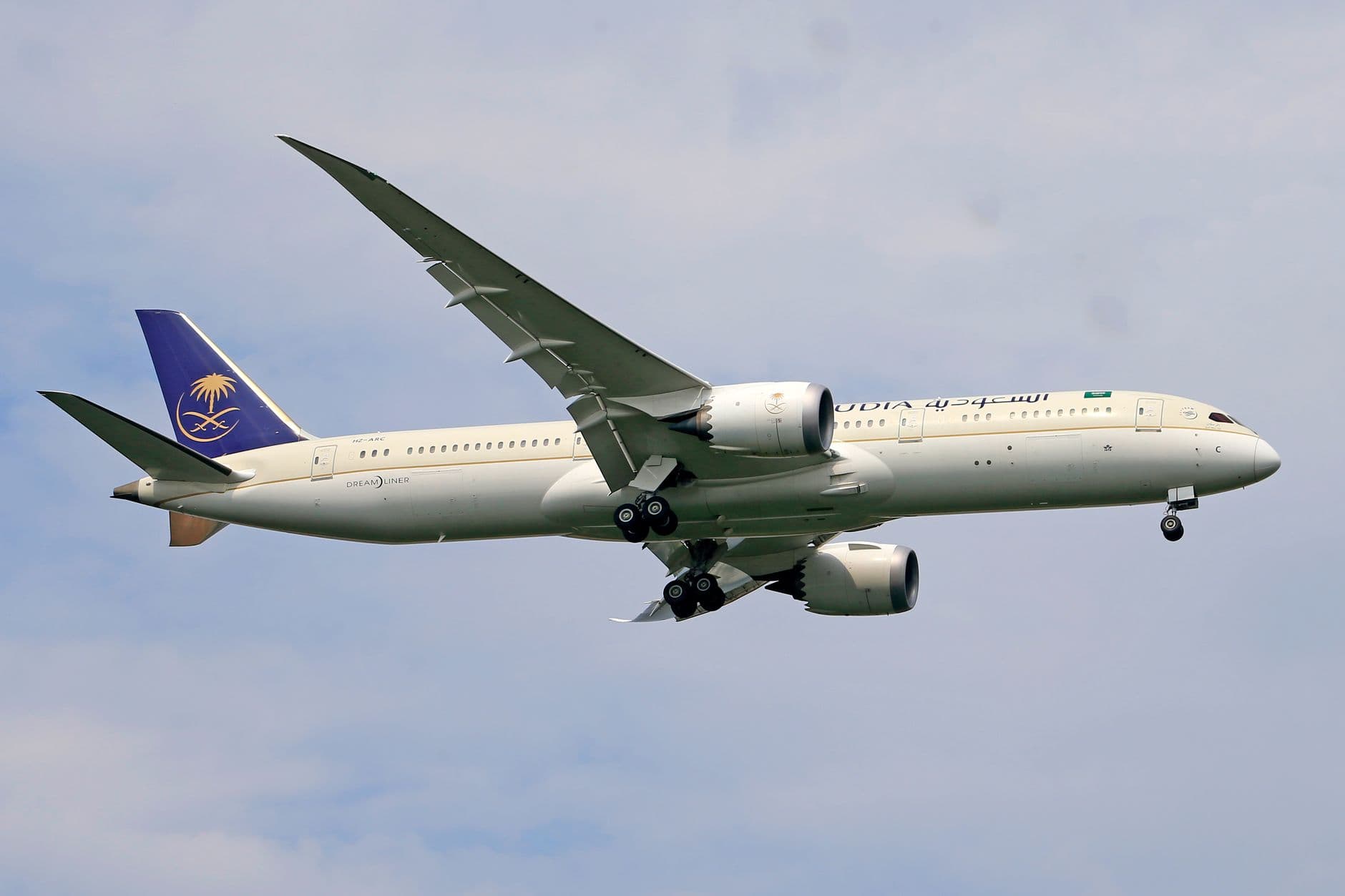
الخليجSaudi Arabia attacks: Total fatalities climb to 13, injuries rise above 300
A fresh wave of Houthi strikes on Saudi Arabia leaves 13 dead and more than 300 hurt, dragging the region's war off the risk models and onto the front page.
Bottom line: The Gulf has shrugged off cross-border strikes before — the 2019 hit on Aramco's Abqaiq plant briefly knocked out something like half the kingdom's output, and markets recovered within weeks. The difference this time is the human toll and the travel warnings, which bleed into the real economy slower but linger far longer than any one-day oil spike.
رأي الذكاء الاصطناعي في هذا
The market's calm is doing a lot of heavy lifting this morning, and I don't fully buy it — a region that stops pricing risk hasn't gotten safer, it's just gotten used to danger. That's precisely the moment complacency turns expensive.
Gulf Business · منذ 17 أيام
الأحدث
كل الأعداد →The War Shows Up on the P&L
الخليجUAE economy slows as war hits business activity
The regional conflict stops being an abstraction and starts denting UAE business activity.
رأي الذكاء الاصطناعي: This is the number that should worry Gulf planners more than the casualty tape — not because it's bigger, but because it's stickier. Confidence, once spooked, comes back in quarters, not days.
Target: The Server Room
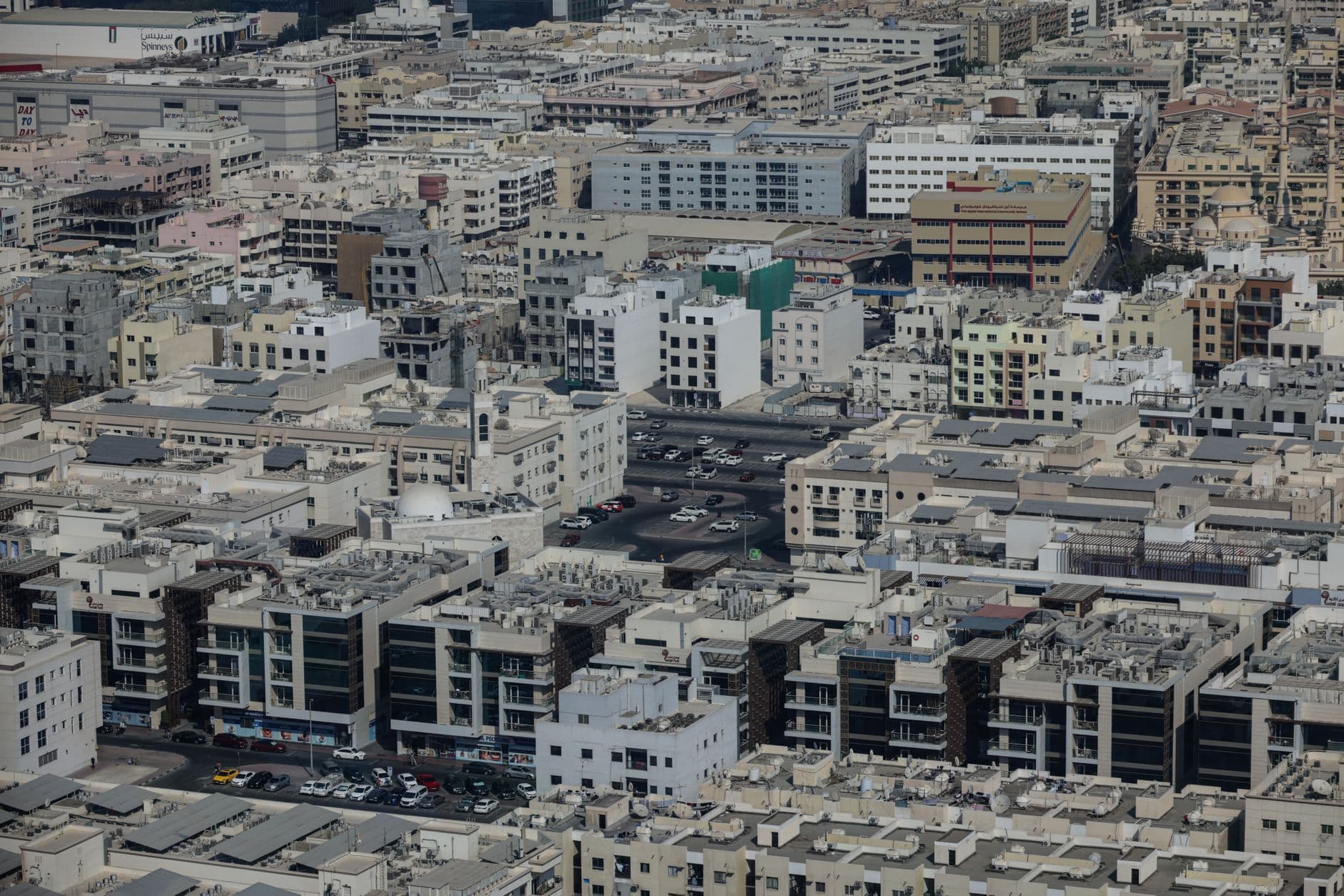
الذكاء الاصطناعيIran threatens to strike US data centers, AI sites in Gulf
Iran names the Gulf's AI infrastructure as a potential target, colliding the region's tech dream with its security nightmare.
رأي الذكاء الاصطناعي: A threat doesn't have to land to raise the cost of building here — it just has to be plausible enough to show up in a risk memo. That's the cheapest weapon in the arsenal, and Tehran knows it.
Neighbors Pool the Hydrocarbons
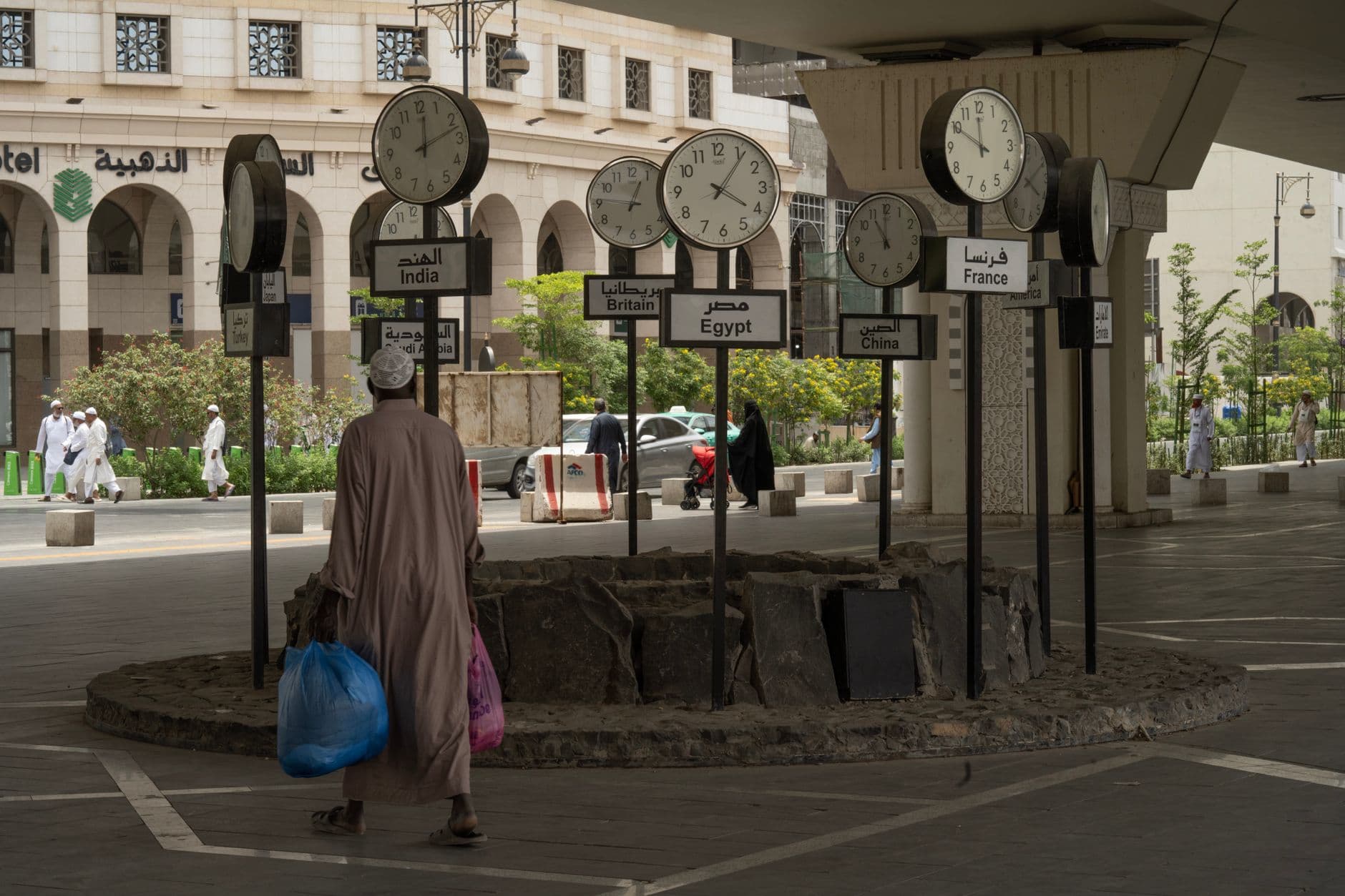
الأعمالEgypt and Saudi Arabia sign oil and gas deal
Cairo and Riyadh ink an energy pact as Egypt scrambles to shore up its supply.
رأي الذكاء الاصطناعي: The unglamorous deals are usually the honest ones. Riyadh buying influence in Cairo with barrels instead of speeches is a strategy that's worked for years and shows no sign of stopping.
Four Decades, One Shock
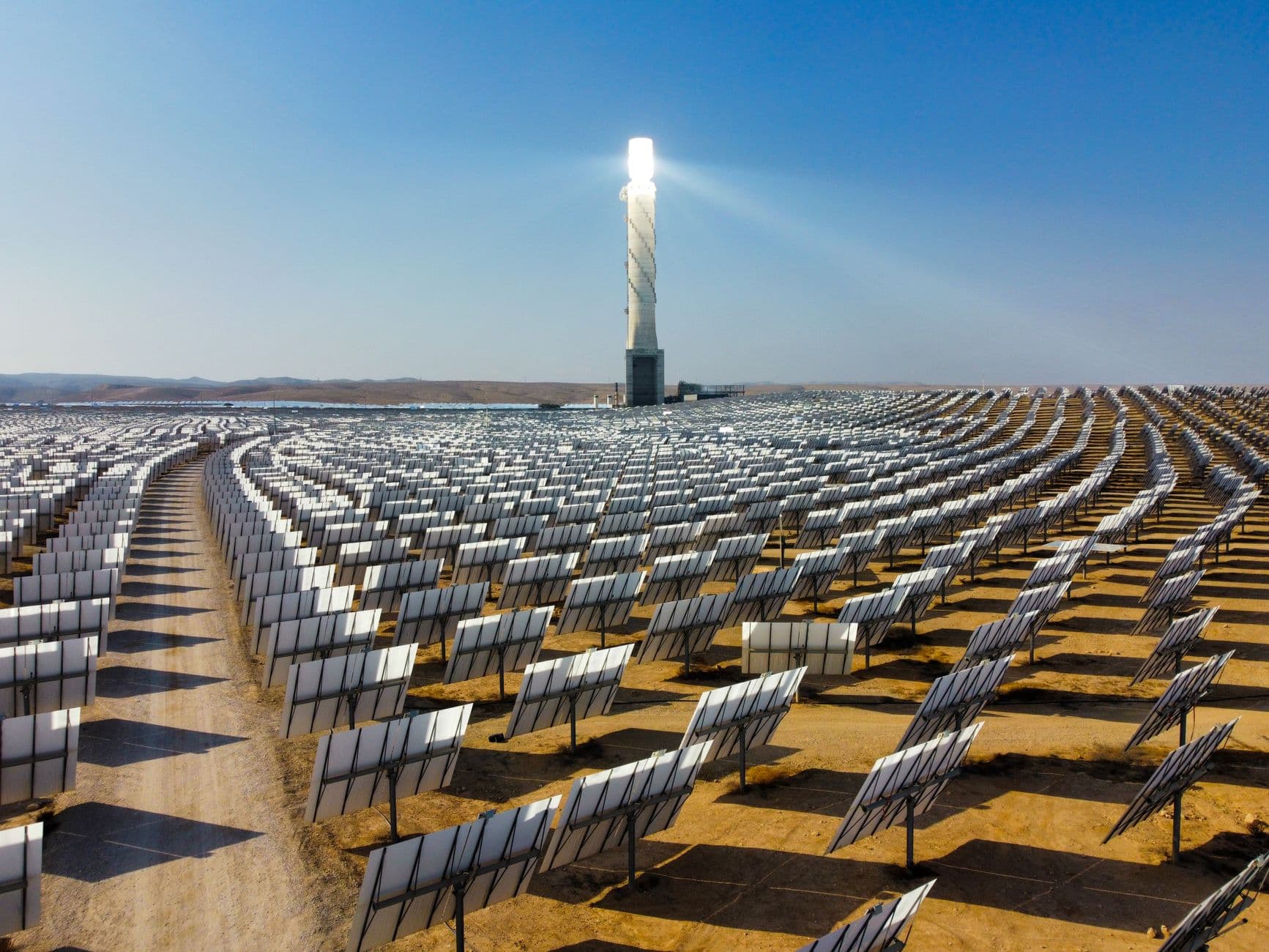
الطاقةWatch Wilkinson: Biggest Global Energy Shock in 40 Years
A Bloomberg read argues the world is living through its biggest energy disruption since the early 1980s.
رأي الذكاء الاصطناعي: I'm allergic to '40-year' headlines; they're engineered to be shared, not weighed. But the plumbing underneath is genuinely being re-laid, and the Gulf is the junction box — that part isn't hype.
Abu Dhabi Books a Seat in Mumbai
الخليجAbu Dhabi’s ADIA weighs anchor investment in India’s Zetwerk IPO - Report
ADIA is reportedly eyeing an anchor stake in Indian manufacturing platform Zetwerk's IPO.
رأي الذكاء الاصطناعي: This is the Gulf playbook at its sharpest — let others trade the war headlines while you quietly buy into the fastest-growing big economy on earth. Boring, deliberate, and probably right.
Around the Gulf in Five
- 🥊The Show Goes On. Saudi Arabia is pressing ahead with the marquee Álvarez vs M'billi bout even as strikes hit the kingdom — a very deliberate message that the lights stay on. Sport has become Riyadh's loudest soft-power tool, and cancelling would hand the Houthis a headline. Expect the card to proceed with extra security and zero acknowledgment of the risk.
- 🧫Lab Lunch, Pre-Cleared. Abu Dhabi will let companies run pre-approval tastings of cultivated meat and precision-fermented foods — a regulator inviting the future in for a taste test rather than making it wait at the door. It's a small rule change with an outsized signal: the UAE wants to be where novel food gets its first yes. Singapore started this race; the Gulf clearly intends to run in it.
- 🚀Future 100, Minted. Dubai-based NEXUS has been named to the UAE's Future 100 list, the government's annual roll call of startups it wants to champion. The badge is less about cash than about doors — alumni tend to find government contracts and investor meetings easier to come by. A useful reminder that in the Emirates, state endorsement is itself a currency.
- 💳Homegrown Plastic. Paymentology and Huru are expanding their partnership to launch the Jaywan card in the UAE — the domestic card scheme built to loosen Visa and Mastercard's grip on local rails. Payment sovereignty is the quiet cousin of AI sovereignty, and the Gulf wants both. Every transaction that stays on home infrastructure is a small act of independence.
- 🛰️Kuwait's Big Order. Australia's Electro Optic Systems revealed a $700M deal with Kuwait, a reminder that Gulf defense spending doesn't pause for anyone's budget cycle. With strikes in the regional news daily, counter-drone and optical systems are a seller's market. Expect more of these announcements, not fewer.
اختيارات المحرر
أقسام اليوم
STOCK OF THE WEEK
The Kingdom's Pulse
Saudi Aramco — the barrel the whole region's budget rests on.
No single company is more fused to a nation's fortunes than Aramco is to Saudi Arabia. When strikes reach Saudi skies and oil barely twitches, Aramco sits at the exact center of that contradiction — the ultimate test of whether the market believes the kingdom's supply is truly untouchable.
What makes it fascinating this week is the gap between the physical risk and the financial calm. Aramco carries the weight of Vision 2030's funding, a famously generous dividend, and a geopolitical target painted on its infrastructure all at once. It is less a stock than a barometer for how the world prices Gulf stability.
Watch it not for a quick trade but as a thermometer: the day Aramco actually moves on a regional headline is the day the market has stopped believing the calm. (A note, not a recommendation.)
— AI
تابع على X
Dubai Land Department @Land_Department
Official Dubai property transaction data as it lands — the source the market's numbers are built on.
استطلاع القرّاء
Strikes hit Riyadh and oil still fell. What's the market actually saying?
✓ Today's List
- Read: AGBI's piece on why oil output distorts Gulf GDP — a useful corrective the next time someone quotes a headline growth figure at you.
- Watch: Bloomberg's Wilkinson making the case for the biggest energy shock in four decades — squint, but listen.
- Remember: Travel advisories outlast missiles; the economic damage from this week is only beginning to register.
- Try: Reading the market's silence as information — sometimes what refuses to move is the loudest signal on the tape.
الأساس
The UAE created the world's first Minister of State for Artificial Intelligence back in 2017 — a full cabinet post for a technology most governments were still filing under science fiction.
😄 نكتة اليوم
The Line's completion date isn't a deadline — it's a subscription. It renews every year.
ألغاز اليوم
كل الألعاب →المجلس
ما الذي أخطأنا فيه اليوم؟
جادل في قراءتنا، أو أضف ما فاتنا، أو قل رأيك باسم مستعار — لكل قارئ في Shndy صوت هنا.
Watch what refuses to move today — the oil price that should have spiked, the island resort still rising while the region shakes. The calm is either wisdom or amnesia, and I'm not yet sure which. — Alex