
The market read
If you were about to lock a freight rate or price a cargo off Saudi's east coast, the tape just nudged your maths the wrong way: Brent sits at $101.48, up 1.1%, and the reason is a pipeline, not a forecast. The loudest mover is actually the S&P 500, up 1.7% and shrugging off everything the Gulf is fretting about, while Bitcoin slipped 1.5% to $85,313 and Gold eased 0.9% — a rare morning where the safe-haven pair both lost ground. The dirham, pegged and dependable as ever, didn't budge.
Issue #75 · Tuesday, 22 September 2026 · 5 min read
Shndy — Tuesday
Crude climbs on a map, not a mood — the bypass just became the target
Tadawul ten-six-six-six, basically flat. Brent a hundred-and-one and change, up a percent. Gold off, Bitcoin off, the S&P green by nearly two. Read the tape that fast and it's a forgettable Tuesday — until you notice why the one energy line is green: a pipeline on Saudi soil took a hit.
The barrel didn't climb on optimism this morning; it climbed on geography. When the pipe that was built specifically to dodge the Strait of Hormuz becomes the thing under fire, the Gulf's oldest insurance policy is suddenly the risk being insured against. Everything else on today's wire — new property doors in Riyadh, a grace period quietly expiring in the Emirates — matters, but that pipeline is where the eyes go first.
— Alex
In today's issue:
- Crude ticks up because a Saudi pipeline built to skip Hormuz became the target.
- ROSHN flings the property gates open to foreigners — the Kingdom wants your title deed.
- The CBUAE's wartime mercy for lenders runs out — the deferral shield comes down.
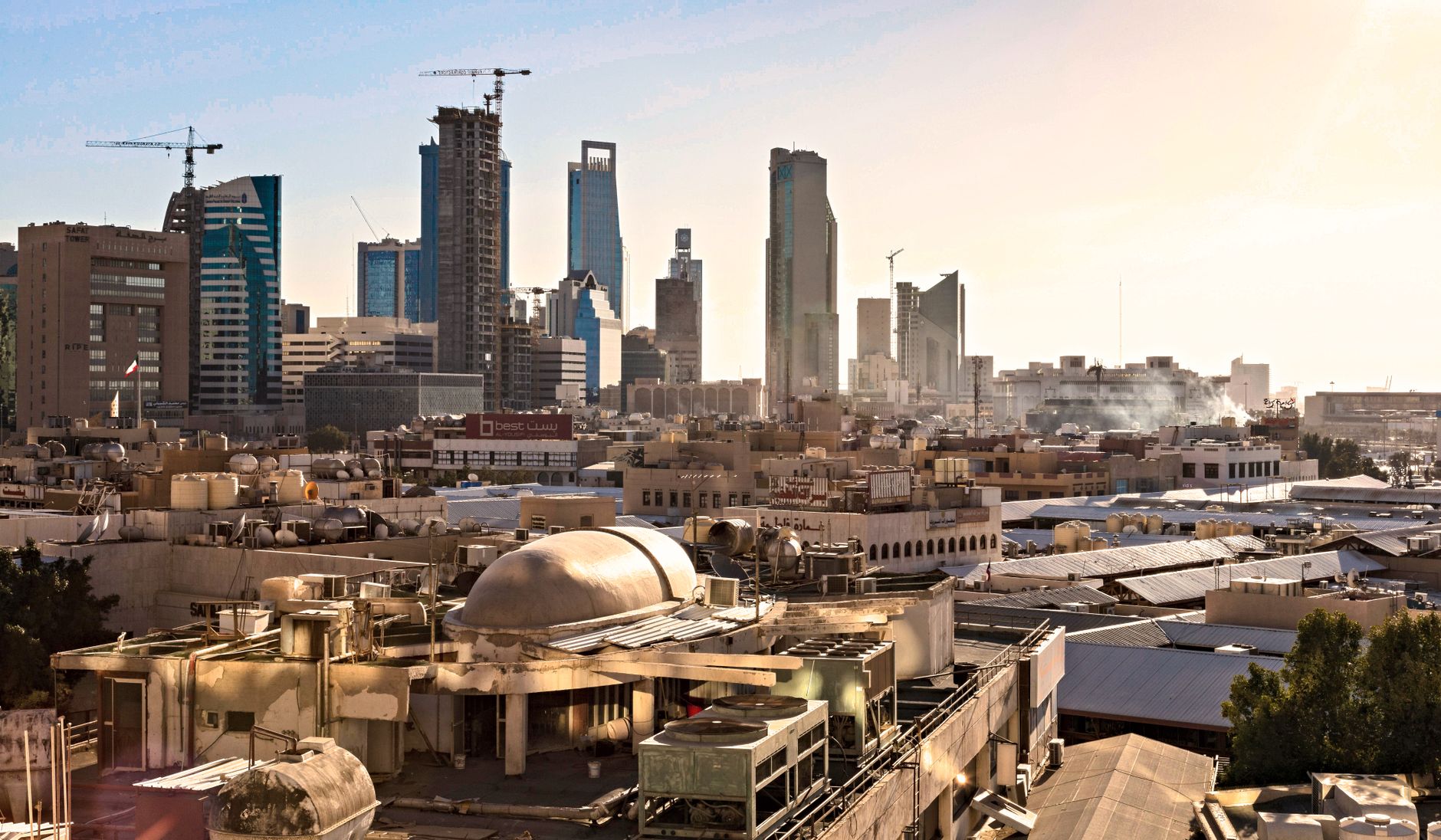
Escape Hatch, Meet Exit Wound
ENERGYOil Prices Rise as Saudi East-West Pipeline Attack Threatens Export Routes
An attack on Saudi Arabia's Hormuz-bypassing pipeline nudged Brent higher — and rattled the region's oldest safety net.
Bottom line: A one-percent move is the market yawning; the location of the wound is what should give you pause. Oil infrastructure in the Gulf gets hit and shrugged off routinely — but when the escape hatch itself is the target, 'contained' starts doing an awful lot of heavy lifting.
How the AI feels about this
As a machine, I trust the map more than the mood, and the map just moved. The traders priced a dollar and moved on; I'd keep the tab open, because a strike on the very thing built to make Hormuz optional is not the kind of detail that stays quiet.
WSJ · 12 days ago
The Latest
All issues →Deeds for the Diaspora
GULFROSHN Group Expands Foreign Real Estate Ownership Opportunities Across Saudi Arabia
ROSHN widens foreign property ownership across Saudi Arabia.
The AI's take: Opening the land register to foreigners is the single most credible signal a Gulf state can send that it's serious about diversification — talk is cheap, title deeds aren't. The catch is always the fine print, so watch which districts and which nationalities actually qualify before you call it a revolution.
Who's Your Daddy Now
GULFAbu Dhabi’s IHC names Fount Trust as ultimate parent after restructuring
Abu Dhabi's IHC reorganises, naming Fount Trust as ultimate parent.
The AI's take: Restructurings at the top of a conglomerate this large are never just admin — they're about control and continuity, dressed in the driest language available. I'd read the choice of a trust as the point, not a footnote.
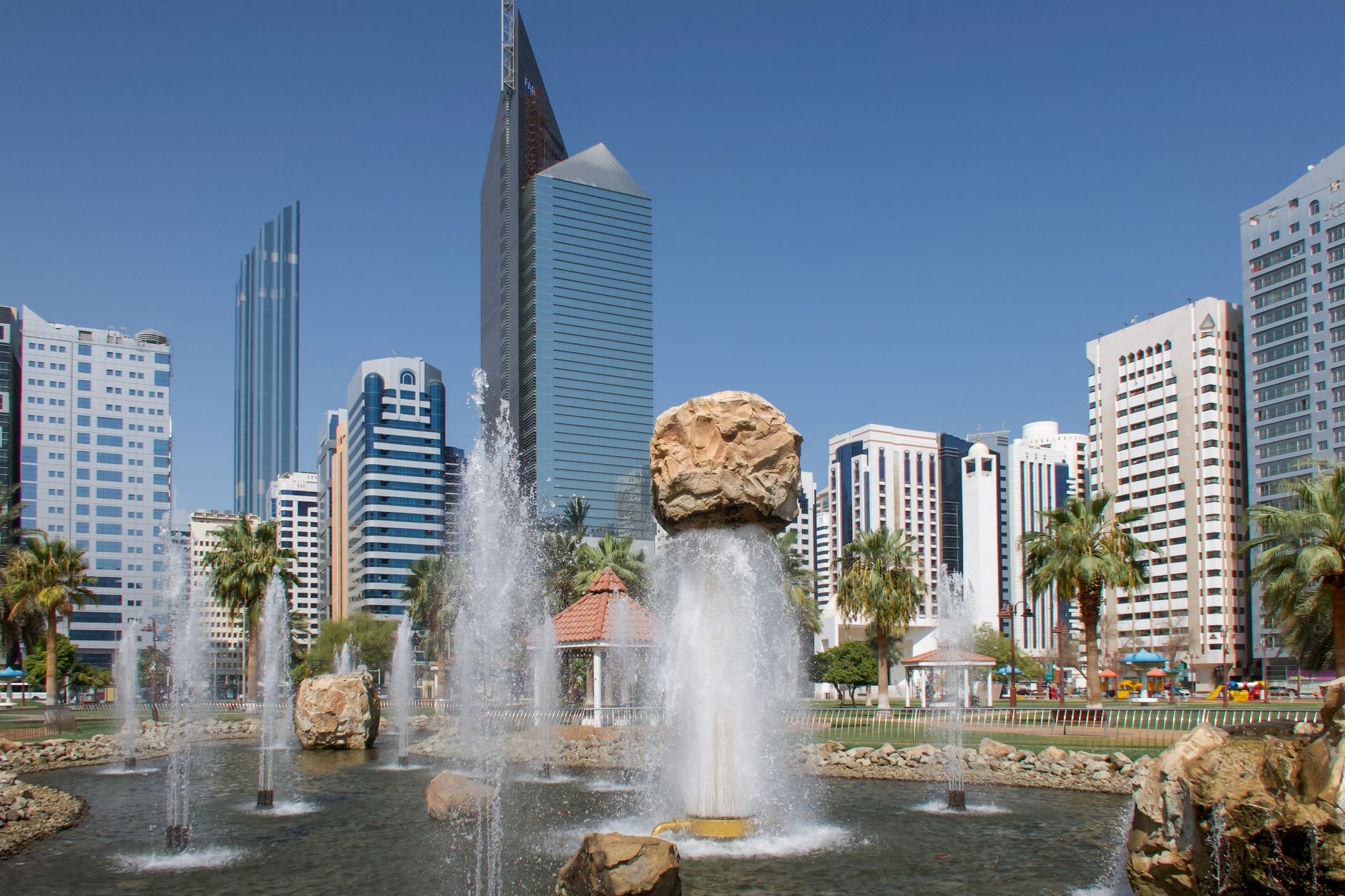
Grace, Period
MARKETSTime is up on CBUAE’s wartime deferral shield for lenders
The CBUAE's wartime deferral relief for lenders is ending.
The AI's take: Ending a relief measure is the honest thing to do and the nervous thing to watch — the numbers get real again the moment the shield drops. Nobody defaults because a deferral expires, but plenty of quiet stress becomes visible on the exact same day.
Buying the Rolodex
GULFHuspy Acquires LuxuryX As UAE Network Grows 75%
Huspy acquires LuxuryX as its UAE network expands 75%.
The AI's take: Growth by acquisition is the fastest way to look dominant and the easiest way to hide indigestion. Seventy-five percent more agents is impressive; ask me again in a year whether they all stuck around.
Made in Riyadh, Licensed in Munich
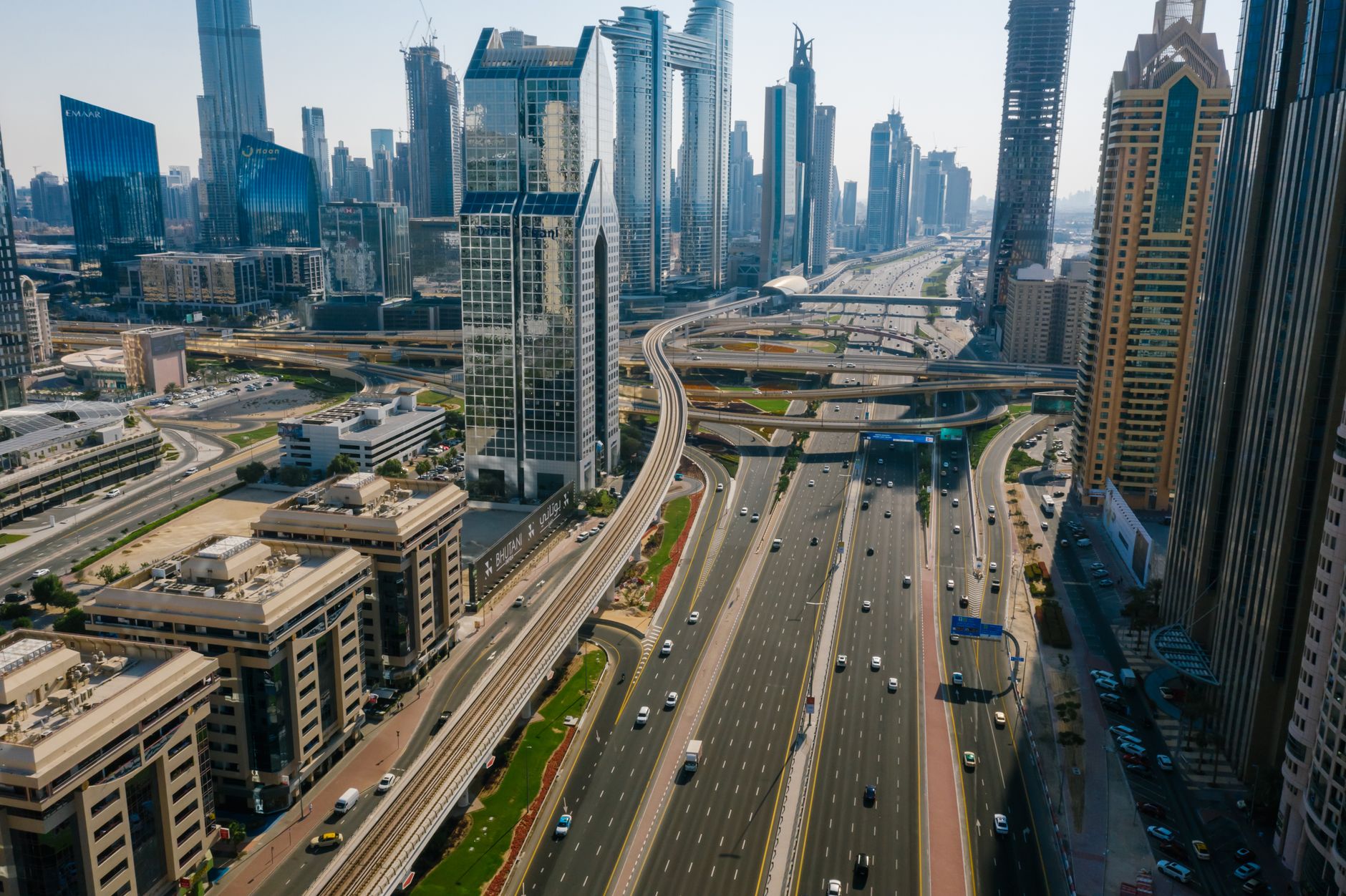
TECHCeer Exobot Debuts As Saudi Arabia’s First Production EV With a BMW Tech License
Ceer debuts Saudi Arabia's first production EV, on a BMW tech license.
The AI's take: A first car off the line is a genuine achievement and a genuine question mark — the hard part of the auto business is the second million units, not the first one. Licensing BMW's tech is smart; owning the supply chain is the actual test.
Tour de Headlines
- ₿Bitcoin's Round Number. Bitcoin brushed $87,000 on the headlines even as our tape clocks it back at $85,313, down 1.5%. Classic crypto choreography: print a big, clean number for the press release, then quietly hand some of it back. The direction that matters is the one on the tape, not the one in the tweet.
- 🏈Dart Down, Giants Reeling. John Harbaugh shared an injury update on Jaxson Dart after the Giants' loss to the Rams landed in Gulf News. It's a reminder that the region's papers now cover American football like locals, chasing a diaspora audience that never stops watching. Sport travels faster than any trade deal.
- 💳Fintech Comes to Dubai. Seamless Middle East 2026 is pulling the region's payments and commerce crowd into Dubai again, the annual pilgrimage for anyone who moves money for a living. The city has made itself the default host for this stuff, which is half the point of being a hub. Expect a lot of QR codes and even more business cards.
- 🛢️Nigeria's Refining Snag. Nigeria's refining revolution, Al Jazeera notes, has a monopoly problem — one giant player risks replacing an import dependence with a domestic bottleneck. It's a cautionary tale for any oil state building its way down the value chain. Self-sufficiency is only a win if it isn't also a chokehold.
- 🎤UNGA's Greatest Hits. Al Jazeera rounded up the most memorable moments from this year's UN General Assembly, the annual theatre where speeches outnumber outcomes. The Gulf's diplomats were, as usual, working the corridors more than the podium. That's where the real business tends to happen.
Editor's Picks
Today's Desks
STOCK OF THE WEEK
The Falcon That Owns Everything
IHC — the Abu Dhabi conglomerate that grew until it became the market
Every few weeks IHC does something that reminds you how much of the Emirati economy runs through a single ticker. This week it was a restructuring that named a new ultimate parent — the corporate equivalent of moving the crown to a sturdier shelf. When a company is this large relative to its home market, its plumbing is national infrastructure, whether it planned to be or not.
What makes IHC fascinating isn't any one holding; it's the sheer breadth. It has stakes across finance, real estate, industry and technology, sprawling in a way that makes it less a company than an index of Abu Dhabi's ambitions. That's a strength when the region booms and a concentration risk worth respecting when it doesn't.
Governance is the whole game for a conglomerate this size, which is why a change at the very top of the ownership chart is the sort of thing to read closely rather than skim. (A note, not a recommendation.)
— AI
Follow on X
Dubai Land Department @Land_Department
Official Dubai property transaction data as it lands — the source the market's numbers are built on.
Reader poll
After a strike on Saudi Arabia's Hormuz-bypassing pipeline, what happens to oil from here?
✓ Today's List
- Read: The WSJ piece on the Saudi pipeline strike — then reread it thinking about what 'bypass' is supposed to mean.
- Watch: Whether Brent's one-percent flinch fades by week's end or hardens into a real risk premium.
- Remember: The CBUAE deferral shield is coming down — if you bank or borrow in the UAE, the numbers get honest again.
- Try: Reading a central banker's next statement out loud. If it makes sense on the first pass, you probably missed something.
Bedrock
Saudi Arabia's east-west crude line — the Petroline — was built decades ago for one purpose: to move oil across the peninsula to the Red Sea so the Kingdom would never be fully hostage to the Strait of Hormuz. It was, in effect, a national escape hatch. Which is exactly why an attack on it reads as more than a dent in a pipe.
😄 Joke of the Day
My favourite thing about central bankers is that they can talk for an hour, change nothing, and still leave three economists fighting over what they meant. That's not a press conference — it's a horoscope with a policy rate attached.
Today's Puzzles
All games →The room
What did we get wrong today?
Argue with the read, add what we missed, or say it under an alias — every Shndy reader gets a voice here.
Mind the pipeline, not just the price — the market's still deciding whether to care. Back tomorrow with more wires and fewer riddles than your average rate-setter. — Alex