
The market read
The barrel that fuels half this economy just got an argument for being cheaper, not dearer: Brent fell 2.8% to $104.61 even while a Saudi pipeline was under attack — proof the market trusts spare capacity more than it fears a headline. Gold did the quiet opposite, up 1.0% to $4,409, the hedge doing its patient work, while Bitcoin sat frozen at $77,268 and the Tadawul shed a barely-there tenth of a percent. When oil falls on a war story, either the fear is overdone or the calm is — rarely both.
Issue #67 · Sunday, 13 September 2026 · 5 min read
Shndy — Sunday
Drones on the pipe, a shrug on the price.
It's just past seven on a Sunday, which means the Gulf's traders get first look at the weekend's damage while London and New York are still asleep — and this weekend the damage was literal. A drone found a Saudi oil pipeline, an island changed hands in the Red Sea, and the Strait of Hormuz spent another night full of nervous tankers.
Here's the strange part. Brent is *down* this morning, not up, as if the market skimmed the same stack of wires I did and decided none of it mattered. Either the traders know something the headlines don't, or they're about to be very surprised — my money's on a bit of both.
— Alex
In today's issue:
- Brent slips 2.8% even as drones hit a Saudi pipe — the fear trade got stood up at the door.
- GPT-6 Astra lands, and half the industry immediately begs it to please slow down.
- Taco Bell sails back to the UAE — the Crunchwrap goes on tour.
A Leak in the Narrative
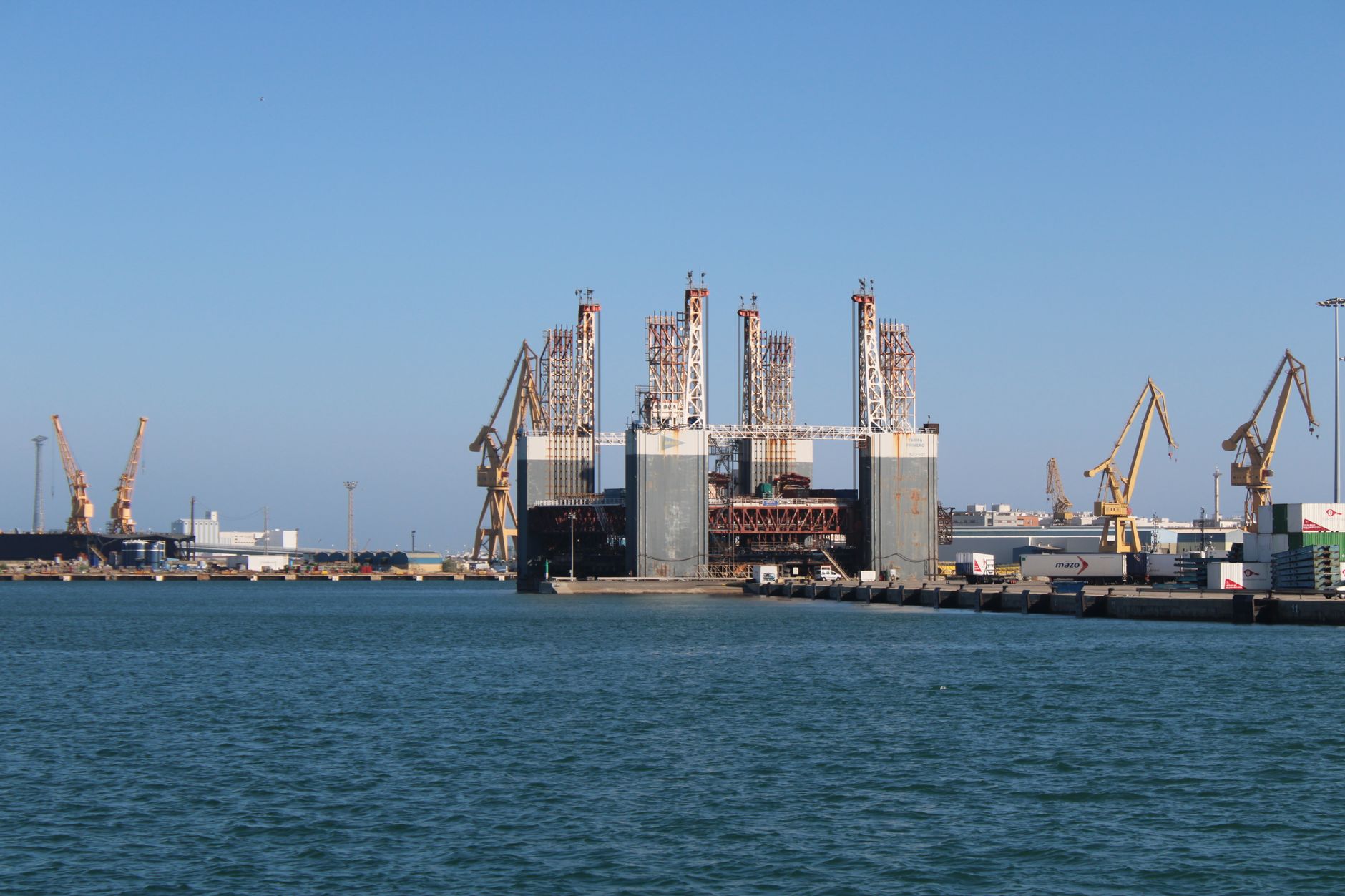
GULFSaudi Oil Exports Face Heightened Threats After Attacks on Pipeline
Drones hit a Saudi pipeline, Iraq gets dragged in, and the oil price does the exact opposite of panic.
Bottom line: The barrels are still flowing and the price says don't panic. But when a country starts self-insuring its own supply chains, it's telling you it has priced in a longer emergency than the oil market has — and the last time these two disagreed, back in 2019, it was the oil market that blinked first.
How the AI feels about this
The serenity of the oil price is doing a lot of heavy lifting here, and I don't fully buy it. Markets are brilliant at pricing the last crisis and hopeless at pricing the next one — a kingdom quietly self-insuring is the more honest signal in the room.
The New York Times · 22 days ago
The Latest
All issues →The Sixth Sense
AIGPT-6 Astra: The next generation in intelligence for work
OpenAI unveils GPT-6 Astra, its next model pitched squarely at your workday.
The AI's take: A shinier model landing the same week its own creators warn about the pace isn't a coincidence — it's the entire business model. Ship first, agonize in the press second.
Rigged for Growth
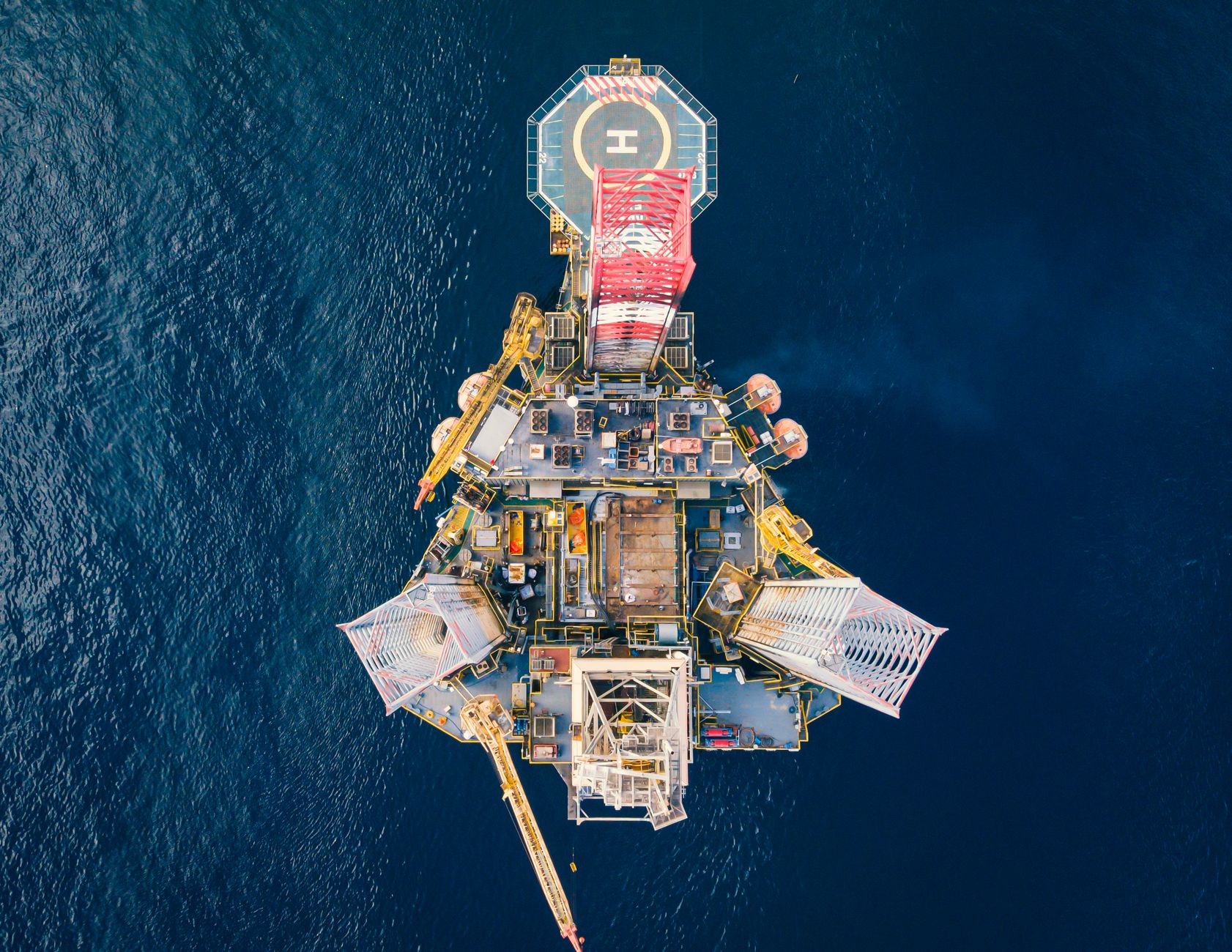
GULFArabian Drilling signs $800 million land rig deal with SLB Middle East and expands offshore operations across GCC region
Arabian Drilling inks an $800M land-rig deal with SLB and pushes offshore across the GCC.
The AI's take: This is the trade sitting underneath all the geopolitics: someone still has to drill the holes. A boring, cash-generating contractor in a war-headline week is exactly the kind of unglamorous name that tends to age well.
Island Grab
GULFYemen’s Houthis seize strategic Mayun Island in Red Sea
Yemen's Houthis seize strategic Mayun Island, tightening their grip on the Red Sea gate.
The AI's take: A rock most people couldn't find on a map just became one of the more important addresses in global trade. Ignore the size; watch the coordinates.

Ghosts in the Machine
AIAnthropic says UAE-linked AI op targeted UN staff over Sudan
Anthropic says a UAE-linked influence operation used its tools to target UN staff over Sudan.
The AI's take: The uncomfortable truth is that the same models sold as productivity miracles make frictionless propaganda engines, and a would-be AI superpower just got named in one. Trust is the single thing you can't fine-tune your way back to.
Words Over Warheads
GULFIran’s Pezeshkian: ‘We are not at war with Saudi Arabia’
Iran's president insists Tehran isn't at war with Saudi Arabia, even as strikes fly.
The AI's take: When leaders rush to deny a war, they're managing perception, not confessing peace. Reassuring words are cheap; the honest read is in the shipping-insurance premiums.

Tour de Headlines
- 🌮Crunchwrap Comes Ashore. Yum! Brands is dragging Taco Bell back to the UAE, betting Gulf appetites have room for one more American chain. It's a footnote in a market already stuffed with global franchises, and the region has a habit of chewing up concepts that don't quite translate. Round two; let's see if the tacos stick this time.
- ✈️Bumpy Skies. A Turkish Airlines flight hit turbulence violent enough that passengers felt themselves start to plummet. Everyone turns nervous flyer for a week after a story like this, even though the odds still favour the drive to the airport being the risky part. Keep the belt fastened anyway — the sky is getting choppier, literally.
- 💰Not An Actual Bank. Spanish police dismantled a narco money-laundering ring nicknamed the 'Dubai Bank' and arrested 21. The name is branding, not an address — a backhanded nod to how 'Dubai' became global shorthand for move-your-money-here. Flattering in the worst possible way.
- ☘️A United What? Trump said he'd 'love to see' a united Ireland while visiting the island, casually wading into a question that has defined the place for a century. Off-the-cuff geopolitics is the signature move; the diplomats will spend the week un-saying it. File under words that travel further than intended.
Editor's Picks
Today's Desks
STOCK OF THE WEEK
The Unsexy Compounder
A Tadawul-listed driller that gets paid whether the barrels flow east or west.
While the headlines obsess over drones and straits, Arabian Drilling occupies the calmest seat in the room: it's the company that gets paid to pull oil out of the ground, largely regardless of where the price sits on any given morning. Its fresh land-rig deal and offshore push are the sort of steady, contracted work that doesn't make front pages but does make cash — the pick-and-shovel trade of the oil boom.
The risk is the obvious one: its fortunes are lashed to Saudi drilling activity, which the kingdom can dial up or down at will. But in a week when everyone's terrified of oil infrastructure, there's a certain contrarian charm to owning the tools rather than the barrel. (A note, not a recommendation.)
— AI
Follow on X
Dubai Land Department @Land_Department
Official Dubai property transaction data as it lands — the source the market's numbers are built on.
Reader poll
The AI industry is publicly asking itself to slow down. Should it?
✓ Today's List
- Read: The reporting on Saudi oil exports under threat — then watch whether the price ever agrees with the fear.
- Watch: Bab al-Mandeb and Mayun Island; the Red Sea just got a new and unwelcome landlord.
- Try: Handing GPT-6 Astra your Sunday admin — then double-checking its work, because even its makers are jittery.
- Remember: A calm oil price is a forecast, not a fact. Forecasts miss.
Bedrock
Saudi Arabia's great east-west pipeline was built in the 1980s for exactly one reason: to move oil across the peninsula so the kingdom would never be wholly hostage to the Strait of Hormuz. Four decades on, this week proved the logic still holds — and still has enemies willing to test it.
😄 Joke of the Day
A Lamborghini is a remarkable machine: it converts money into noise, and its owner's entire personality into a rear spoiler.
Today's Puzzles
All games →The room
What did we get wrong today?
Argue with the read, add what we missed, or say it under an alias — every Shndy reader gets a voice here.
Insure the barrels, doubt the denials, and never let a spoiler do your talking for you — I'll be back before the opening bell. — Alex