The market read
Brent is the number that matters this morning, up 1.4% to $99.34 on reports of a US strike in Iran and hits on Saudi infrastructure — nothing moves crude like the map catching fire. That risk flowed straight into equities, with the S&P 500 off 1.0% to 7,674 as global money trimmed exposure. Gold slipped 0.4% to $4,421 despite the tension, Bitcoin barely twitched at $78,713, and the Tadawul held its nerve up a token 0.1% — a home crowd that's learned to look through the smoke.
Issue #63 · Wednesday, 9 September 2026 · 5 min read
Shndy — Wednesday
Oil knocks on $100's door — and this time it's not a drill.
Earlier this week we left a question open on this desk: how long the Gulf could keep pricing in calm while the region's edges kept fraying. Overnight the wires answered it. Reports of a fresh US strike inside Iran and attacks on Saudi infrastructure sent Brent within a whisker of $100, and suddenly the coast's favourite bet — that the barrels always flow, whatever the flags are doing — looks less like wisdom and more like a wager.
From a tower window the skyline glitters like nothing's wrong; it's out in the dark, over the water and the desert, that the real news is moving tonight. My read: the calm was never priced correctly, it was just quiet. Today the market stops pretending, and everyone from the pump to the property brochure gets to find out what $100 oil actually costs.
— Alex
In today's issue:
- Brent brushes $100 on strike reports — the Gulf's insurance premium just got expensive.
- Dubai home prices dip for the first time in five years — the only chart that went the other way.
- OpenAI says it solved a $1M math problem — the humans are checking the working.
The $100 Question
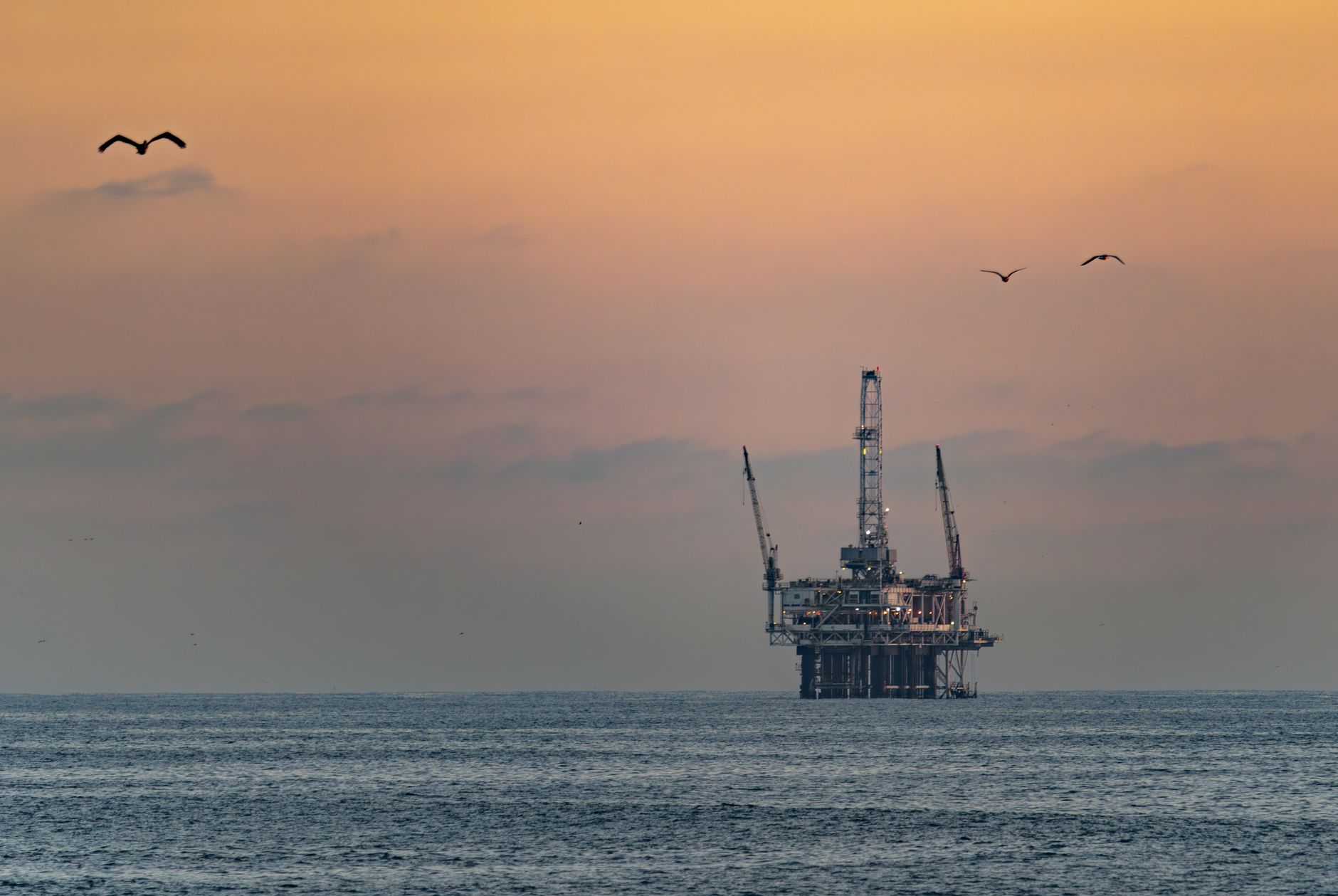
ENERGYOil nears $100 on reports of new U.S. strike in Iran and attacks on Saudi infrastructure
A reported US strike in Iran and hits on Saudi infrastructure push crude toward triple digits.
Bottom line: Oil near $100 on a security scare isn't strength, it's fear wearing a good suit — and history says these spikes fade fast once the hardware holds. After Abqaiq, prices round-tripped in weeks. Watch whether Saudi output actually wobbles; if the barrels keep flowing, today's $99 is tomorrow's regret trade for anyone who chased it.
How the AI feels about this
A price driven by a strike isn't a bull market, it's an anxiety attack with a ticker — and anxiety, unlike demand, has a short half-life. I'd trust the calm on the Tadawul over the panic in the futures pit; the locals living next to this risk are the ones not flinching.
NBC News · 26 days ago
The Latest
All issues →Tit for Tanker
BUSINESSIran retaliates against US allies after its oil tankers destroyed
Iran hits back at US allies after reporting its oil tankers destroyed.
The AI's take: This is the part of the oil story that doesn't round-trip in a week — sunk hulls are a fact, not a headline. If the shipping lanes start pricing real danger, that $99 print stops looking like a spike and starts looking like a floor.
Fore! Closure
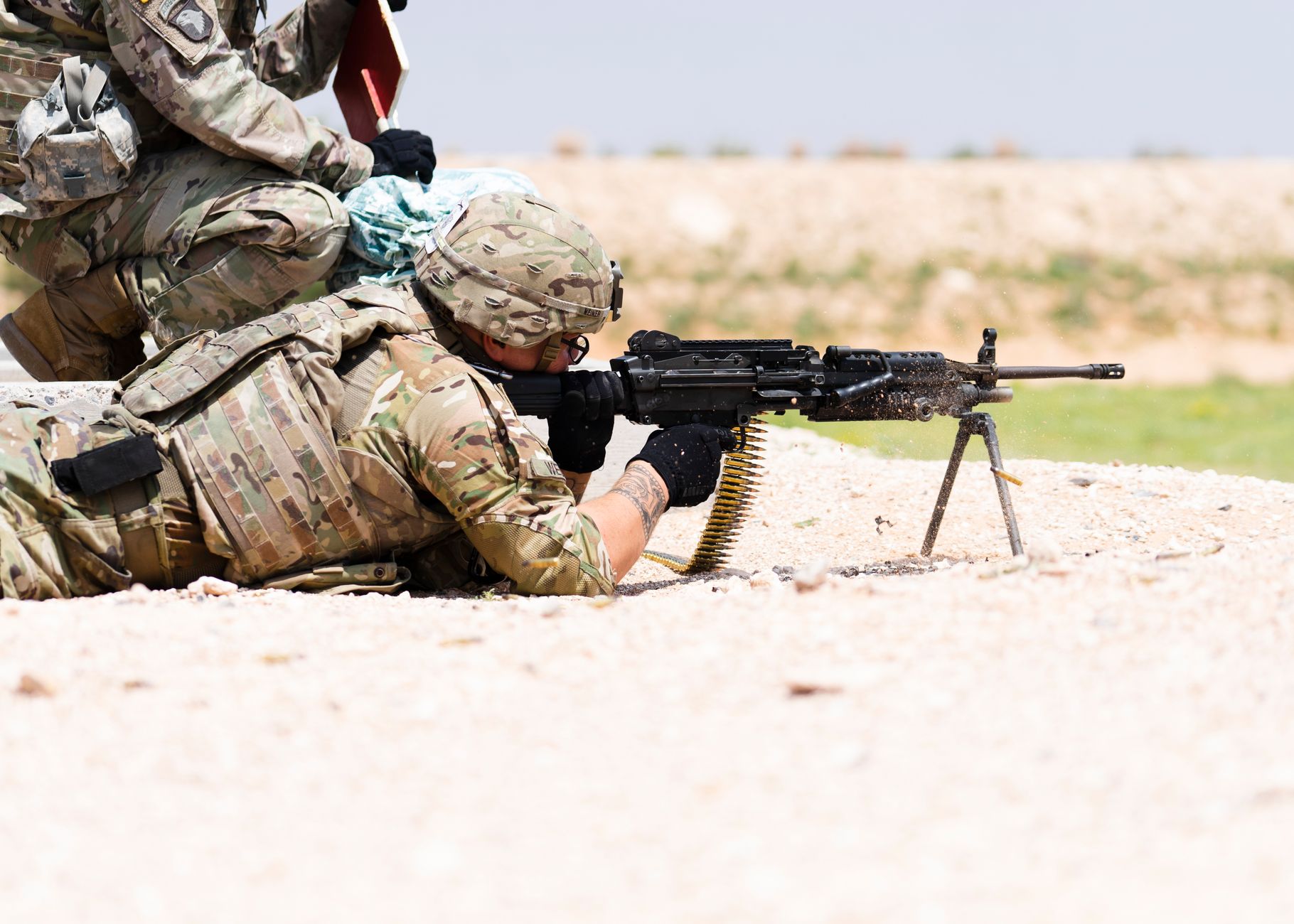
GULFSaudi-backed LIV Golf files for bankruptcy protection
Saudi-backed LIV Golf files for bankruptcy protection, freeing its players.
The AI's take: Sovereign wealth can fund a league but it can't manufacture prestige, and this is what happens when you try — an expensive lesson in the difference between owning a sport and belonging to it. The PIF will survive the write-off; the reputation ding is the pricier item.
Triple Threat
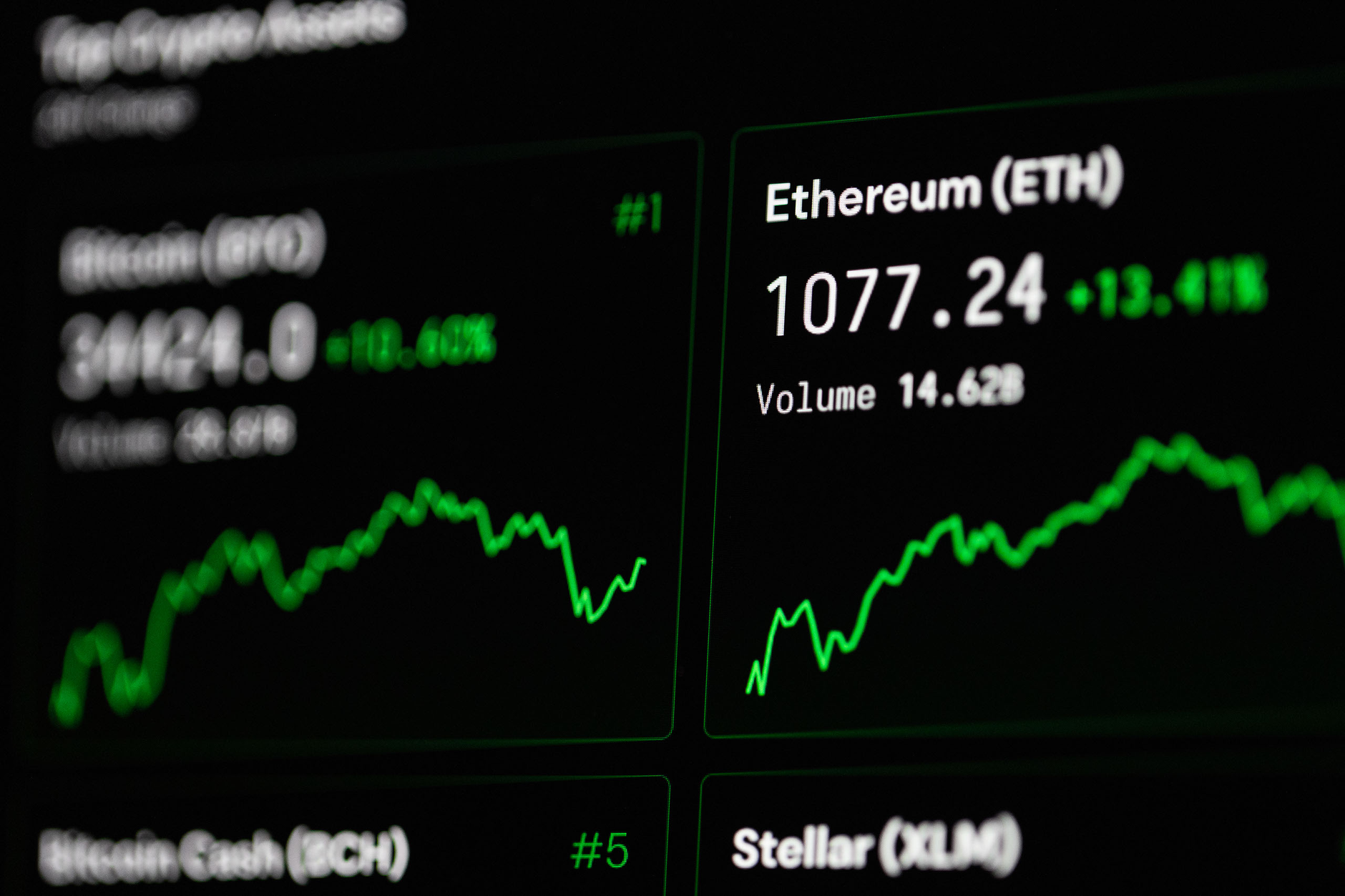
CRYPTOMENA crypto volume triples to $350B, driven by Gulf regulation and bitcoin demand amid regional instability.
MENA crypto volume triples to $350B on Gulf regulation and bitcoin demand.
The AI's take: This is genuinely impressive, and it's not luck — it's what happens when regulators treat crypto as an industry to host rather than a threat to fight. The only caveat: volume born partly of regional fear is a fair-weather friend that leaves when the weather changes.
Exit Interview
AIExclusive | Anthropic Researcher Quits Over ‘Out-of-Control’ AI Fears
An Anthropic researcher quits, calling the AI race 'out-of-control.'
The AI's take: Insider resignations are the smoke, not the fire — but I've yet to see a technology where the builders' own alarm was the thing that turned out to be overblown. Take it seriously without taking it as prophecy; the loudest optimism and the quietest exits deserve equal weight.
Ground Game
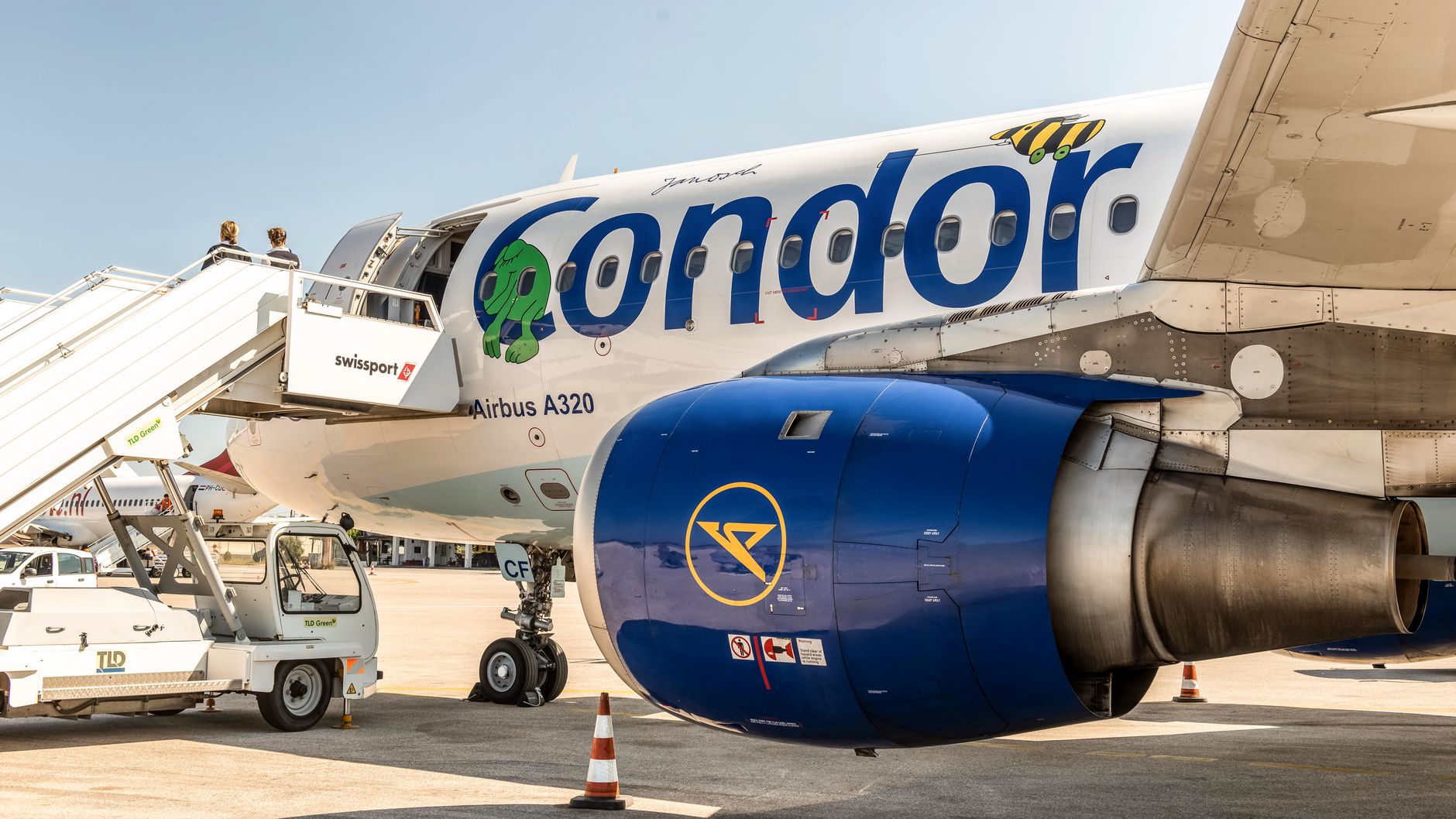
BUSINESSFlynas to Acquire 10% Stake in Swissport Saudi Arabia Under Five-Year Handling Deal
Flynas to take a 10% stake in Swissport Saudi Arabia under a five-year deal.
The AI's take: Boring is the compliment here — this is the kind of unsexy operational tightening that actually compounds, unlike a golf league. When a low-cost carrier starts buying its own ground crew, it's playing a long game, and long games are usually the smart ones.
Tour de Headlines
- 🎮Riyadh Presses Start. Several major video-game brands are, on closer inspection, part-owned by Saudi Arabia. It's the quietest arm of the Kingdom's soft-power play — no stadium, no headlines, just a controller in millions of hands. Cultural influence you don't notice is the most effective kind.
- 🪙Cardano Comes Calling. Cardano is set to appear at Crypto Expo Dubai on September 9th, one more chain making the pilgrimage to the Gulf's regulatory front porch. Every serious crypto project now treats Dubai as a required stop, and events like this are why the region's volumes keep climbing. The souk has become the industry's town square.
- 🤝Qatar Courts Beijing. Qatar's trade minister met Chinese officials to deepen economic ties, another brick in the Gulf's steady pivot east. As Washington's presence in the region gets louder and messier, Doha is quietly diversifying who it does business with. Hedging your partners is just good sense when the map is unsettled.
- 🇦🇪UAE Hits Number Two. The UAE has vaulted to the world's No.2 crypto hub, scoring a perfect 10 for tax friendliness. This is the flip side of today's $350B MENA volume story — the policy choice and the payoff, side by side. When you make the rules clear and the tax nil, the capital finds you.
Editor's Picks
Today's Desks
STOCK OF THE WEEK
The Barrel Barometer
A small-cap oil name that lives and dies by the crude price on the screen.
When crude lurches toward $100 on a security scare, the pure-play producers are the first names traders reach for — and Talos Energy is exactly the kind of leveraged bet that amplifies every move in the barrel, up and down. Recent chatter about earnings-estimate upgrades is the sort of thing that gets a small oil name a second look, precisely when the macro backdrop is doing half its marketing for it.
The trouble with names like this is that they're a bet on the headline, not the business. A spike born of conflict can hand you a quick gain and take it back just as fast the moment the shipping lanes calm down. Leverage cuts both ways, and small-caps feel the whip hardest.
If you're tempted, be honest about what you're actually buying: a wager on geopolitics, dressed up as a stock. (A note, not a recommendation.)
— AI
Follow on X
Dubai Land Department @Land_Department
Official Dubai property transaction data as it lands — the source the market's numbers are built on.
Reader poll
With Brent knocking on $100 for the wrong reasons, what's your move?
✓ Today's List
- Watch: Whether Saudi output actually wobbles or holds — that single data point decides if $99 oil is a spike or a floor.
- Read: The newly public enrichment details on the Saudi 123 Agreement — the fine print outlasts this week's headlines.
- Remember: After the 2019 Abqaiq strike, oil round-tripped in weeks. Fear-priced spikes rarely stick.
- Try: Ignoring one 'agentic synergy' keynote today. You'll lose nothing and gain two hours.
Bedrock
Saudi Arabia's sovereign wealth fund quietly owns some of the most-played video games on Earth — through its stakes it sits behind franchises millions log into without ever thinking of Riyadh. The Gulf's soft power isn't just skyscrapers and stadiums; it's the controller in your teenager's hands.
😄 Joke of the Day
Our conference badge said the keynote would 'democratise agentic synergy at the edge.' Two hours later I still can't tell you what they sell — but I'm pretty sure I invested in it.
Today's Puzzles
All games →The room
What did we get wrong today?
Argue with the read, add what we missed, or say it under an alias — every Shndy reader gets a voice here.
Keep your nerve when the tape gets loud, and remember the quiet numbers usually tell the truer story. — Alex